

The Complete 2026 Guide to Booking Live Party Bands for Hire
For most events, there’s no better investment than to book a live party band. A playlist can’t do what a live band does: command the energy, add extreme amounts of emotion into a room and see to it that guests stay on the dance floor. What we set out to do in the pages below is give a full accounting of everything from contract red flags and technical riders to the cost of customizing a song.
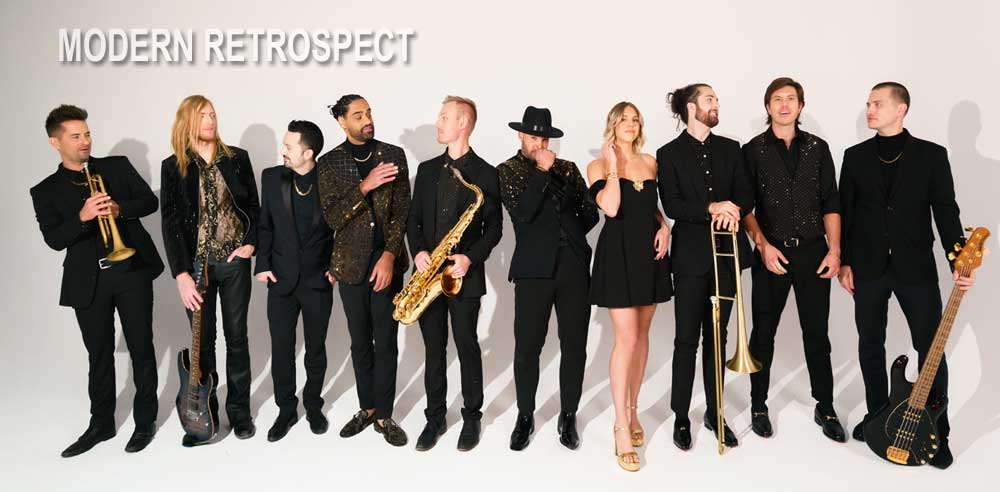
Modern Retrospect: High Energy Live Party Band for Hire
You’ll find some of the finest live bands around through Green Light Bands – from Modern Retrospect to Red Hot Revolution. We have the experience of guiding thousands of corporate teams, wedding couples and event planners through the process. What follows is the kind of advice that has been proven to work time and again. However, you’ll find most guides make the error of regarding live music as something of a luxury add-on. In reality it’s a means of crowd control.
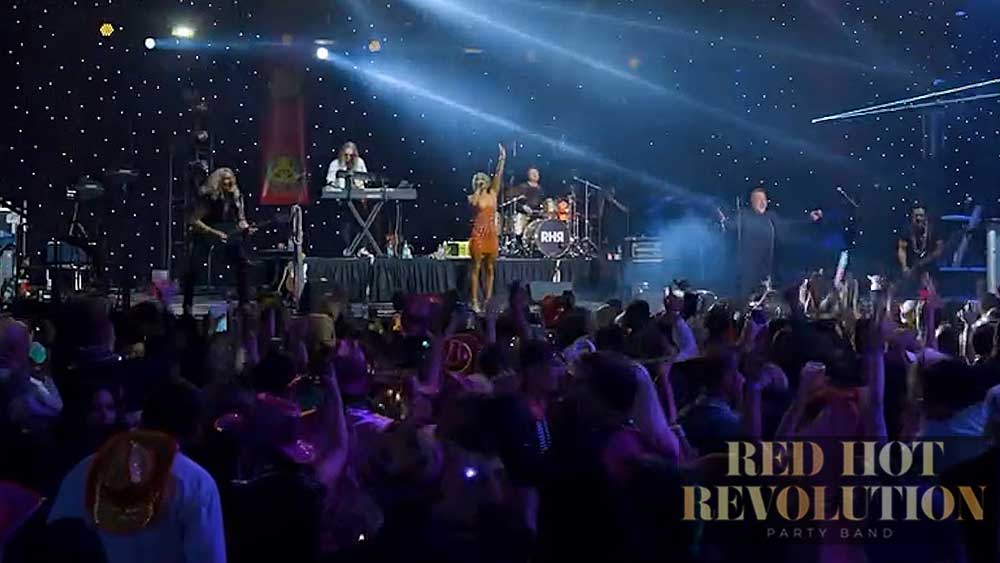
Red Hot Revolution for Upscale Parties and Events
In Place of a DJ: The Case for Live Music
It’s common for an event planner to make a side by side fee comparison of a DJ and a live band and decide the latter is just a pricier version of the former. They’re not. There’s a fundamental difference in the experience a cover band and a DJ provide, and it shows when it matters most, during the event.
Musicians will solo, vocalists put on a show, the whole band will engage with your guests. That sort of unpredictability is far beyond what a DJ can do. You have audience-interaction and engagement, choreography, the visual of a full band performing on stage; all of which makes for compelling photos and video. And in terms of cost-benefit, if you want a dance floor full of people, a performance from Metro Music Club or a similar party band is worth every dollar for the guest experience. At a wedding, for instance, live entertainment is invariably what makes the event something to remember, not the flowers, catering, or decor.
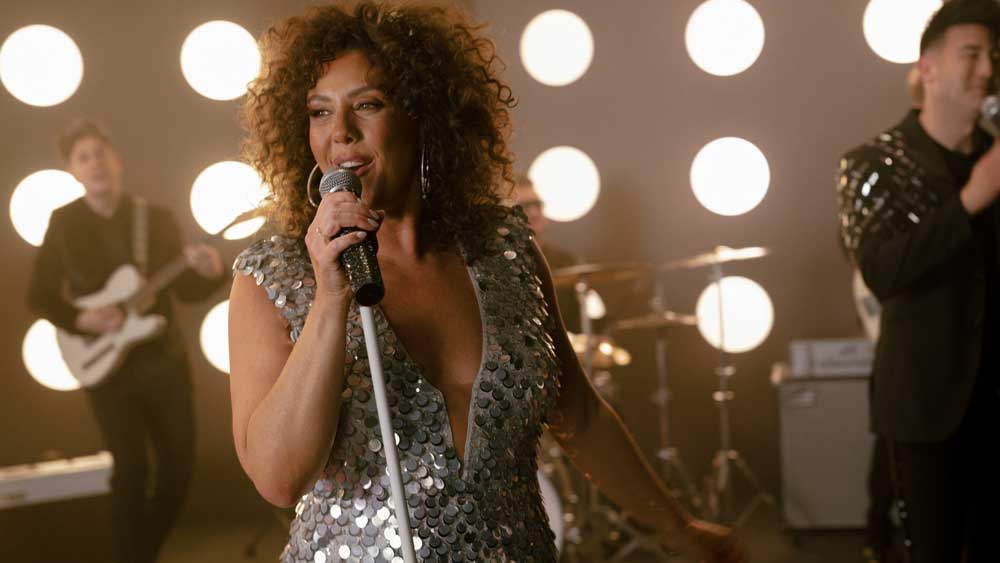
Metro Music Club: In-Demand Dance and Party Band Featuring Incredible Vocalist Jocelyn
There are Times a DJ is More Sensible
If the venue has poor acoustics, or the budget simply will not take the hit of hiring a band, a DJ is the way to go. Ditto for an event where you need to run through hundreds of songs without missing a beat. For cocktail hours and after-parties, or some form of corporate networking where conversation is king and dancing is not, a DJ format works fine.
Our recommendation for an extra long event is to hire both. Have a DJ for the wind-down late at night and the cocktail hour, and a live band for the three or four peak hours of dancing. You get the wow factor of live music while keeping costs somewhat in check.
Budgeting: Live Party Bands for Hire in 2026
What the average party band will cost in 2026 covers a wide range, and depends on the market (location), the type of event, and the experience and popularity of the band. Expect to pay several thousand for a small, three-piece private party band for two or three hours. A full function band of ten or so in a big city with top notch sound production and a deep catalog will be a good deal more.
Price is subject to a number of variables. Travel is one; bands that are not local will charge extra for travel, hotel, per diem, and ground transportation, as well as other possible expenses. Standard packages are for two to four hours, anything extra is incremental.
Some of the other things that will move the price:
- The caliber of the band. You’ll pay more for a top quality, experienced, in-demand band than a weekend cover band.
- Who provides the equipment. Some require the venue to supply the audio system, others have production grade gear of their own.
- How much you want to customize. To learn an original song or put together a customized setlist incurs rehearsal costs.
- Exclusivity. Major holidays, New Year’s Eve and the height of the wedding season are priced at a premium.
Planners would do well to ask for itemized quotes so they’re not surprised by the separation of the performance fee from travel and production.
Choosing the Right Format for the Occasion
The right band is not the same for a black-tie gala and a birthday in the back yard. Making that mistake can be costly.
Wedding Receptions
By far the most popular request for live entertainment is a wedding band. A good one knows how to handle the different moods of a reception, from the open dancing to the first dances and dinner. They’ll have the background jazz for the meal and switch to Top 40 once the dance floor is open.
Song lists and an instinct for the room are how to tell the greats from the not-so-greats. A band that can go from a Frank Sinatra classic to Bruno Mars and not miss a step can hold the attention of all ages. The exclusive bands on the Green Light Bands roster are made for such dynamics, with setlists that are as versatile as they are broad.
Private Parties, Bar Mitzvahs and Corporate Functions
With a corporate event the energy is calibrated differently. It’s about an atmosphere that fits the company’s brand, not having everyone on their feet at 11 PM. There’s no better fit for an award dinner or product launch than a jazz band or a refined cover ensemble. And when it comes to holiday parties, a Top 40 band with a lot of energy will add as much electricity to the room as you’d find at a wedding reception.
Live party bands for hire with wide pop and dance song lists are what you want for a bar mitzvah or quinceañera, preferably bands that can handle the odd culturally specific song. With a private party, it’s best to have an idea of the kind of energy you want for the event before selecting a band to suit it.
Music Genres, Band Size, and Choosing the Right Ensemble
Three things come into play if you plan on making the right choice of party band: the size of the venue, who your guests are and the emotional tone you’re looking for. Two vocalists and a rhythm section in a jazz band will be good for an intimate party, but hire a seven- to nine- piece function band complete with horns and they’ll have the ballroom and its large dance floor packed all night long.
Event planners tend to under appreciate the importance of a band’s style. You’ll get a more authentic, tighter show from a classic rock and pop specialist such as SHUFFLE than a cover band of general ability trying to do the same material. Green Light Bands has a roster of specialists in bluegrass, country, pop, Motown, Top 40, jazz and classic rock so no matter you’re looking for, we’ve got it.
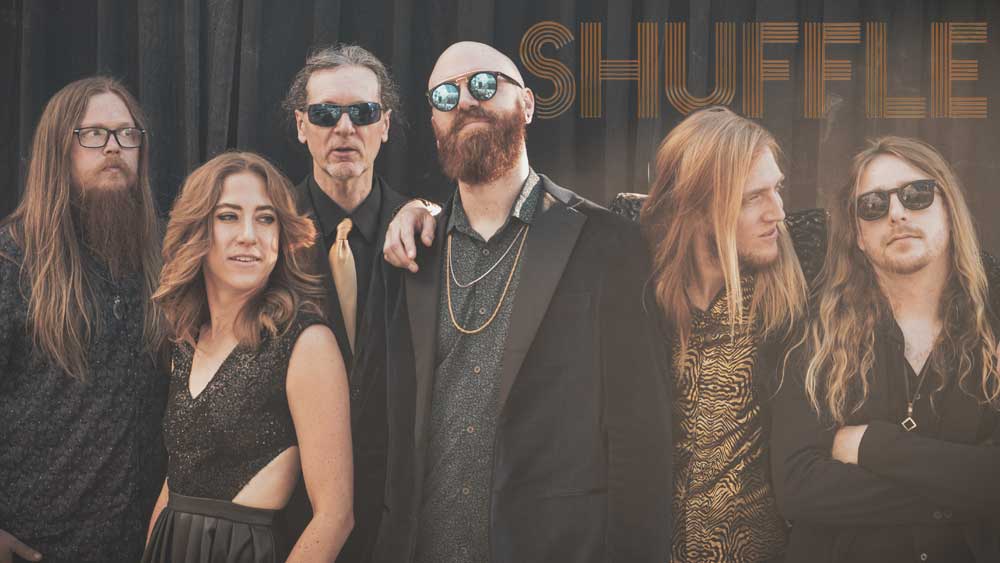
SHUFFLE Party Band for Weddings, Corporate Galas, and Private Events
Then there’s the matter of mixed age crowds. The best way to go if your event includes guests in a great age range is with a band whose repertoire covers several decades and genres. Rhinestone Rodeo is always in demand for their mix of country and pop dance hits; their 70s and 80s classics will have the older guests on the floor while the younger ones will get excited with the current Top 40. You’ll see higher satisfaction scores at events with live party music of any genre over those that are content with recorded music.

Rhinestone Rodeo Dance Band Delivering Country and Pop Hits
Party Band Performance Duration and Set Structures
As a rule, a party band will perform 45-60 minute sets separated by 15 to 20 minute breaks. A two-hour package is two 50-minute sets, whereas three or four hour packages run to three sets or perhaps two longer ones with an intermission of sorts.
How to Put Together Sets for the Dance Floor
Don’t front-load the energy, it’s the cardinal sin of set structuring. If a band leads off with its most rousing songs they have nothing left to offer and the floor will be bare before the night is over. What works best is to build energy as the night goes on.
Take a wedding or private party and a time-tested set structure is:
- First 10 minutes: Some mid-level crowd pleasers to start movement
- Minutes 10-25: A build up with some well known hits
- The peak (25-50): : Anthems and the highest energy Top 40
- Opener for set two: A favorite to tell the dance floor it’s time to get back to it
Each set is done this way. Pacing is something Liquid Blue and Party Echelon have down pat, which is why their guests can’t stop dancing. Below is a typical band review, the type we hear every day from a client who booked a band from Green Light Bands:
“No one had ever seen a dance floor so consistently, so densely, so joyfully packed from first note to the last.” – Carrie Mapes, Wedding Client, Alisal Ranch, Solvang, CA
Song Selection, Setlist Customization, and Repertoire
You can tell the difference between a good booking and a great one in the song selection. While a party band may have 80 to 150 songs in its core setlist, the relevant question is how many of those can be put on at a professional level.
Over-customizing is a mistake. Have your five or so must-plays and no more than 3 or 4 must-avoids and allow the band to see what’s working in the room for the remainder. For an event with varied ages, ask for a decade by decade breakdown of the repertoire. A band with a good spread from the 60s or 70s to today is versatile; one with a preponderance of songs from a single era is a specialist. For varied age ranges you want versatile.
Technical Rider and Venue Requirements You Must Confirm
A technical rider is a document that makes clear their needs in terms of logistics, power, stage and audio equipment. An event planner would do well to give this document a proper once-over; too many put in a cursory review and then regret it come the day of the event.
Audio Equipment, Stage Setup and Sound Check Logistics
You’ll find all manner of logistics in the tech rider, from the electrical circuits called for to the dimensions of the stage. A three-piece horn section with a ten-piece band is not going to fit on anything less than 16 by 24 feet, whereas an acoustic trio can be accommodated in a far smaller space. Put those figures to the test with your venue’s actual measurements prior to signing any binding contract.
All matters of audio equipment should be settled at the time of booking:
- Will the band be providing a PA system or is that up to the venue? Relying on what a venue has on hand is a gamble because quality is inconsistent; you’ll find bands with their own professional audio to be more dependable.
- Make sure the fee includes a sound engineer. For an event with 100 or more guests, the audio is only as good as the live mix from a pro engineer.
- Power needs. Some of the bigger bands require 20-amp dedicated circuits, something a venue may not have on hand unless you’ve made arrangements ahead of time.
- Sound check. Factor into your schedule for venue access the 90 minutes to two hours most bands will want to set up before the guests are there.
Then there’s the matter of an outdoor event. Weather contingencies, extra speaker coverage and perhaps a generator are in order for a band playing outside. Get it in writing. The National Association of Music Merchants in its event production guidelines will tell you that not allowing enough time for a sound check is a prime reason for poor audio at a live event, so make the time and hold to it.
What to Ask Wedding and Party Bands Before Booking
There are four things to consider when questioning a live wedding band or party band: their performance record, the logistics, any custom work and contingency plans. You’ll typically see that most planners attend to the former and neglect the rest.
Performance Experience:
- In the past year how many events like this have you done?
- Any references to offer from recent comparable engagements?
- Can you point to some verified client reviews on an independent site?
Logistics:
- Tell us your timeline for setting up and breaking down.
- Are you bringing your own sound engineer and equipment?
- What do you need in the way of travel and lodging?
Customization:
- How extensive is your standard repertoire and at what level can you play it?
- If we want a particular song learned, what does that run and how is it handled?
- Is it possible to put together a list of must-plays as well as songs to be avoided?
Red Flags and Must-Have Clauses in a Live Music Contract Template
An incomplete contract is one that leaves out more than a couple of the following: performance details, terms of payment, liability and technical requirements.
Clauses that should be there:
- The venue address along with the date and times for the performance
- Payment methods, the deposit and balance, total fee and the schedule for payments
- A full accounting of what’s being provided, whether it’s travel or sound equipment
- Force majeure in the event of bad weather, a closed venue or illness
- Proof of liability insurance, certificate required
- The technical rider as an exhibit
Some red flags that should have you walking away:
- A verbal understanding and nothing more, no written contract.
- An upfront deposit in excess of 50% with no way to get it back.
- Performance terms left open to interpretation (think “some 2 hours of music”) and no set structure.
- An absence of liability insurance. If a guest comes to harm or the venue’s property is damaged by equipment, the onus could be on you.
It’s hard to put teeth into a verbal agreement for live entertainment. Put it in writing and make sure you have the technical rider and insurance in order well before the event.
A Step-by-Step Guide to Booking Live Party Bands for Hire
The following is a straightforward process to book live party bands for hire from first research to the day of the event. It’s as applicable to a bar mitzvah or corporate function as it is to a wedding reception or private party where live music is the main attraction.
Step 1: Lay down your event parameters [1-2 days]
Do not approach a band until you have a firm handle on the date, venue, budget and how many guests to expect. You will not be able to judge a quote without them.
Step 2: What kind of band do you need? [1 day]
Consider the tone of the occasion and your guests to determine if a Top 40 cover band, a jazz ensemble, a full-size dance band or something in between is called for. Have a look at Green Light Bands’ roster to find a live band that fits the bill.
Step 3: Get quotes from three to five bands [3-5 days]
To ensure an apples-to-apples comparison, give Green Light Bands the same brief for each band regarding your event date, venue, genre and performance time.
Step 4: Check the technical specifications with your venue [2-3 days]
Take the tech rider of your preferred candidates and see if the stage size, power and setup times are in line with what the venue can accommodate.
Step 5: Make the contract [1 week]
Refer to the must-have clauses listed above and see that the technical rider is on file as an exhibit. The deposit will typically be sent with your signed contract.
Step 6: Two to four weeks out, sort the logistics
A call to reconfirm parking, load-in, sound check and any setlist changes will stave off most of the surprises you might otherwise face on the day.
Step 7: Put the venue coordinator in the picture
Make sure the venue contact has gone over the technical rider. Get confirmation in writing from the venue on matters of power, stage and load-in timing.
Those who put off their search for live entertainment until six months before their wedding will find fewer options and higher prices than the couple who began nine months prior. You’ll want to book live party bands for hire such as Music City Groove and Glitterati six to twelve months ahead due to their popularity; a rush job leaves little room to negotiate or do your due diligence.
Done right, this takes about three or four weeks.
Most do not appreciate the importance of good live entertainment until they’ve been in a ballroom where the dancing never lets up. With Green Light Bands you can hire a band with professional sound production and high energy shows that fill the dance floor from start to finish across a wide array of genres from country to classic rock and Top 40. We invite you to contact us about your date and the live party bands we have available so we can put together an entertainment package your guests will be talking about for years.
Frequently Asked Questions
Hiring a live party band: what is the cost?
There’s a great deal of variance in the average price of a party band depending on the location, the size and experience of the band and how long the event runs. You may see smaller local party bands in the $5,000-$7,500 bracket. For a large professional band with all the fixings for a wedding or corporate event, figure $10,000 to $15,000 and upwards. Then there’s travel, overtime and rental costs. To be sure of the value, ask for itemized quotes from several bands.
What to ask a band before you hire?
When booking live party bands for hire, inquire about their setlist, the number and length of sets, and whether they have liability coverage. Also find out what their technical rider demands of the venue. If it’s a wedding band, you ‘ll want to know if they can play a first or parent dance song, or learn new songs for these special dances.
How much notice do I have to give?
We would advise six to twelve months for weddings and big corporate events, in the spring and fall especially. Three to six months will usually do for a private party or a corporate event with some flexibility in the calendar. But the top-tier live event bands and cover bands fill their calendars quickly, so an early booking is the best way to have your pick of the litter.
Is it my responsibility to supply the sound equipment?
That’ll all be laid out in the band’s technical rider. Some will bring their own backline, monitors and sound system, while others will expect the venue to provide certain gear. Before you sign, read the rider and get it in writing with the venue as to who is footing the bill for rentals and handling the load-in and sound check so there are no surprises on the day.
Booking a band for a party, what are the criteria?
You want to see transparent pricing and a clear contract along with good reviews. The composition of the band is relevant; a ten-piece with horns and vocalists will put on a show unlike a four-piece. Go with those who have a track record at similar types of events.