
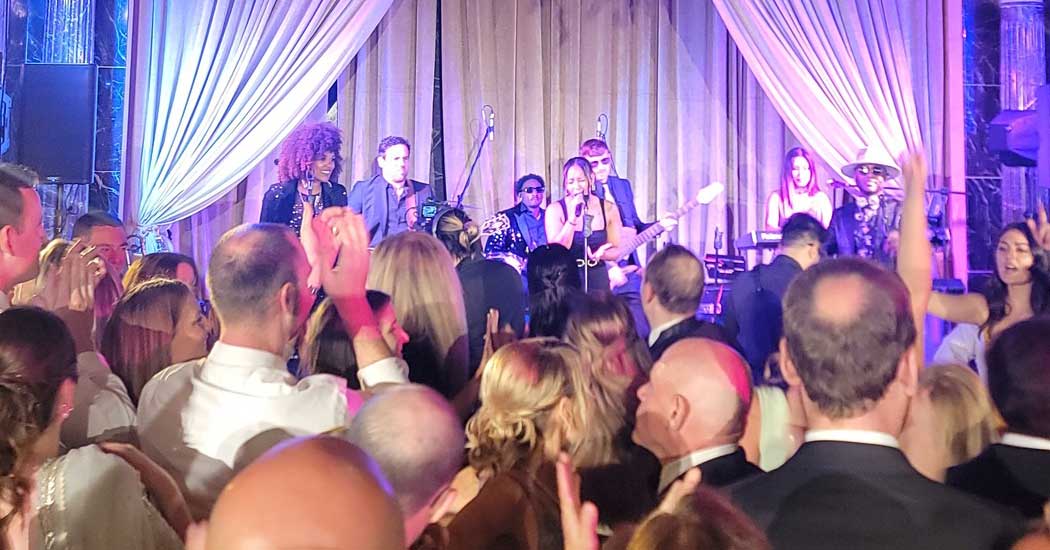
Are Live Bands for Weddings Too Loud?
Are live bands too loud for weddings? Learn how to manage volume, navigate venue restrictions, and keep guests comfortable. Discover practical solutions.
Are Live Bands Too Loud for Weddings? The Real Answer
You may have at one time heard a guest at a wedding say that live wedding bands are too loud, but are they? It usually has less to do with raw decibels levels and more with what you expect from your venue. Couples often assume that a live band can be as loud as they want, but are surprised when they read the fine print of noise restrictions and sound limiters, and turning down the volume can put an end to the reception’s energy. We at Green Light Bands have seen this happen at hundreds of wedding receptions. It’s a problem that we’re well familiar with, one that can become more complicated than you might imagine.
Can a live band be too loud for a wedding reception? Of course it can, but only if you haven’t made the proper arrangements. The bands are not the problem. It’s a disconnect between the high-volume show a wedding couple envisions and what the venue is actually permitted to allow. For many receptions, especially in noise-restricted locations, venues enforce strict decibel limits by using devices that cut the power if you exceed those limits. If you want to avoid a night of stressful negotiating and make sure your special day is an occasion worth remembering, it’s best to understand these sound dynamics before you sign the contract.
We’re going to give you the ins and outs of how to deal with volume restrictions while still allowing your wedding band to make an impact on the dance floor. From the technicalities of sound limiters to having an honest discussion with a band about your expectations, you’ll learn strategies for maintaining guest comfort as well as high energy for your event.
Modern Retrospect is a cover band has wowed crowds at high-profile events with a setlist that is as versatile as it is engaging. Whether it’s a corporate gala or a small private wedding, they know how to read the room. They mix contemporary and classic dance hits that get every generation out onto the dance floor, yet they don’t need to turn up the volume to build the energy.
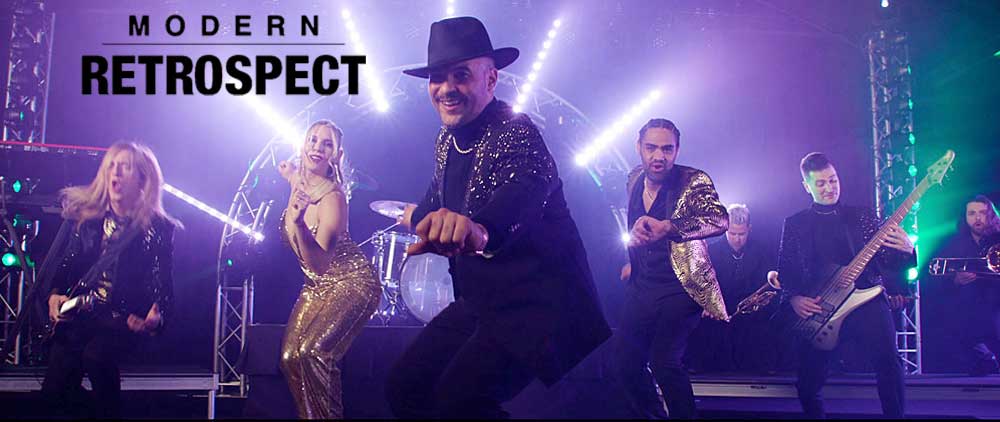
Modern Retrospect Live Cover Band
What Is a Sound Limiter?
A sound limiter is an electronic safety governor for the venue’s system. If the sound pressure goes past a certain level, the limiter will compress the signal and lower the volume immediately. If the band keeps the sound levels too high, some limiters will actually shut the audio off altogether. Venues put them in place for a reason – to stay legal and avoid complaints from their neighbors. For the venue it’s insurance; for the band it’s just another thing to plan around.
It’s important to learn how the sound limiter works at your location. Some will ease off the volume gradually, while others will turn it down in an instant. Ask your venue what the dB limit is? At what point does the sound limiter kick in? You want to know if you’re dealing with a forgiving setup or one that demands precision.
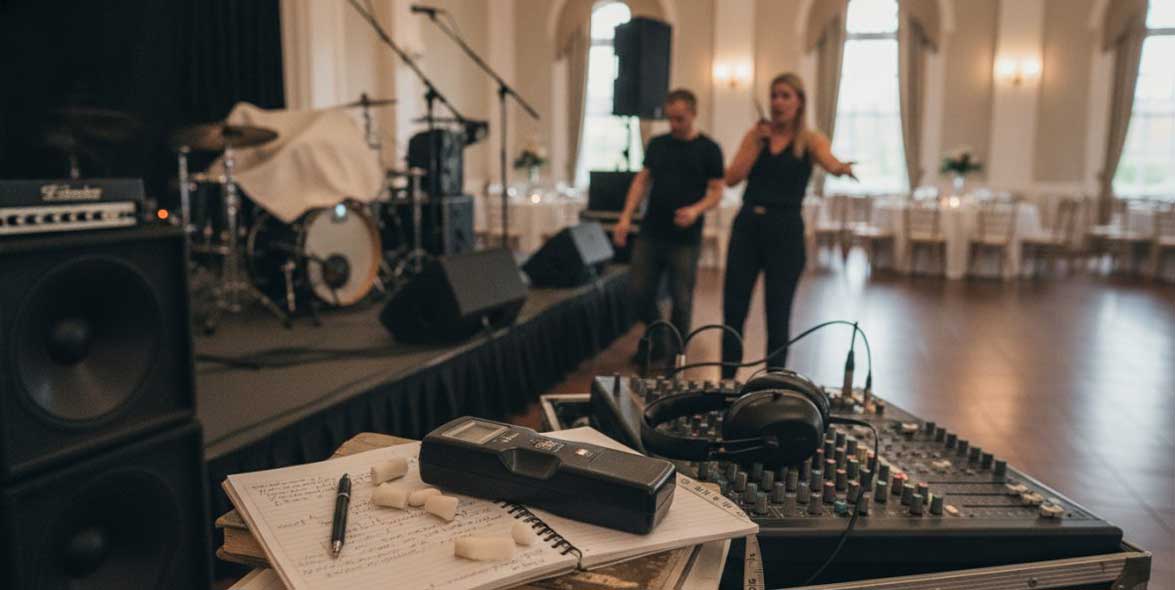
Sound engineers are setting up a wedding reception band’s equipment, getting ready for a sound check.
Tip
Request a sound check at your venue before the wedding day. This is where your band can test how the limiter responds and adjust their mixing strategy. A professional sound engineer can work within the limiter’s constraints and still deliver impact through EQ, compression, and strategic instrument balancing, not just raw volume.
Decibel Restrictions at Wedding Venues
There are no standard decibel limits. A barn in the country with no neighbors around for miles won’t have any trouble. A city rooftop, however, might allow 85 dB – the equivalent of the amount of noise you’ll hear on a city street. Most locations fall in the 85-95 dB range.
The numbers can be deceiving. There is a big difference between 85 and 95 dB and how loud they sound. At the lower level you might have an energetic performance, but the bass and drums will be lowered and vocals will require exactness. At 95 dB you have more room to give freedom to the band. The trouble happens when a couple books a rock or funk band without asking about the limits first. Those music styles are meant to be heard at 95+ dB. Asking one of these bands to keep it to 85 dB will lower both the sound and the energy in the room. Sound management needs to be discussed well in advance, before the wedding band is even booked.
Red Hot Revolution is in high demand for corporate events, private parties, fundraisers, and celebrity weddings and parties. The reason is simple: they know how to deliver a show that’s as fun and energetic as it is respectful of the venue. While some bands will just crank up the volume and hope it works, Red Hot Revolution has the skill to adapt their sound to any space without sacrificing impact. They have an uncanny way of making a controlled performance seem spontaneous.

Red Hot Revolution Celebrity Wedding and Event Band
Wedding Band Volume Control: Technical Solutions That Work
You don’t want have problems with the sound limiter, so the best approach is to work with it. A professional sound engineer has ways of getting maximum effect within specific decibel limits, and being aware of these methods makes for better dialogue with your band.
Working within decibel limits starts with EQ and frequency management. A sound engineer will make it so the band is full and lively, but not overbearing. By boosting the mids where the ear is most sensitive, and taming the bass to keep the dB meter in check, along with some compression on the dynamic peaks, the sound mix can be made to feel louder than it really is.
Then there’s discipline with the instruments. The drummer will be using brushes or a lighter touch, the bassist working on pocket and feel over raw power, and the vocalists will be using good mic technique rather than forcing things. Guitars may use more modest amplifiers. It’s just a redirection of energy, not a loss of it.
Speaker placement is also more important than you might think. They should be aimed at the dance floor, not the back wall, and the band will be nearer than usual to the audience for a more intimate experience and lower volume. Some bands prefer several smaller speakers to get even coverage throughout the room and avoid the hot spots that set off sound limiters.
For a venue with strict rules, an electronic drum kit can be transformative. The drummer can still put all the dynamics and feel of an acoustic drum set into his playing while the output remains under control. On a wedding day where you can’t afford to be tripping the limiter, it can be the difference between a good performance and a bad one.
Takeaway
Experienced live wedding reception dance bands for restricted venues aren’t the ones that compromise energy, they’re the ones with the technical skill to deliver impact through mixing intelligence, not raw decibel output. This is where professional bands separate from amateur ones.
Acoustic Wedding Bands vs. Amplified Ensembles: Volume Comparison
Couples sometimes wonder if going with an acoustic band would solve the whole issue. But that overlooks the reality of wedding entertainment.
A string quartet or an acoustic group can easily fill a room at 70-80 dB with lovely sound. They’re ideal for a cocktail hour or garden wedding ceremony. But if you’re looking for a packed dance floor, they fall short. A quartet won’t have your 18-year-old cousin and 85-year-old grandpa on the floor at the same time.
An full, amplified wedding band – rock, pop, funk, country – is in a different league at 90-105 dB. That’s where it’s at. The energy, the ability to command a room and move people, requires that kind of volume and dynamics. Trying to do a Top 40 number at 75 dB is not just quieter, it’s disappointing.
For a party that holds people’s attention for hours you need an amplified band. And if the venue is particular about noise, you want a band like Rhinestone Rodeo. They play the kind of pop and country hits that have crowds raving. They’ve developed the ability to maintain high energy in spite of moderate restrictions. They understand that in country and pop the emotional energy comes from phrasing and musicianship, not just loudness, which puts couples at ease when it comes to the sound limiter.
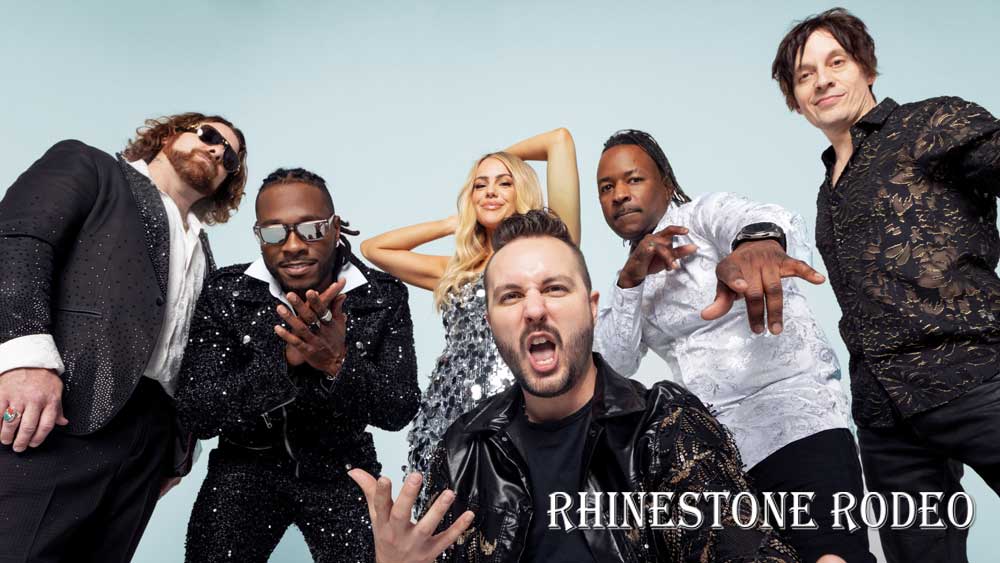
Rhinestone Rodeo Pop and Country Dance Band for Weddings and Receptions
Electronic Drums for Wedding Bands: A Game-Changer for Volume Management
Electronic drums address the problem of those unmanageable volume spikes that come with an acoustic setup.
There is no getting around it – an acoustic drum kit is loud. After all, wooden sticks striking a snare, kick, or cymbal will result in higher volume. A sound engineer can compress the drums, place the microphones properly, and run them through the PA, but some acoustic volume is inevitable. The room will naturally pick up the radiating sound of the drums whether it’s amplified or not. In a venue with strict volume limits, the acoustic drums will set off the limiter before anything else.
Electronic drums put an end to that. With a pad-based kit the acoustic output is negligible and all the volume is channeled through the PA for the engineer to control entirely. The drummer does not lose any of his musicianship, feel, or dynamics, but the venue has perfect volume management.
For a couple in a noise-restricted area, asking the band if they have electronic drums on hand may well be what determines if they get the booking. Most professional bands have both. If the venue is hard-capped at 85 dB, acoustics would be an issue, but an electronic drum setup will allow the band to put on a full-throated performance without being setting off the limiter.
How to Talk to Your Band about Volume and Sound Expectations
This is where wedding couples often make a mistake. They hire a band, make a comment about the venue’s sound limiter, and leave it at that, only to be shocked when the band is sounding stifled or the power gets cut.
Be specific. Tell your band that the venue has a 90 dB sound limiter. Then ask what kind of experience they have performing under those conditions? Any professional band will give you a straight answer. They’ve been in many restricted venues and know how to mix their sound for impact at lower levels.
Ask them about their sound check routine. You want a live wedding band that’ll spend an hour or more to get to know the system and the limiter. It’s not a luxury in a venue like yours. If they resist a proper check, take note.
Run down the set list with them. If you’re looking for high-energy Top 40 and funk, you might ask the band how they can achieve a good sound within the venue’s specific decibel limit. The response will tell you if they have the technical know-how or are simply counting on lowering the volume.
Warning
Never surprise your band with venue sound restrictions on the wedding day. A band that learns about a 85 dB limit an hour before the reception has no time to adjust their mixing strategy, swap to electronic drums, or mentally prepare for a controlled performance. This is when limiters get repeatedly triggered and the night becomes frustrating for everyone.
The Music City Groove shows are fun and energetic because they understand that energy is a matter of connecting with the crowd, not just how loud they play. They have the experience from corporate and high-profile functions to read a room and make a 90 dB limit seem like plenty.
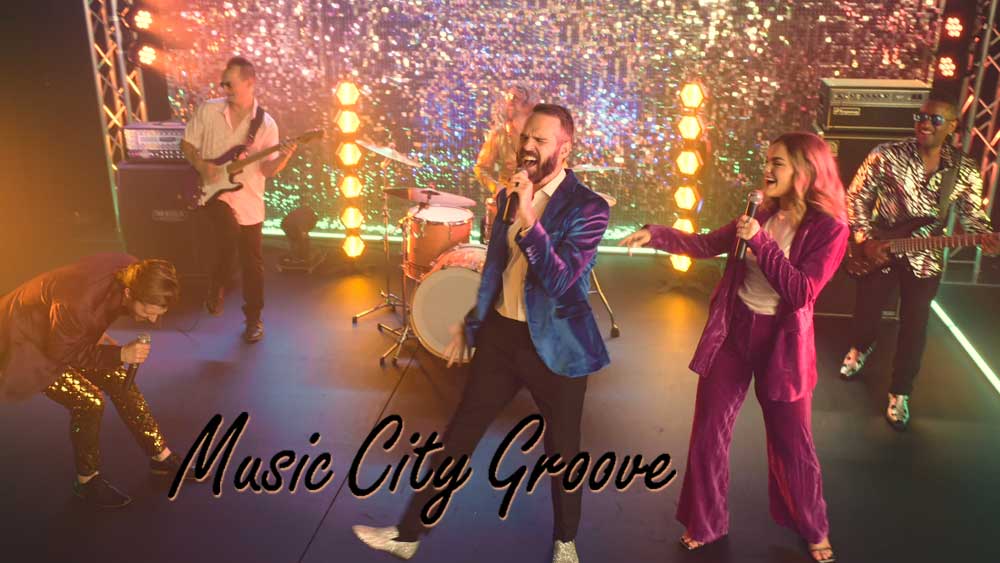
Music City Groove Energetic Party Band
Guest Comfort vs. Band Performance: Finding the Right Balance
Couples are often torn between wanting a live band to pack the dance floor and not having their guests in discomfort due to the loudness of the music. But there’s no reason these two things can’t coexist.
A band well-mixed at 90 dB will seem energetic without forcing people to raise their voices. Push it to 95 and conversation is hard. Go over 100 and you’re in dangerous territory. Guests don’t worry about the decibel numbers, they want to know if the band sounds good. And a properly mixed 90 dB band will always seem more professional than one at 95 dB that’s constantly setting off a limiter.
What really affects guest comfort is consistency. There’s nothing worse than a sound limiter cutting the power in the middle of a song and breaking the momentum. Good planning trumps raw decibel levels every time.
Venue Contract Negotiation: What to Ask About Sound Policies
Make sure your contract is clear about the sound. It’s an item that most couples overlook until it’s too late. Before you put pen to paper, ask the venue about specifics with regard to the decibel limit. Don’t settle for “reasonable volume” – get an actual figure. Also find out how that’s policed – is there a sound engineer on hand or will a venue manager be making subjective calls? Is there a limiter in place?
You should also have answers in writing as to what happens if the band goes over the limit. Will the system gradually compress, lose some power, or shut down completely? Can the band do a sound check and for how long? Some places are more lenient with volume early in the evening and get stricter later, so ask about any time-of-day rules. For example, some locations won’t have volume restrictions until a certain time, say 10pm.
Then there’s the matter of the sound system itself. Is it the venue’s, or is your band supplying it (and if so, has it been calibrated to the venue’s limiter)? If the limiter is going to be a problem, what’s plan B? Will the band have to switch to electronic drums in the middle of the performance, or reduce the volume on amplified instruments?
A venue that’s vague on its sound policy is telling you they haven’t given it enough thought, but you don’t want to be learning about their policy come wedding day.
Glitterati has an engaging, energetic way of performing that’s great for venues with technical limitations. They make their impact through musicianship and by connecting with audiences, not by cranking up the volume. For couples wanting a polished, high-energy show from a professional without the stress of watching a limiter all party long, they’re an excellent option.
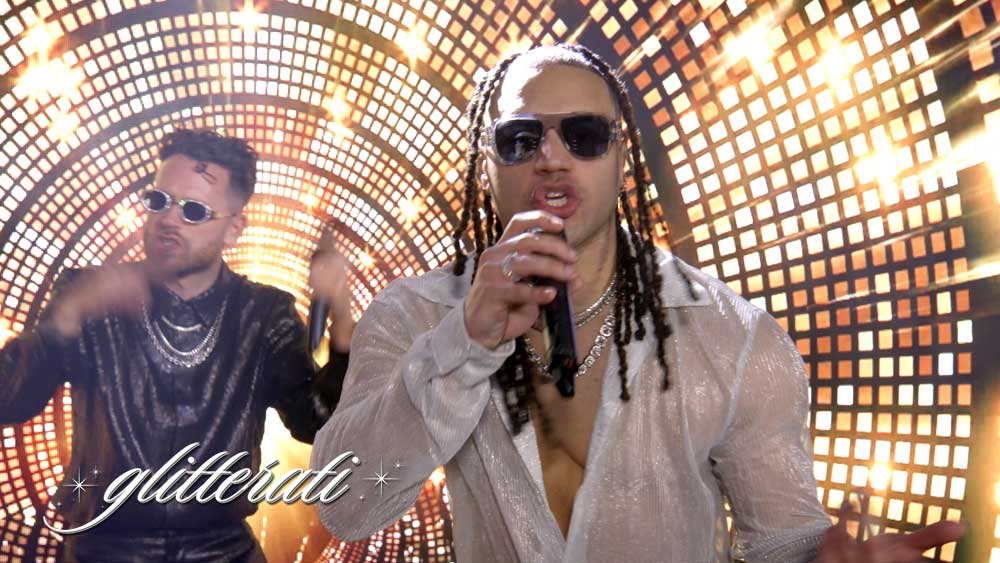
Glitterati Professional Wedding Band
Live Bands Don’t Have to Be Too Loud
A live band doesn’t have to be too loud for a wedding. With a little planning, an experienced, professional live band can work within your venue’s restrictions and still put on an unforgettable show that has guests talking about your reception for months. It comes down to knowing the decibel limit before you book, having a discussion on mixing strategy, and doing a proper sound check. A good band will put on a memorable show with intelligence and talent rather than raw volume.
If you’re in the market for a live wedding band that can bring the energy while respecting volume constraints, Green Light Bands exclusive bands that have that balance down to a science. Whether it’s the musical versatility of Modern Retrospect, the corporate chops of Red Hot Revolution, the crowd-pleasing country and pop from Rhinestone Rodeo, the fun to be experienced with Music City Groove, or the flashy style of Glitterati, each band has the experience to make your event magical no matter what the venue’s sound policy is. Give us a call to find the right fit for your celebration.
Frequently Asked Questions
How loud is too loud for a live band at a wedding?
Without sound controls, a live wedding band will run 90-100 dB on average. To keep things comfortable for your guests and in line with noise ordinances, most venues put a limit on that, usually in the 85-95 dB range. A competent sound engineer can keep tabs on the levels throughout the reception and make the necessary adjustments to the equipment so nobody is at risk of hearing damage or discomfort.
What’s the difference between acoustic and amplified bands when it comes to volume?
An acoustic wedding band is naturally in the 70-85 dB range and is a good fit for a ceremony, cocktail hour, or dinner at an intimate venue with strict rules. An amplified group with microphones, speakers, and electronic drums is going to be 90-100+ dB and is better for keeping the dance floor full at a wedding reception. Let your venue’s policy and what you want for your guests help you make the right decision.
How can I control the volume of a live band at my wedding?
Talk with your band leader and their sound engineer about the volume. You might decide that electronic drums are the best fit, place the speakers away from where people are sitting, or use a limiter that will cut power if the sound limit is reached. Make sure to include your expectations in the contract and do a sound check beforehand. Most pros are used to working with these kinds of restrictions and will work with you to keep you satisfied.
What should I ask about sound policies when I negotiate my venue contract?
Ask about specific decibel level limits that your venue allows, whether they can provide sound limiters, and the types of penalties for exceeding decibel level limits. Get the name of the person in charge of managing the sound limiter (either the venue or your band’s sound engineer), find out if the venue allows external sound equipment, and if they have recommendations for bands experienced with their sound restrictions. Get all details in writing and share them with your band during booking. Clearly written contracts prevent surprises and ensure the band you hire can deliver the reception atmosphere you want.