
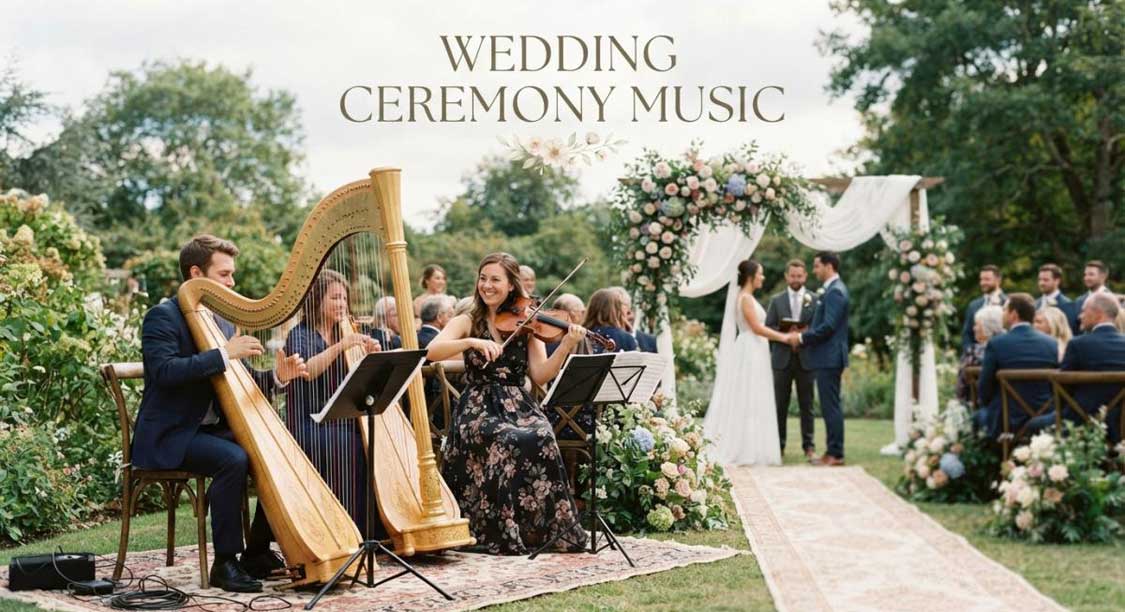
Differentiating Wedding Ceremony & Reception Music
There’s a big difference between the music you’ll need for your ceremony and what will work at your wedding reception. The two call for entirely different types of music because their purposes are not at all the same. While ceremony music is there to set a reverent mood for your wedding vows, reception music’s goal is to let your guests loose, and keep the dance floor full for hours. To book the right music entertainment for the entire event, you need to understand the differences.
For the ceremony, music should be unobtrusive so that all eyes are on you. However, the best and most experienced wedding bands know to do the exact opposite at the reception, where the music is meant to be felt and to spur guest engagement.
Ceremony Music Creates Atmosphere
The objective for the ceremony is to create reverence with soft instrumentals. You’ll find that many couples still gravitate toward classical pieces such as Mendelssohn’s Wedding March or Pachelbel’s Canon for their emotional pull. Plus, everyone’s familiar with these classics. It’s all about enhancing the processional and creating a triumphant recessional.
Acoustics play a big part in this too. A garden venue is not the same as a church with high ceilings when it comes to amplification. A thorough sound check prior to your guests’ arrival is necessary to make sure the music is heard in every row without being too loud and overbearing.
Reception Music is Where the Energy Is
Once you move to the wedding reception, you need live wedding band that can cover everything from ambient cocktail hour music to the high energy dancing a bit later on. A live band can read the room and adapt in real time to any situation.
Take the Rhinestone Rodeo Band, for instance. They have a way of delivering quality pop and country dance numbers that get crowds raving, yet they’ll change their setlist on the fly to suit the age and energy of your guests. That kind of professional flexibility is what turns an ordinary party into an unforgettable night.

Rhinestone Rodeo Band Provides Ceremony Music
Structuring Your Ceremony Songs
Your timeline for the ceremony generally breaks down into three parts.
Prelude and Ambient Music
As people come in during the 20 or 30 minutes before you start, elegant prelude music fills the void and builds anticipation. A piano, acoustic guitar or string ensemble elevates the experience, especially when playing something like Debussy’s Clair de Lune or Erik Satie’s Gymnopédie No. 1. The volume should be high enough to be heard and felt, but not so high it makes conversation difficult.
Processional and Recessional
The walk down the aisle, for both the bridesmaids and the bride, music like Wagner’s Bridal Chorus or a contemporary string arrangement are popular. Afterward comes the recessional, your shining moment as newlyweds. The tempo should increase a bit when compared to the processional. If you walk too quickly the music feels rushed; walk too slow and it lags. An experienced DJ or musicians will have coordinated with you before the wedding to make sure the timing is right.
Putting Together a Timeline
A well-run wedding has an arc to it, both emotionally and energetically.
Cocktail Hour
This is the transition to the reception. Jazz or light instrumentals are always a good choice here, with a small ensemble or acoustic player providing some class and sophistication where recorded tracks miss the mark. The energy should slowly build during the cocktail hour so that by the time dinner is served, the music is giving guests a small hint as to what’s in store for them at the reception.
Grand Entrance and First Dance
Your grand entrance song and first dance are signature moments on your wedding day. For the first dance, most couples pick a song of personal significance, such as a song from the day they met. It’s one of the things your guests will recall. Music City Groove has a knack for these occasions, bringing showmanship to make your entrance and first dance feel exactly as they should – special and memorable. They handle the transition with a professionalism that leaves an impression with guests.
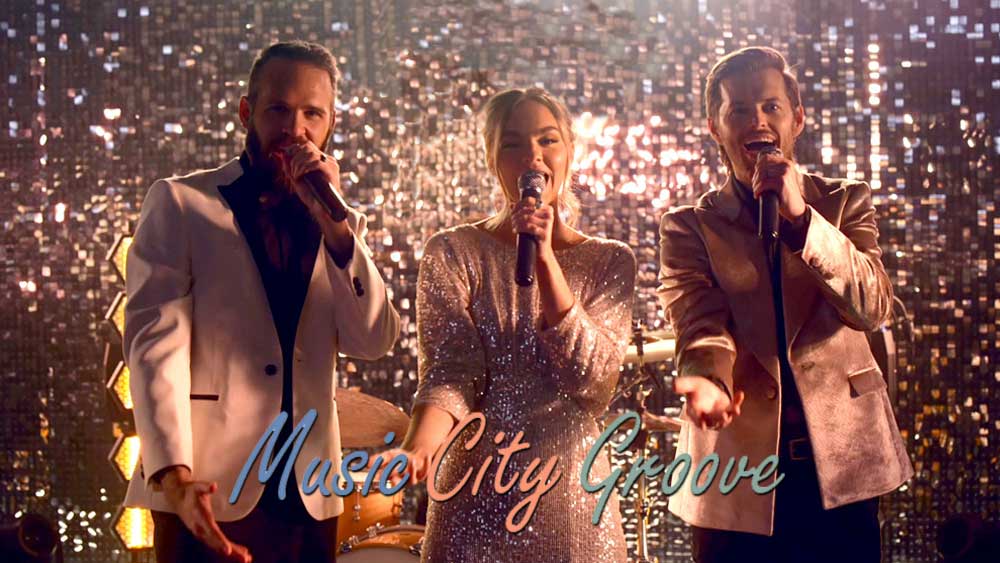
Music City Groove: Beautiful Music for Ceremonies
Live Bands and DJs
Whether you opt for a live band or a DJ, both can give you a fine reception. It’s a matter of your vision and how you wish to spend your budget.
The case for a live band at a high-energy reception
There’s an energy to a live band that no other form of music can deliver. The atmosphere becomes electric when you watch musicians perform on stage in real time. They have a way of reading the room and responding to the crowd that’s organic and alive, making any necessary song adjustments as they go.
In terms of holding the dance floor for hours, live bands are at the top of the list. Musicians who are clearly having a good time while on stage is infectious with a crowd. Of course, there’s a trade-off. A band is almost always pricier than a DJ and demands more in the way of space, technical coordination and sound checks.
Paul Cave & The Platinums is an example of the kind of professional live wedding band that can turn a reception around. Their jazz and swing music is classy and they have the versatility for any venue. You’re paying for experience with them, not just background noise.
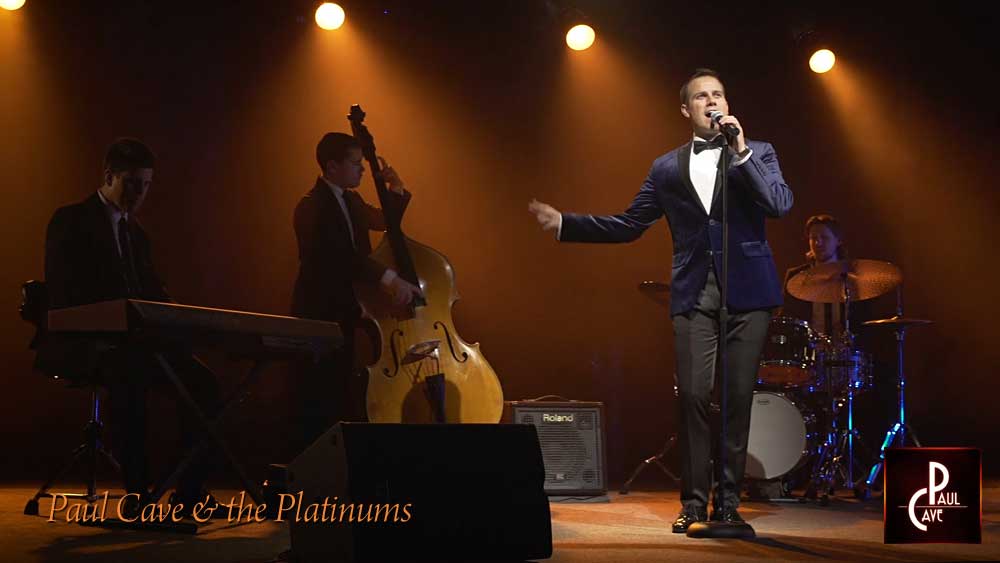
Paul Cave and the Platinums for Weddings
Then you have the flexibility of a DJ
They can pull up any song at any time and handle all your audio needs for less money and with less setup. They know how to gauge what guests want; if a track is liked they’ll follow it with something similar, or change their direction if the mood begins to slide. For the ceremony music, a DJ has the edge over a band. They can play the prelude and processional music through their system easily, while a band needs separate players.
How to plan your wedding music
It’s worth being clear on what songs are a must and which ones are not before you put down a deposit on music entertainment.
Your must-play list should be kept to a minimum of maybe five, or possibly up to ten tracks, that really mean something to you: the first dance song, a favorite of your parents’ for their dances, or a song you know that will get your guests excited. Give your band, musicians, or DJ the specifics – artist, title, version – and use a tool like VIBO or the DJ Rock My World Online Music Planner to make sure your message is clear.
On the flip side, your do-not-play list should also be kept to a minimum to avoid killing the energy and mood. Be precise with it. “No sad songs while we are dancing” is fine; “nothing from the 80s” is too broad and takes away from a band’s ability to work the room.
Party Echelon understands how to navigate these preferences while maintaining energy and guest engagement. They work closely with wedding couples to understand their vision so they can deliver a setlist that feels totally theirs while keeping the dance floor packed. This balance between personalization and professional expertise separates good bands from exceptional ones like Party Echelon.

Party Echelon Wedding Band
Sound Systems, Logistics, and Venue Acoustics
Don’t let poor acoustics ruin the event. Sound logistics are almost as important as the song choices. An acoustic string quartet for a backyard garden ceremony is great, and doesn’t need much little amplification, but for the wedding reception you’ll need the music to be heard across the entire venue. A top-tier party band will bring and set up the right equipment to make sure there’s no feedback or distortion. Thinking about the sound gear is something you shouldn’t have to do. It’s only the music you need to be thinking about. The live bands offered by Green Light Bands, for instance, supply the full technical infrastructure so the production values are there.
Make sure the sound check is done at least two hours before the ceremony and before your guests are arrive. Check the microphones, volume, and transitions. These things are non-negotiable for a wedding party.
Here’s the bottom line: entertainment is one of the biggest costs in a wedding. Knowing your budget is a big part of making the right call on your music entertainment.
Entertainment Budget Considerations
A live band will put a bigger dent in your music budget than a DJ will. But when you’re looking at the cost, you also need to look at what you’re actually getting. Is the sound system part of the band’s package? Will they supply music for the ceremony, cocktail hour and reception, or just the reception?
Most couples don’t budget for their entertainment based solely on a percentage of the overall wedding expenses. They often decide their entertainment budget based on what their vision is for their wedding day. The more valuable the music entertainment is to you personally, the more you’ll want to spend to make sure you get exactly what you want. But there are other expenses that need to be factored in as well. If the venue doesn’t have its own PA system, you’ll need to come up with money for sound and microphone rentals for things like announcements, toasts, and speeches. A complex setup may even call for a dedicated sound engineer.
Music Licensing and Legalities
Technically speaking, any time a band or DJ plays copyrighted music at a wedding, licensing fees come into play. In the real world, however, this is rarely an issue for the couple. Your DJ, band, or musicians will already have that taken care of. Venues usually have blanket music licenses in place and most DJs and bands have their own as well. It’s something to be aware of if you’re going the DIY route and want to be sure you’re in compliance with the law.
Selecting Music for Your Vision as Well as Guest Experience
The best wedding music strategy aligns your music entertainment choices with your overall vision and guests’ experience.
Cultural and Multi-Genre Integration
Your entertainment should be in step with the overall vision you have for your wedding. We see weddings today that make a point of blending musical traditions. One wedding couple might hire a classical string quartet for the ceremony and then book a live wedding dance band for the reception, mixing music styles for both partners’ backgrounds. When you do this right, the transition between the two is seamless. On the other hand, moving from classical for the ceremony to hip-hop for the reception can be quite a jarring experience, so you need to make sure it’s handled as a deliberate statement of who you are as a couple.
SHUFFLE is a good example. As a pop, punk and classic rock band, they have the versatility to make multiple cultural styles work. They bring energy and excitement without sacrificing the kind of musicianship and professionalism that puts an event over the top. That sort of flexibility is hard to come by.
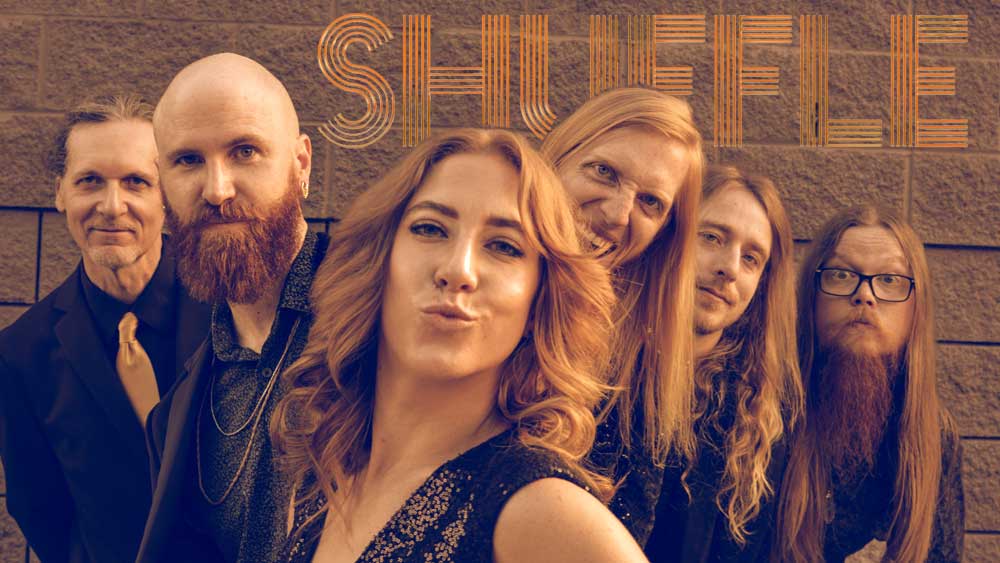
Shuffle: Live Wedding Band
And when it comes to cultural heritage, authenticity does matter. A live musician familiar with that tradition can give you something that recorded music cannot.
You also have to keep your guests in mind. With multiple generations attending your wedding, it would be very difficult to please them all equally. What you want to do is create a setlist where everyone feels part of the celebration. A good musician, DJ, or band will have the experience necessary to read the room and adjust their setlist accordingly, offering timeless pieces as well as favorite contemporary dance hits. Add some of your friends’ favorites to your must-play list along with songs that have special meaning to your parents or grandparents.
Ceremony vs. Reception
Ceremonies and receptions not the same, but still need to be of one purpose. The ceremony should be reverent and emotionally resonant, while the reception is about driving the energy so that guests will get engaged. Green Light Bands offers world-acclaimed wedding bands that have the technical expertise and musicianship to handle both sides of that equation. Their exclusive stable of Top 40, country, pop, soul, R&B, Motown, jazz and classic rock bands gives you the flexibility to keep the dance floor full while staying true to your vision. Call today and talk with us about your needs and how the right band can create an experience your guests won’t ever forget.
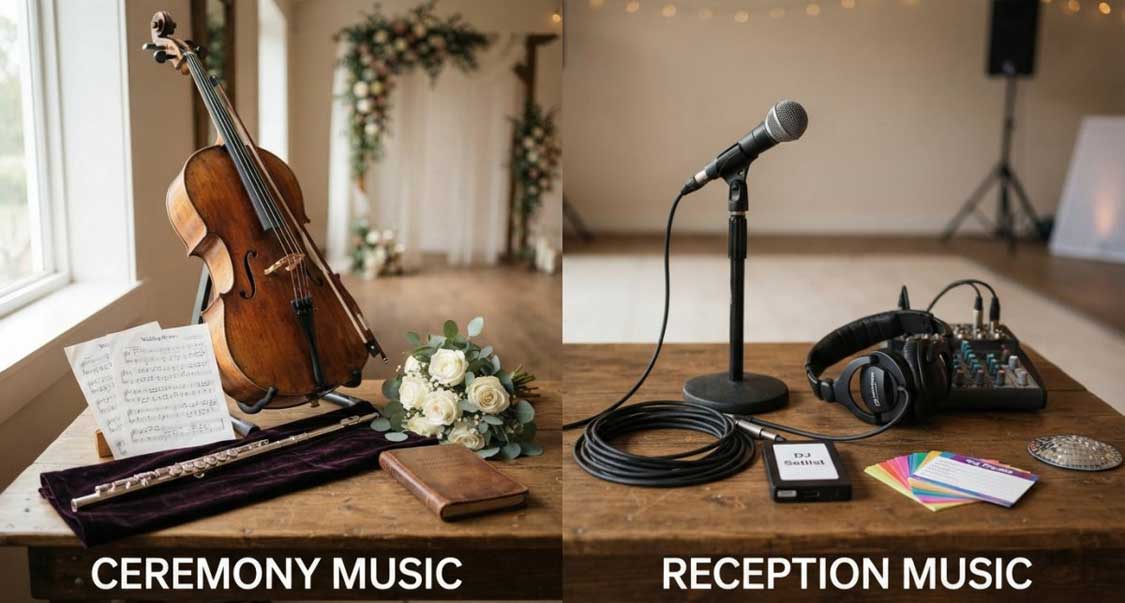
Choosing between wedding ceremony music and wedding reception music – ceremony music creates an atmosphere of reverence and emotional resonance, while reception music creates energy and guest engagement.
Frequently Asked Questions
What separates ceremony music from what you hear at the reception?
Ceremony music is most often formal and intimate, often acoustic or soft instrumental for the processional and vows. Reception music is meant to be high-energy to get people moving and engaged.
How should one plan a timeline that doesn’t feel forced?
Begin with prelude for arriving guests, move to the processional and recessional, and have ambient music ready for the cocktail hour and dinner. Then let the live band take over for dancing at the reception. Also make time for the first dance and toasts. A well-planned event keeps things entertaining for each phase of the evening.
Is it worth hiring a live band for the whole day?
They’re excellent for the wedding reception, but it can also be cheaper in many cases to hire a live wedding band for all facets of the wedding day. One or more musicians in the band could perform for the ceremony, then a duo or trio comprised of band members could play for the cocktail hour and dinner, then the full band would then explode with high energy dance music for the reception. This is often cheaper than hiring separate musicians for each part of the wedding event. It all depends on your venue and the type of atmosphere you’re after.
What belongs on a do-not-play list?
Any song with lyrics or themes you find objectionable, or songs tied to an ex or a difficult memory. Be clear with your DJ or wedding band about these do-not-play songs during the planning stages so the night reflects your preferences. Lastly, keep this list limited to just a handful of songs. Some brides and grooms will try to micromanage a band’s song list, which makes it almost impossible to do what they do best – keep the dance floor full all party long. On the other hand, if you’re the micromanaging type, you’ll probably be better off hiring a DJ.
How is music licensing handled?
Professional bands and venues will usually have the legal requirements covered. A wedding party band will be working with ASCAP or BMI for copyrighted music, while a DJ will be relying on the venue or platform agreements. It’s always a good idea to check with your venue to be certain music artists are being compensated as they should be.