
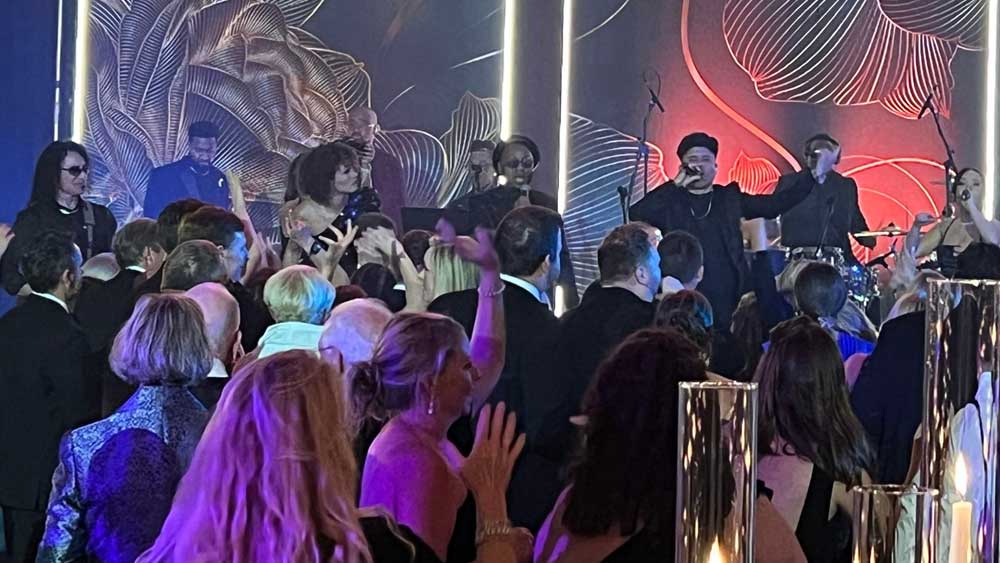
How to Keep a Wedding Dance Floor Full All Night
Keep a wedding dance floor full with expert tips on music, lighting, venue layout, and timing. Build unstoppable energy all night. Start planning today so that you will be able to keep a wedding dance floor full all party long.
A packed dance floor doesn’t happen by accident. Knowing how to keep a wedding dance floor full all night is the difference between a reception guests talk about for years and one they quietly slip away from before 9 PM. This guide from Green Light Bands covers everything from hiring the right entertainment and curating the perfect playlist to venue layout, lighting design, and the psychology behind why dance floors empty out in the first place. Below, you’ll find exactly what works, what most couples overlook, and how to build the kind of momentum that keeps guests dancing until last call.
Here’s what most planning guides get wrong: they treat a full dance floor as a music problem. It’s not. It’s an energy management problem, and music is just one variable.
Why Keeping a Wedding Dance Floor Full Is Harder Than It Looks
Most couples assume the right playlist is all they need. Book a DJ, pick some crowd favorites, and guests will naturally gravitate toward the floor. The reality is more complicated.
A wedding reception is a social environment with competing priorities. Guests are catching up with relatives they haven’t seen in years. Some are uncomfortable dancing in front of coworkers. Others are waiting for someone else to go first. Without deliberate planning, the dance floor becomes an awkward empty space that nobody wants to be the first to occupy.
The challenge compounds when you factor in the natural rhythm of a reception. Dinner slows momentum. Long speeches drain energy. Poor venue layout creates physical barriers between guests and the floor. According to The Knot’s wedding planning research, the entertainment quality is consistently ranked among the top factors guests remember from weddings, yet it’s also one of the most underfunded line items in the average wedding budget.
The good news: every one of these obstacles is solvable. The booking strategies below address the full picture, not just the setlist.
Warning
Skipping the venue walkthrough with your entertainer is one of the most common mistakes couples make. Acoustic dead zones, low ceilings, and awkward floor placement discovered on the wedding day cannot be fixed in real time.
Hire a Professional Live Band or DJ Who Knows How to Read the Room
Professional entertainment is the single biggest lever you have for keeping a wedding dance floor full. A skilled DJ or live band doesn’t just play music; they manage the energy of an entire room in real time, adjusting tempo, genre, and vibe based on what the crowd is actually doing. Green Light Bands specializes in exactly this. With a diverse roster covering Top 40, classic rock, country, jazz, and more, their bands are built to read any room and shift gears when the crowd needs it. That versatility from the bands listed below is what separates a memorable reception from a forgettable one.
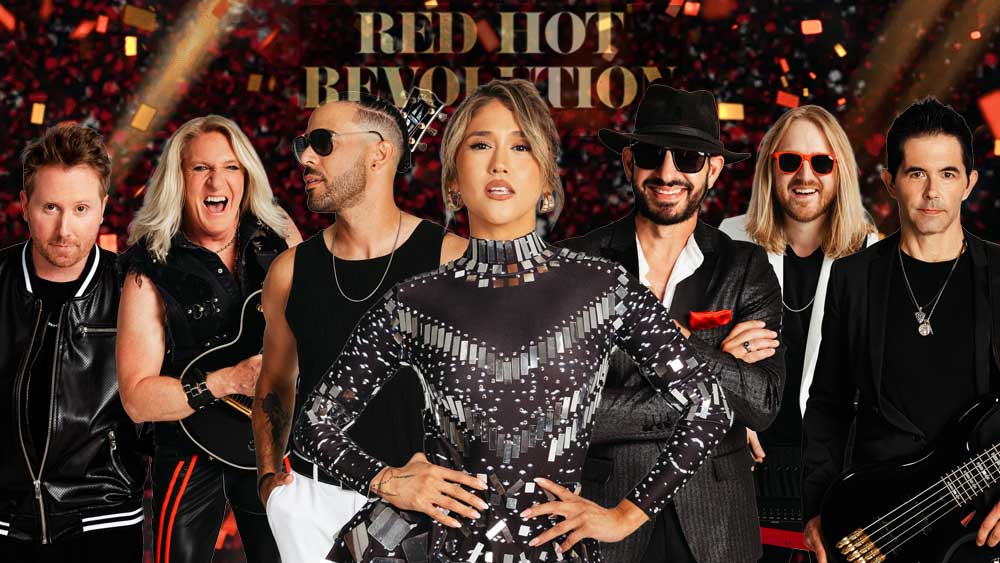
Keep a Wedding Dance Floor Full with Red Hot Revolution
Red Hot Revolution: Red Hot Revolution delivers an arena-concert-style experience with seamless, DJ-inspired medleys spanning pop, R&B, Motown, rock, country, and modern chart hits. Featuring tour-tested musicians, powerhouse vocalists, and Grammy-nominated talent, the band specializes in keeping wedding dance floors energized from the first song through the finale.
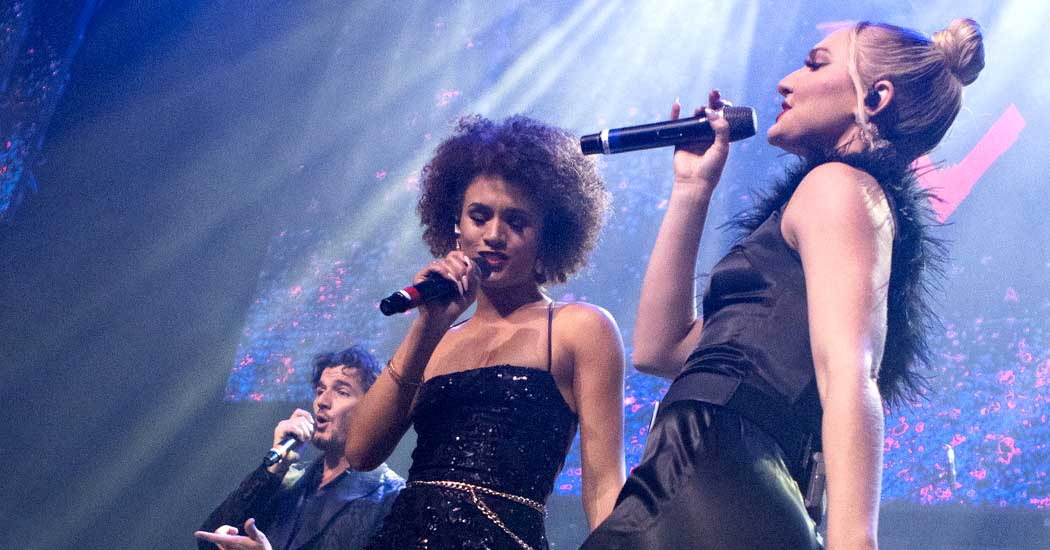
Pack the Wedding Dance Floor with the Liquid Blue Party Band
Liquid Blue: Liquid Blue is an award-winning, internationally traveled band that has performed in more than 700 cities across 125 countries and earned recognition on the Billboard charts. Their high-energy wedding shows combine current Top 40 hits with classic rock, disco, soul, pop, and dance favorites, along with energetic choreography and an optional horn section.
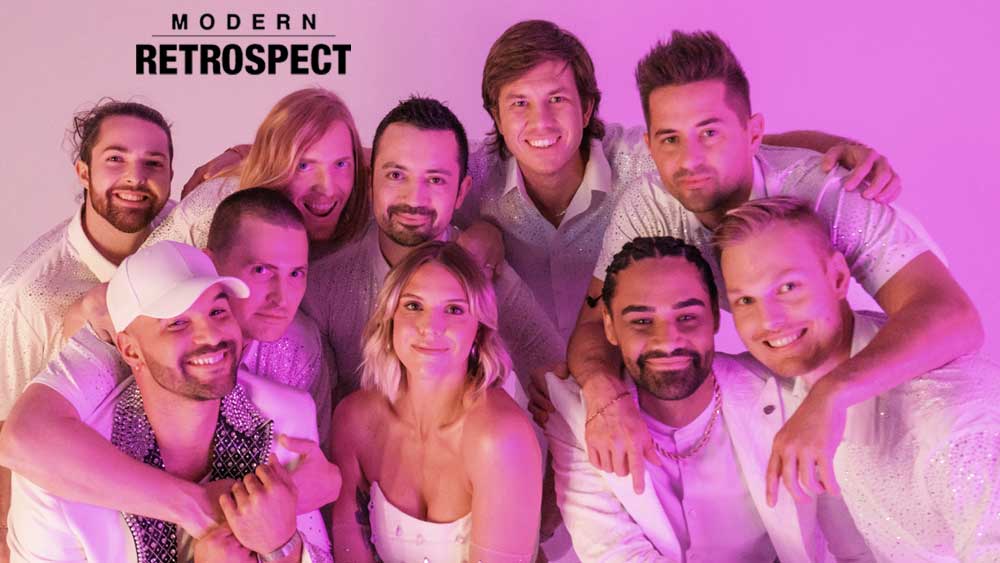
Modern Retrospect Wedding Dance Band that Keeps the Dance Floor Full
Modern Retrospect: Modern Retrospect is a high-energy wedding and party band featuring three vocalists, accomplished musicians, and a three-piece horn section. Their repertoire ranges from current Billboard hits to longtime classics, with singers and horn players even joining guests on the dance floor to create an interactive celebration.
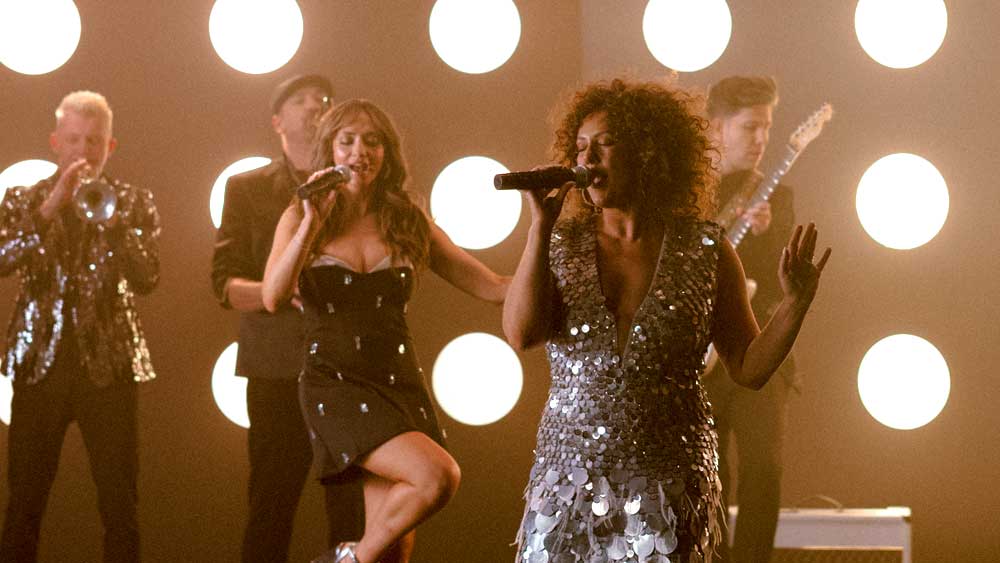
Metro Music Club Cover Band for Weddings and Receptions
Metro Music Club: Metro Music Club brings a fresh, soulful sound to weddings with a repertoire covering current dance hits, funk, hip-hop, R&B, reggae, soul, and pop. The group combines standout vocalists and studio musicians with a professional DJ, creating a polished, contemporary sound designed for stylish, high-energy celebrations.
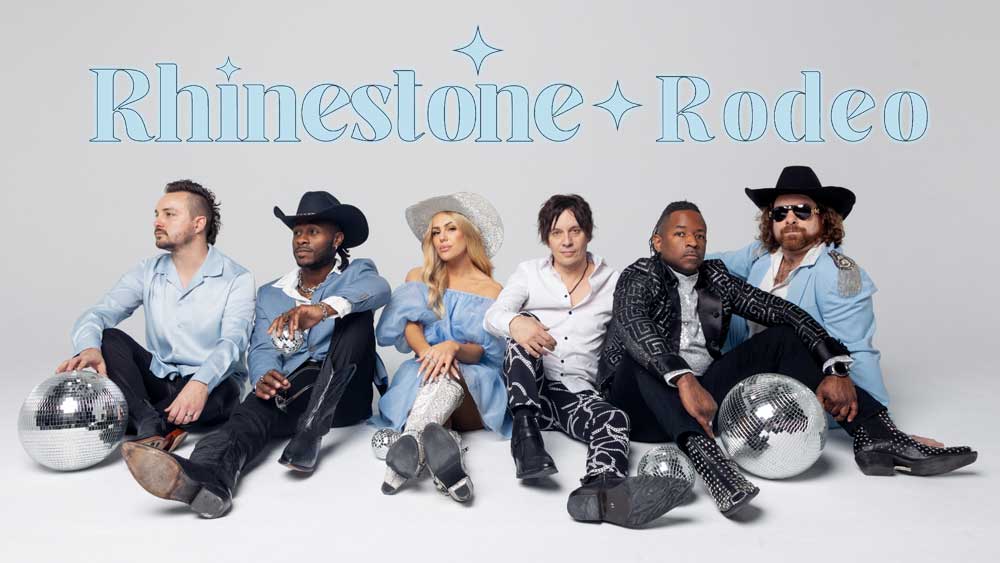
Rhinestone Rodeo Country Pop Wedding Band for Receptions
Rhinestone Rodeo: Rhinestone Rodeo blends upbeat pop energy with country flair, creating a lively wedding performance that is as much about showmanship and audience interaction as it is about the music. Their broad songbook stretches from current chart-toppers to country favorites, making them a distinctive option for couples who want an energetic, visually entertaining party atmosphere.
The difference between a professional and an amateur entertainer isn’t just technical skill. It’s experience reading body language, knowing when to drop a slow song to let guests catch their breath, and understanding that the right song at the wrong moment can empty a floor just as quickly as the wrong song entirely.
How to Choose a Wedding DJ or Band That will Keep a Dance Floor Full
Choosing the right entertainment is one of the most important decisions in how to choose a wedding DJ or band. Here’s what to prioritize:
- Live performance experience at weddings specifically. Corporate events and bar gigs require different skills than a wedding reception. Ask for wedding references.
- Repertoire breadth. Your guests span multiple generations. An entertainer who can only do one genre will lose half the room.
- Crowd-reading ability. Ask candidates directly: “What do you do when the floor starts to empty?” Their answer reveals everything.
- Professional sound equipment. Poor audio quality kills the atmosphere regardless of how good the music is.
- Willingness to collaborate. The best entertainers treat your input as a starting point, not a constraint.
Meet candidates in person or via video call. If they seem disinterested in your vision during the sales process, they’ll be disinterested on your wedding day.
Build a Do-Not-Play List and Share Your Favorites in Advance
A do-not-play list is as important as your playlist. Share it with your entertainer at least a month or more before the wedding, along with a list of crowd favorites tailored to your specific guest mix. However, it’s always best to keep these lists to a bare minimum. World-class bands know what crowds like, so don’t turn a packed dance floor into a dash for the exits by making too many unneeded demands on the band’s setlist.
Think about your audience in segments: older relatives, college friends, coworkers, kids. A good entertainer will weave between these groups throughout the night, giving each segment a moment on the floor. Your job is to give them the raw material to work with.
Wedding Reception Timeline for Dancing: When to Start and How to Build Momentum
Timing is everything. The wedding reception timeline for dancing should be treated as a strategic document, not an afterthought.
The most common mistake is waiting too long to start dancing. Many couples schedule dinner, then speeches, then a first dance, then more formalities, and by the time open dancing begins, it’s 9:30 PM and guests are already thinking about the drive home. According to WeddingWire’s reception planning guidance, receptions that transition into open dancing within 90 minutes of guests arriving consistently generate higher energy throughout the night.
A stronger approach:
| Timeline Block | Recommended Duration | Energy Goal |
|---|---|---|
| Cocktail hour | 60 minutes | Warm, social, ambient music |
| Dinner + first dances | 60-75 minutes | Emotional peak, then build |
| Open dancing begins | As early as possible | High energy, crowd favorites |
| Mid-reception slow song | 1-2 songs | Rest without killing momentum |
| Late-night push | Final 45 minutes | Peak energy, all-time favorites |
The goal is to build energy in waves, not sustain a single constant level. Guests need moments to rest, but those moments should be intentional and brief.
Understanding the Psychology of the Dance Floor Dip
The dance floor dip is the predictable energy drop that occurs roughly 45-60 minutes into open dancing. Understanding it is essential for keeping a wedding dance floor full through the second half of the night.
The dip happens because initial excitement fades, guests get tired, and the novelty of the dance floor wears off. Most entertainers who don’t plan for it will accidentally accelerate it by playing the wrong songs at the wrong time.
The fix is counterintuitive: don’t fight the dip with more high-energy songs. Instead, use it. Schedule a crowd-participation moment, a line dance, or a short interactive segment right as the dip begins. This resets the room’s energy without asking tired guests to push through something they’re not feeling. A skilled entertainer will do this instinctively. A less experienced one needs to be briefed on it in advance. The top bands from Green Light Bands are experienced is keeping the dance floor packed all party long.
Tip
Brief your entertainment on the dance floor dip before the reception. Ask them specifically what they plan to do at the 45-minute mark to re-energize the crowd. Entertainers who have a concrete answer have done this before.
Songs to Get People on the Dance Floor: Curating a Playlist That Works
The right songs to get people on the dance floor aren’t necessarily your personal favorites. They’re the songs that create a shared moment for the widest possible cross-section of your guests.
This is a hard truth that many couples resist. Your wedding playlist isn’t a Spotify playlist for two people. It’s a setlist designed to move a room of 80 to 200 people with different ages, tastes, and comfort levels with dancing.
The most effective playlists share a few characteristics. They move between music genres strategically, typically using medleys that move from song to song to song without breaks, keeping the energy high and the crowd hopping. They include songs that span at least three decades, giving every age group a recognizable moment. They build from familiar to euphoric, starting with songs people know and ending with songs people love.
Warm-Up Songs, Crowd Favorites, and Seamless Transitions
Warm-up songs are the most underrated tool in the reception timeline. These are the songs that play while guests are finishing dinner and the dance floor is technically open but still empty. Their job isn’t to fill the floor immediately. Their job is to build anticipation and signal that the party is starting.
Good warm-up songs tend to be:
- Recognizable but not overplayed
- Mid-tempo, not too slow and not too fast
- Broadly appealing across age groups
- Associated with positive, celebratory memories
From there, crowd favorites take over. These are the songs that get people off their chairs without needing a formal invitation. Think of them as the guaranteed winners in your entertainer’s arsenal.
Seamless transitions between songs are what separate a professional entertainer from an amateur. A jarring transition, even between two great songs, can break the spell and send guests back to their seats. Ask your DJ or band specifically about their transition approach during the vetting process.
Venue Layout, Dance Floor Size, and Acoustic Technicalities That Matter
Venue layout is where a lot of wedding dance floors fail before the first song plays. Most couples focus entirely on the music and overlook the physical environment, which is a significant mistake, because no entertainer, regardless of skill, can fully compensate for a room that works against them. This section covers the technical specifics that almost no wedding planning guide addresses, and that most couples only discover on the wedding day when it’s too late to fix.
Dance Floor Size: The Specific Math That Most Guides Get Wrong
Dance floor size matters more than most people realize, and the error almost always runs in the same direction: floors that are too large.
A floor that’s too large feels empty even with 30 people on it. Empty space creates social pressure, guests standing at the edge of a half-empty floor feel exposed, which keeps hesitant dancers in their seats. The result is a self-reinforcing cycle where the floor looks empty, so nobody joins, so it stays empty.
The general planning rule used by most professional entertainers: size the floor for approximately 40-50% of your guest count dancing simultaneously, not 100%. For a 150-person wedding, that means a floor sized for 60-75 people at a time, roughly 300-375 square feet, assuming each dancer needs about 5 square feet of comfortable movement space.
If your venue has a fixed floor that’s larger than this formula suggests, there are practical workarounds:
- Position tables or cocktail furniture at the perimeter to visually compress the floor’s apparent size
- Use lighting to define a smaller “active zone” within the larger floor
- Ask your entertainer to position speakers to create a natural acoustic focal point that draws guests toward the center
If the floor is too small for your guest count, the fix is simpler: confirm the floor dimensions with your venue before booking and negotiate an extension if needed. Most venues with modular flooring systems can accommodate this with advance notice.
Speaker Placement and the Acoustic Technicalities That Determine Sound Quality
This is the area most wedding planning guides skip entirely, and it’s where a significant number of receptions quietly fail.
Poor speaker placement doesn’t just affect sound quality, it affects the physical experience of being on the dance floor. Bass frequencies, in particular, are felt as much as heard. When bass is properly distributed across the floor, it creates the physical sensation of being inside the music, which is one of the primary drivers of sustained dancing. When bass is uneven or weak, the floor feels flat regardless of how good the songs are.
Key acoustic principles your entertainer and venue coordinator should address before the wedding day:
Speaker height and angle: Speakers positioned too high and aimed at the ceiling create acoustic reflections that muddy the sound and reduce clarity. Speakers aimed directly at ear level across the floor deliver cleaner, more consistent audio. For large rooms, delay speakers, secondary speakers positioned further into the room, prevent the volume drop-off that occurs when guests are far from the main stack.
Subwoofer placement: A single subwoofer placed at the center of the stage or DJ booth creates uneven bass distribution, strong at the front of the floor, weak at the back. Experienced sound engineers often split subwoofers to opposite sides of the floor, or use cardioid subwoofer configurations that direct bass energy toward the dance floor rather than toward the stage or back wall. Ask your entertainer how they handle subwoofer placement for your specific room dimensions.
Room acoustics and sound dampening: Hard-surfaced rooms, ballrooms with marble floors, high ceilings, and minimal soft furnishings, create significant reverberation. Sound bounces off every surface, stacking on itself and reducing clarity. In these rooms, the entertainer needs to compensate with equalization adjustments that reduce the frequencies most prone to buildup (typically in the 250Hz-500Hz range). Soft-surfaced rooms, tented receptions, venues with heavy draping, carpeted spaces, absorb sound aggressively, which can make music feel muffled and low-energy. These rooms require more output and a brighter EQ curve to compensate.
Neither problem is insurmountable, but both require the entertainer to walk the room before the reception, not during it.
Warning
Skipping the venue walkthrough with your entertainer is one of the most common and costly mistakes couples make. Acoustic dead zones, low ceilings, awkward speaker placement constraints, and floor surface issues discovered on the wedding day cannot be fixed in real time. Schedule a walkthrough at least four to six weeks before the wedding, ideally at the same time of day as your reception so natural light conditions match.
Room Shape and Guest Flow: How Venue Geometry Affects Dance Floor Energy
Room shape has a direct effect on whether guests naturally gravitate toward the dance floor or drift away from it.
Long, narrow rooms are the most challenging layout for a wedding reception. They naturally segment guests into two or three distinct social clusters, the group near the stage, the group in the middle, and the group at the far end who effectively disappear from the party atmosphere. If your venue has this layout, the most effective mitigation is to position the dance floor and stage at the center of the long wall rather than at one end, so no guest is more than half the room’s length away from the action.
Square or slightly rectangular rooms are the most favorable geometry for a full dance floor. They allow the entertainer to position the stage and floor so that every table has a clear sightline to the action, which is critical, guests who can see the dance floor from their seats are significantly more likely to join it than guests who have to walk around a corner or through a crowd to even see what’s happening.
Rooms with columns or structural dividers create visual and acoustic dead zones. Identify these during your venue walkthrough and ensure the floor is positioned so that columns fall outside the primary sightlines from the majority of guest seating.
Traffic flow between the bar, restrooms, and dance floor is a detail that’s easy to overlook and hard to fix. Ideally, the path from the bar to the dance floor should be short and direct, guests who have to walk past the floor to get a drink are more likely to stop and join than guests who have to walk away from the floor to get to the bar. If your venue layout puts the bar on the opposite side of the room from the floor, discuss with your coordinator whether a secondary bar or drink station can be positioned closer to the floor for the dancing portion of the evening.
Inclusive Dance Floor Design for Non-Dancers
Not every guest is comfortable dancing, and designing the space with that reality in mind actually increases overall participation rather than reducing it.
The key insight: non-dancers who are physically close to the floor and socially engaged with it create social proof that makes hesitant guests more likely to join. Non-dancers who are seated in a separate area far from the floor effectively disappear from the party atmosphere and contribute nothing to the energy.
Practical design choices that close this gap:
- Place high-top cocktail tables at the floor perimeter. Guests who aren’t dancing but are standing nearby, watching, cheering, singing along, create the visual impression of a full, energetic room. This lowers the social barrier for hesitant dancers who are scanning the room to decide whether to join.
- Ensure clear sightlines from all seating to the floor. Guests who can see the fun from their seats are more likely to get up than guests who can’t. Avoid placing tall centerpieces, buffet stations, or structural elements that block these sightlines.
- Provide seating options at different distances from the floor. Some guests, elderly relatives, guests with mobility limitations, parents with young children, want to be part of the energy without being on the floor. Comfortable seating at the perimeter keeps them present and contributing to the atmosphere rather than retreating to a quiet corner.
- Reduce friction between the floor and the rest of the room. Easy access to the bar from the floor, comfortable flooring transitions (no tripping hazards at the floor edge), and adequate lighting at the perimeter so guests can navigate safely all reduce the small frictions that cause people to drift away and not return.
The goal is to make the dance floor feel like the undeniable center of the room, not a separate zone that requires a deliberate decision to enter, but the natural place to be.
Lighting Design and Environment: The Hidden Key to a Full Dance Floor
Lighting is the most underestimated element in keeping a wedding dance floor full, and it’s one of the areas where most wedding planning guides say almost nothing useful. That gap is worth closing, because lighting doesn’t just set a mood, it actively regulates whether guests feel safe enough to dance.
The Psychology Behind How Lighting Can Help Keep a Dance Floor Full
The core mechanism is self-consciousness. Bright, even, overhead lighting makes every guest feel individually visible, which is exactly the wrong feeling for someone deciding whether to get up and dance. Dim, dynamic lighting creates a sense of collective anonymity. When guests feel like part of a crowd rather than a subject on a stage, the social cost of dancing drops dramatically and participation rises.
This isn’t abstract. It’s the same reason nightclubs, which have spent decades optimizing for maximum dance floor occupancy, universally use low ambient light with dynamic lighting color sources rather than bright, static illumination. Wedding receptions that replicate even a fraction of that environment see meaningfully higher floor activity during open dancing.
Color Temperature and Its Effect on Movement
Not all dim lighting is equal. The color temperature and hue of your light sources have distinct effects on crowd energy:
- Warm amber and soft white (2700K-3000K): These tones feel intimate and romantic. They work well during dinner and the first dance but can feel too relaxed, almost sedating, if they dominate the open dancing period. Guests settle in rather than get up.
- Cool blue and purple (5000K-6500K equivalent in colored fixtures): These tones read as energetic and modern. Used during high-energy song blocks, they signal to guests that the mood has shifted from dinner to party. However, sustained cool blue without variation can feel cold and uninviting after 20-30 minutes.
- Dynamic color cycling and moving lights: The most effective approach for open dancing is not a fixed color but controlled variation, warm tones during slower moments, cooler and more saturated colors during peak energy songs, with moving beam fixtures adding visual rhythm that the brain unconsciously associates with music and movement.
- Red and deep magenta: Use sparingly and intentionally. These colors create urgency and excitement in short bursts but become fatiguing if held too long. They’re most effective during a late-night finale push.
The practical takeaway: your lighting should not be set once and left alone. It should be treated as a live instrument, adjusted in real time the same way your DJ or band adjusts the music.
Specific Lighting Fixtures That Matter at Weddings
Understanding the fixture types helps you have a more informed conversation with your venue and lighting vendor:
- Uplighting: LED cans placed at floor level around the perimeter of the room, washing walls in color. Uplighting is the single most cost-effective lighting upgrade for a wedding reception. It transforms the perceived size and energy of a room and can be color-shifted throughout the night. Most venues can accommodate 8-16 uplights for a standard ballroom.
- Moving head fixtures (intelligent lighting): These are the motorized spotlights that sweep, rotate, and change color. Even two or four moving heads above the dance floor create the visual energy that signals “this is where the party is.” They’re most impactful during high-energy song blocks.
- Pin spotting: Narrow beams aimed at centerpieces or the cake. These keep ambient room light low while ensuring key visual elements remain visible, a detail that matters for the overall atmosphere without flooding the dance floor with unwanted brightness.
- Gobo projectors: Fixtures that project patterns (monograms, stars, geometric shapes) onto the floor or walls. A monogram gobo on the dance floor is a popular personalization choice, but pattern gobos that shift with the music add visual texture that reinforces energy.
- Avoid: Venue-standard fluorescent or halogen overhead grids left at full brightness during open dancing. If your venue’s default lighting cannot be dimmed or switched off in the reception area, raise this in your venue walkthrough and confirm there is a workaround.
Timing Your Lighting Changes to the Reception Timeline
Lighting transitions should be choreographed to the reception timeline the same way song selections are:
| Reception Phase | Recommended Lighting Approach |
|---|---|
| Cocktail hour | Warm uplighting, moderate ambient brightness, no moving lights |
| Dinner | Warm, soft, static, intimate and flattering |
| First dance | Single spotlight on couple, room dims, all other light minimized |
| Open dancing begins | Room dims significantly, uplighting shifts to cooler or more saturated color, moving lights activate |
| Dance floor dip (45-60 min in) | Lighting shift to a new color palette signals a reset, guests notice the change subconsciously |
| Late-night finale | Maximum energy: faster movement on intelligent fixtures, peak color saturation, consider a brief strobe or sparkle effect if venue permits |
The lighting shift at the start of open dancing is particularly important. It functions as a non-verbal announcement, a cue that the social contract of the room has changed and dancing is now the primary activity. Couples who skip this transition and leave the room at dinner brightness during open dancing consistently report slower floor fill times.
Tip
When meeting with your venue coordinator or lighting vendor, ask specifically: “Can the overhead room lighting be fully dimmed or switched off independently of the dance floor lighting during open dancing?” If the answer is no, ask what the workaround is. This single question will reveal more about your venue’s lighting capability than any brochure.
Takeaway
Lighting is not decoration. It is an active crowd psychology tool. The color temperature, fixture type, and timing of your lighting changes directly influence how safe guests feel dancing, and how long they stay on the floor. Couples who invest in dynamic, coordinated lighting consistently report higher dance floor occupancy from the first song to the last.
More Ways to Keep a Wedding Dance Floor Full All Night
The strategies above cover the major variables. These additional tactics are the details that push a good reception into a great one.
Incorporate Line Dances and Interactive Dances
Line dances and interactive dances are the most reliable tools for re-engaging a crowd that’s starting to drift. They work because they remove the social barrier of needing a partner, they’re familiar enough that guests feel confident joining, and they create a shared experience that bonds the room.
The key is placement. Drop a line dance or group participation song at the 45-minute mark (the dance floor dip window), again around the two-hour mark, and once more near the end of the night as a finale. Don’t overuse them, or they lose their impact.
Keep Speeches, Formalities, and Announcements Short
Long speeches are the single biggest momentum killer in a wedding reception. Every minute a guest spends sitting and listening is a minute of dance floor energy draining away.
A practical guideline: cap individual speeches at three minutes, with a total speech block of no more than 15 minutes during the reception. Brief your wedding party and family members on this expectation well in advance. If someone is known to run long, assign a trusted person to give them a gentle signal.
Announcements from the DJ or band should be minimal and purposeful. Every announcement interrupts the music and breaks the flow. A professional entertainer understands this and keeps verbal interjections tight.
Offer Late-Night Snacks and Comfortable Footwear Options
Late-night snacks have become a standard feature at receptions, and for good reason. Guests who’ve been dancing for two hours are hungry. A food station that opens around 10 PM gives guests a reason to stay, re-energizes them for another round on the floor, and creates a natural social gathering point that keeps the party alive.
Comfortable footwear options, such as a basket of flip-flops near the dance floor, are a small touch that pays outsized dividends. High heels come off after a few hours. Guests who have an alternative to bare feet will stay on the floor longer.
These aren’t luxury additions. They’re practical investments in keeping the energy high through the final hour, which is when the best memories get made. As noted in Brides magazine’s reception planning advice, late-night food stations and footwear options consistently rank among the most appreciated wedding reception details guests mention in post-event feedback.
Keeping a dance floor packed from the first song to the last requires more than a good playlist. It requires the right band, a smart reception timeline, thoughtful venue setup, and an understanding of how crowd energy actually works. Green Light Bands brings all of that together, with a diverse roster of high-energy performers across every major genre, professional sound production, and the experience to read any crowd and keep them moving. Contact Green Light Bands to find the right band for your wedding reception and build the kind of night your guests will still be talking about years from now.
Frequently Asked Questions
How do you keep guests on the dance floor at a wedding?
Keeping a wedding dance floor full requires a combination of great music selection, smart venue layout, and good timing. Hire a professional DJ or live band who can read the crowd and adjust the playlist in real time. Start dancing immediately after dinner, use warm-up songs to build energy gradually, incorporate interactive dances like line dances, and keep formalities brief so momentum never dies. Comfortable lighting and a well-sized dance floor also make a significant difference in keeping guests engaged.
What songs are guaranteed to get people dancing at a wedding?
The best songs to get people on the dance floor tend to be widely recognized crowd favorites with strong beats and positive associations. Classic hits across multiple decades, upbeat Top 40 tracks, and well-known line dance songs like ‘Cha Cha Slide’ or ‘YMCA’ reliably draw guests out. Work with your DJ or band to build a playlist that spans music genres and age groups. Share a list of crowd favorites with your entertainment ahead of time so they can sequence songs for maximum energy flow.
How long should a wedding dance set be?
A typical wedding reception timeline for dancing allocates roughly four hours of dedicated dancing with a couple of 15-20 minute breaks in that time frame, usually beginning after dinner and the first dance formalities. Rather than one continuous block, experienced DJs and bands structure this as escalating energy waves, starting with moderate-tempo warm-up songs, building to peak energy, and managing any natural dips strategically. Avoid scheduling long speech breaks mid-dancing, as stopping momentum mid-set is one of the most common reasons a dance floor empties and stays empty.
How do I choose a wedding DJ or band that will keep the dance floor packed?
When deciding how to choose a wedding DJ or live band, prioritize experience with wedding receptions specifically, not just general events. Ask to see reception timelines they’ve managed, request references from past couples, and discuss their approach to reading the crowd and handling song requests. A great wedding entertainment professional will ask about your guest demographics, help you build a short do-not-play list, and demonstrate how they handle energy dips. Live bands often create higher energy and guest engagement than pre-recorded sets.
How can I encourage older guests to dance at a wedding?
Encouraging older wedding guests to join the dance floor starts with including familiar music genres in your playlist, classic rock, Motown, swing, or era-specific hits they recognize. Interactive dances and line dances are particularly effective because they remove the intimidation of freestyle dancing. Seat older guests near but not directly beside the speakers to keep sound comfortable. A well-lit dance floor (not too dark) and seating close to the floor so they can join and exit easily also helps make participation feel low-pressure and fun.