
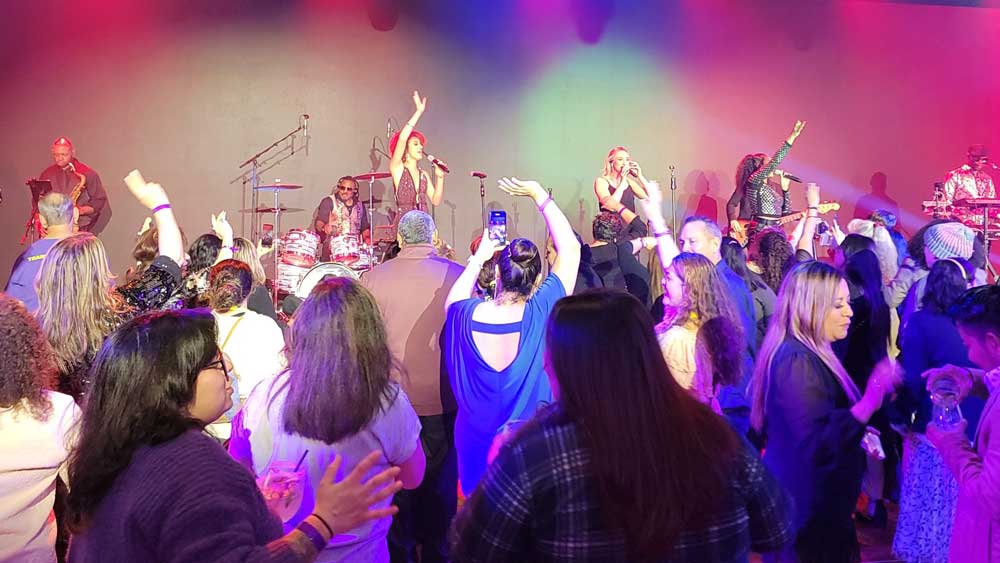
How to Keep Guests Dancing All Night at Your Wedding
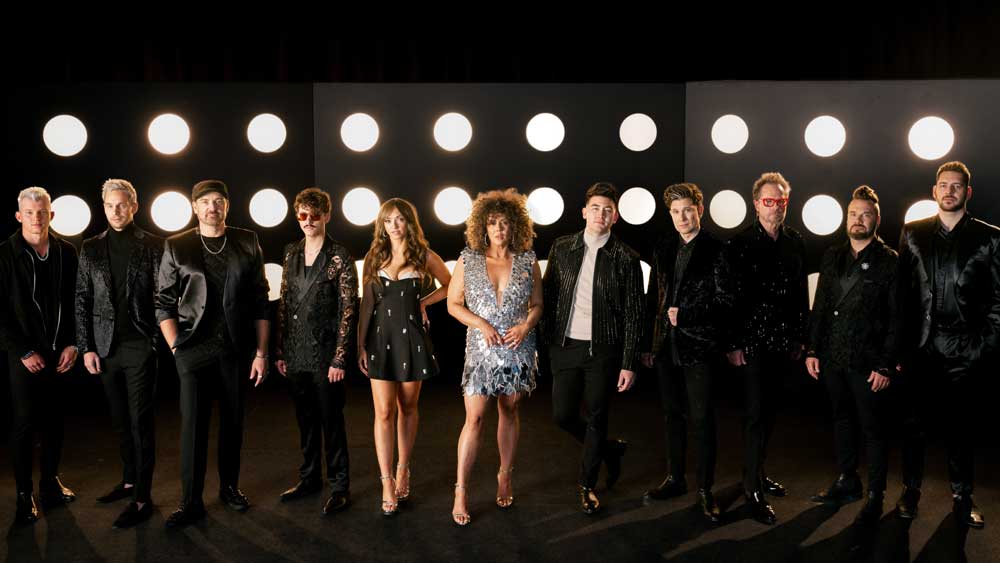
Metro Music Club Band for Wedding Events that Want High Energy Dance Music
Whether your wedding reception is the talk of the town for years to come, or the one your guests will never think about again, comes down to one thing: did the wedding band you hired get them out to the dance floor and keep them there all night long? If you want your wedding guests to have the time of their lives, you need to book a band such as Metro Music Club or Glitterati to deliver a performance that’ll be raved about for a very long time.
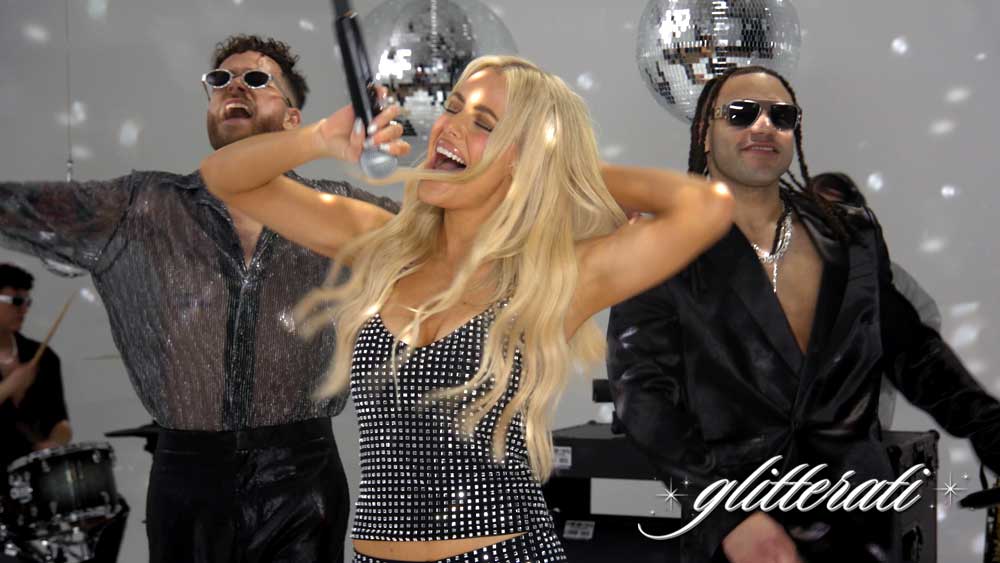
Glitterati is a Live Wedding Dance Band for Receptions that Knows How to Keep the Dance Floor Full
The Core Framework for an All-Night Dance Floor
Don’t think of the dance floor as something to be solved with music; it’s a planning issue, the music is merely the last layer.
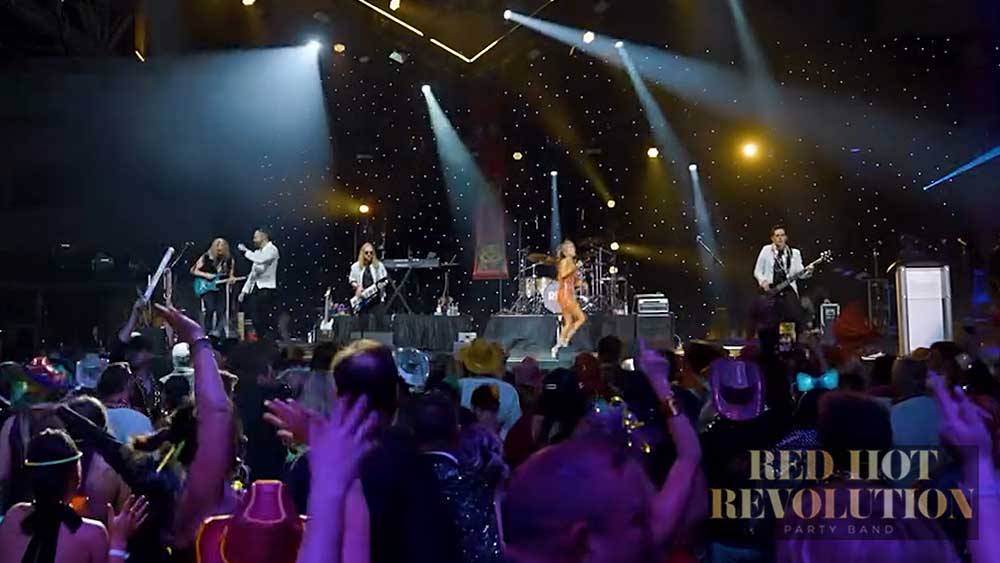
Red Hot Revolution Performs for a Large and Exited Crowd
What makes for a good reception is the interplay of three systems: an environment suited to the occasion, the right live band that’s attuned to the crowd, and the right material. Get one out of kilter and the rest will not make up for it. Red Hot Revolution and Modern Retrospect are two bands that are adept at this sort of thing and will see to it the dance floor is full.
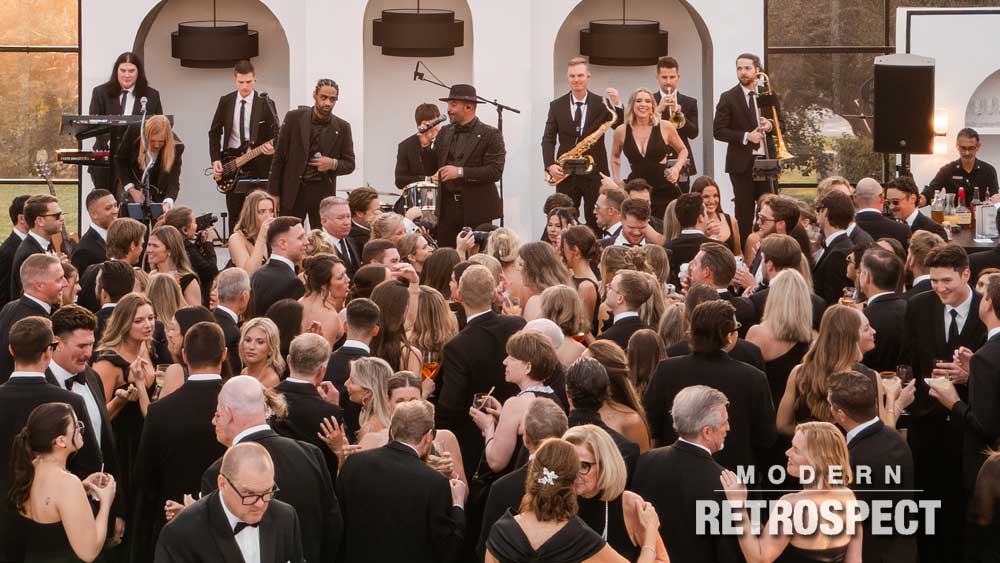
Modern Retrospect is Keeping the Dance Floor Packed at a Celebrity Wedding Party
Wedding couples often overlook a reception’s energy flow. There should be a gradual build to the reception, peak energy when it’s called for, and a quick recovery from any lull. An entertainer with years of experience has an instinct for that arc, while a Spotify playlist does not.
Your checklist for the night ahead:
- Put in an order for a DJ or live band who has done MC work
- Don’t be making too many changes to a band’s setlist, they’re aware of what works and what doesn’t
- Sit down with your live band and put together a timeline for the reception
- Have your lighting plan in place with your music
- Make a walk of the venue to find any acoustic blind spots
- See that beverage service is in step with the entertainment
- Have a strategy to re-engage after the post-dinner lull
We cover each of these in turn below.
Hire a Professional
Who is going to occupy the space behind the microphone is a decision that’ll have the most influence on your dance floor. A professional can read a room as it happens and make the kind of micro-adjustments a playlist never could.
With a DJ you get smoother song transitions and more latitude in music selection. But a live band like Music City Groove creates an atmosphere from their stage presence and performance that’s hard to match. Live entertainment is what guests are going to remember. Green Light Bands offers high-energy performances from studio quality live dance bands that keep dance floors packed from start to finish.
You can also look at credentials, but they’re no substitute for experience with a crowd. Ask your prospective hires: how do you deal with a dance floor that’s thinning? Their responses will be telling.
An Emcee and the Party’s Vibe
Consider an MC a person that connects everything at the reception. The good ones will manage the move from formality to dancing, inform guests without breaking stride and get the passive ones involved. They also know when to let the music do the talking. In your interviews with entertainers, enquire as to their style as an MC; the best will consider it half their job.
Playlist Ideas for the Dance Floor
This is where you can win or lose the dance floor before the night is even underway. The temptation is to use your own favorite songs, but a set list for a wedding reception has to be for the crowd, not you personally. You can certainly include your preferences too, but you also need songs to bring different ages out at different times. Let the band do the heavy lifting on the song list, they’re experienced enough to know what will fly and what will crash and burn.
A Must-Play and Do-Not-Play List
Your must-play list should be very brief, a handful of songs at the most that will be played no matter what. Any more and you’re effectively writing the setlist for your band, hardly the point of hiring a professional and experienced band for the occasion.
Equally short and often neglected is the do-not-play list. It’s there to save the dance floor from being cleared by an ex’s song, too much of the slow stuff (the number one reason dance floors empty), or anything with baggage that will empty a room.
For the Multi-Generational Crowd
You’ll have people from 10 to 80 in attendance. The way to handle it is not to play to everyone at once but to place songs with some thought. Motown, 80s fare or pop from the early 2000s have broad appeal for the first part of open dancing. Put off the more contemporary, high-octane numbers for later once the older guests have made themselves scarce.
Getting People to Dance
There’s no one that wants to be first to the dance floor when open dancing begins, and that’s sometimes the toughest part of a reception. It’s a matter of planning. Don’t allow a dead pause between the first dance and open dancing for momentum’s sake, go straight from a formality with some energy to the floor. Have a couple of friends on hand as “starters” who don’t have to be good dancers, just willing to put in an appearance. After five or six are out there the social barrier is gone and the rest will follow.
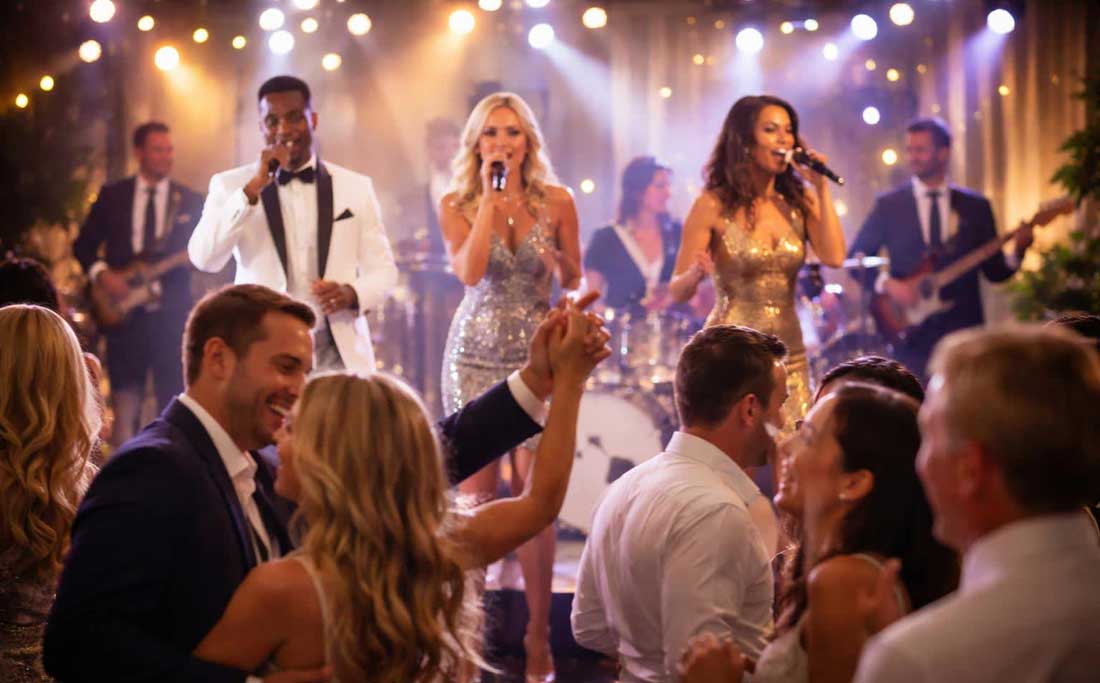
A high-energy live wedding band performing on a lit stage with a packed dance floor of guests dancing and celebrating in a decorated reception hall, warm amber stage lighting illuminating the musicians while colorful uplighting lines the venue walls.
Real Time Adjustments
It’s about watching the floor and not the playlist. A band from Green Light Bands like Rhinestone Rodeo will alter the tempo and energy of their live show according to what they’re seeing, an experience quite unlike what you’d get from a static playlist.
A Wedding Music Timeline for an Evening of Energy
The typical couple will put together a timeline on the basis of logistics: 7 o’clock for dinner, 8:30 to cut the cake and so on. But that’s a catering schedule, not a way to entertain your guests. An effective wedding music timeline is one where energy is put in place deliberately, each part of the evening lending momentum to what comes after.
Cocktail Hour to First Dance: Put the Right Atmosphere in Place
What happens during cocktail hour will be the emotional undercurrent for the rest of the night. Whether it’s jazz, some soft acoustic music or light instrumental music, it should be celebratory and yet not ask for anything from your guests. When the guests are ushered into the reception hall for dinner, let the music pick up a little; it should to be felt but not so much as to get in the way of talking.
Then there’s the first dance, your first big emotional high. Along with the parent dances, first dances are invariably the moments guests will remember. Don’t allow that emotional high to fade away; have your DJ or live wedding band make an immediate transition to open dancing with something to entice people to get out of their seats.
Post-dinner Lulls
Some bands will play a slow set after dinner, but if you book a band from Green Light Bands you’ll put an end to that. Once dinner is done, it’s time for a real crowd-mover that’s high energy. This is the time to have the MC make a direct appeal to the floor to re-engage everyone. If you ever see a secondary lull come on during open dancing, engage your guests with a line dance or a high energy dance hit that will get them back onto the floor.
Lighting and Acoustics: What Couples Overlook
For all the time most couples put into thinking about and planning the music, they will usually give little thought to the environment it’s in. The acoustics and lighting are variables too often ignored in reception planning. A good deal of light on the dance floor makes the space seem made for celebration and gives people license to dance.
Lighting, Strobes and Fog
Lighting is the go-to for any wedding reception. It’s universally suitable and adds a sense of intention to the room by washing the walls in color and giving them depth. With fog machines and strobes you have more impact but they’re dependent on context. A fog machine lends drama to the higher energy parts of the night while strobes are for peak dancing and not to be left running all night long. Also check with the venue beforehand, restrictions apply in some places. In short, use lighting for the duration of the reception, hold the strobes for particular moments and bring out the fog when the dancing is at its best.
Sound and the Venue
Concrete floors, glass, hard surfaces and high ceilings can make for a muddiness and echo that’s chaotic to listen to. Make a point of walking the venue prior to the event to spot any acoustic blind spots and tell your wedding band about them. Where the speakers are put in relation to reflective surfaces will be the difference in how the sound is perceived.
Alcohol and Props
You’ll not find much in a wedding guide on the timing of drinks or the matter of props on the dance floor, yet they’re things worth considering.
Have the bar open the minute guests come into the reception hall. If there’s a 20-minute void in service between dinner and dancing you’re looking for a slow start.
As for dance floor props such as LED or glow sticks, they’re an underrated means of getting physical participation. Hand them out as you move into the high-energy dancing portion of the reception. There’s a visual effect to 50 people with a glow stick in hand that becomes a loop of its own making; it looks like fun and others will want to join in. Such interactive elements are proven to drive up participation rates.
Mistakes that Empty the Dance Floor
Failures on the dance floor usually come down to a select few things.
Mistake 1: Failing to plan the music with the band or DJ.
They need the details of the venue and your timeline well before the day. Thirty minutes on the phone will head off most trouble.
Mistake 2: Allowing the formalities to drag on.
Every extra minute of toasts or a slideshow is another minute of dancing momentum that goes poof. Impose limits on toasts, speeches, and slideshows, and make sure all relevant parties know about them.
Mistake 3: An ill-placed dance floor.
A dance floor in a corner or away from the bar is never going to do well. Guests will dance where it’s convenient.
Mistake 4: Not testing the sound during the venue walkthrough.
Test the sound setup during your venue walkthrough, not during the reception.
Mistake 5: Going by price when choosing entertainment.
The entertainer is the single biggest factor in having a successful dance floor, this is no time to be a penny pincher.
Mistake 6: Not letting guests know of your timeline.
If an MC or a note placed in the program says dancing is at 8:30, people will plan for it, reducing or eliminating early exits.
These are failures of planning. The busyness of the dance floor is determined long before the opening song.
To have the dance floor full for the duration of the night takes more than a playlist, it calls for a structured timeline, good preparation of the venue and the right wedding music band. Green Light Bands has the exclusive live wedding bands that deliver performances of the highest energy, creating receptions that are not forgotten. Contact us at Green Light Bands and we’ll help you book a band for your wedding that your guests won’t be able to stop raving about.
Questions We’ve Heard about Wedding Dance Floors
What’s the secret to a dance floor that doesn’t empty out for the duration of a reception?
It’s a matter of hiring the right live party band, a music timeline with good pacing and some good energy management. A professional band from Green Light Bands will know how to put on a great show, make the transitions smooth and read the room. You can build up the momentum with high-energy numbers after dinner, starting from cocktail hour. Be sure to fill in any voids when toasts or cake cutting are in progress and proactively deal with the lull that follows dinner; lighting effects are a good way to let it be known the party’s in full swing.
Which songs have a way of getting everyone onto the floor?
A well planned playlist for a wedding reception will have something for all generations, an amalgam of what’s current along with some old standbys. With the right song list, it’s possible to coax even the most reluctant guests from their chair. Begin the night on a feel-good note with something familiar and work your way up to peak energy as the evening wears on. Then there are the tried and true crowd pleasers such as an Earth, Wind & Fire’s ‘September’ or Queen’s ‘Don’t Stop Me Now’, not to mention Top 40 dance hits.
Are you curious about the average cost of a wedding?
For figures on the price by state, what you can expect to pay a photographer or videographer, how many weddings are held in a year and so forth, these wedding statistics are worth a look.
Is a DJ or live band better for keeping the guests dancing?
You can hire either and still have a full dance floor, though the experience will vary. For a large reception a live wedding band brings an electric quality and a level of interaction with the crowd no recording can equal. On the other hand, a DJ has the advantage of being able to move between genres and songs without a hitch. Make your choice based on the vibe you’re after, the makeup of your guest list and the size of the venue.
How do you get guests out on the dance floor when they’re reluctant?
An active approach from the band or DJ is preferable to simply turning on the music. Let a capable MC or front man put a name to a group and draw them in with call-and-response during an upbeat song. Some props in the form of maracas or glow sticks don’t hurt. And if the first set is short and to the point with universally appealing material, it’s easier for a reluctant dancer to make themselves at home.