

2026 Guide to the Best Live Entertainment for Festivals
There’s a world of difference between a forgettable afternoon and a sold-out festival that will be the talk of the town for years to come. And it all depends on the live entertainment you hire. Green Light Bands has been instrumental in putting together lineups with such impact for festivals up and down the country. We’re going to cover the types of entertainment you should be booking, the ins and outs of negotiation and management, and the budgetary and logistical truths that are usually left out of planning manuals.
What Makes or Breaks Events: the Best Live Entertainment for Festivals
Your entertainment is what will drive festival attendance. When it comes to whether or not people come back next year, the quality of the entertainment you book is invariably the deciding factor. You can have the most inventive branding and top food vendors but they won’t make up for a program that’s weak or at odds with the event. The bands below have the festival pedigree to put on an amazing show for crowds in any city:
Red Hot Revolution: Explosive, dynamic and show-stopping in an unforgettable way.

Red Hot Revolution Brings the Crowds at Festival Community Events
Liquid Blue: High-energy and sophisticated music entertainment from an elite, award-winning act.
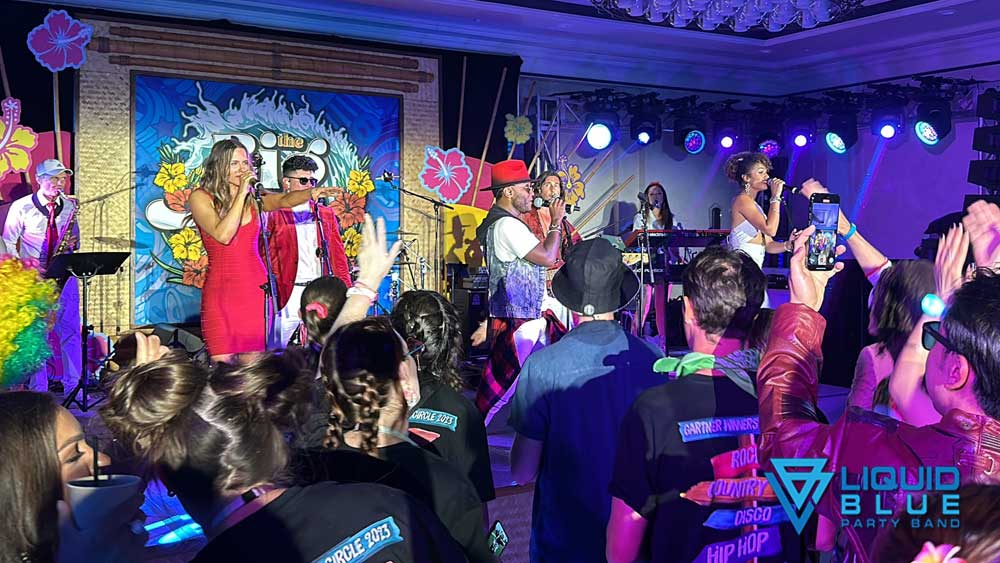
Liquid Blue Party Band for Community Parties and Events
Modern Retrospect: A premium, hip and contemporary music experience that’s as engaging as it is energetic.
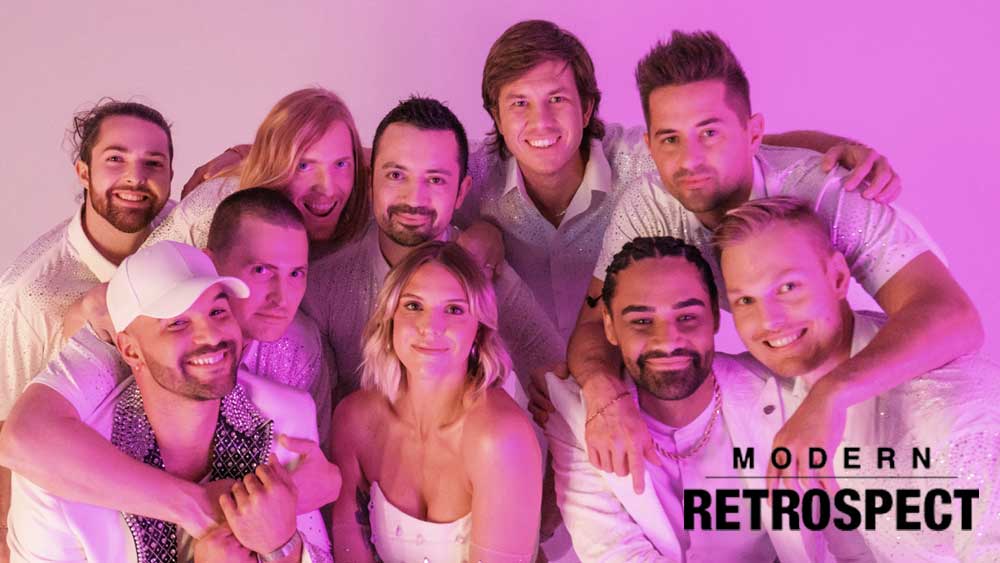
Modern Retrospect is a Popular Addition to any Festival, Fair, or Community Event
Your entertainment budget is your main marketing expenditure, not just a cost. A good headliner or specialty act will earn you press and word-of-mouth, something no ad buy can do. Yet it’s easy to fall into the trap of putting your whole budget toward just one or two big names and then having a thin program to show for it. Most of a crowd’s time is spent in between the stage sets; if those hours are unfulfilling the experience is diminished, whether you have a headliner or not.
Booking entertainment without a clear idea of who your audience will be is the fastest way to waste your event budget. A country tribute act that kills at a rural county fair may land flat at an urban food festival. Figure out who will be attending your event before you contact a booking agency.
Some Unique Ideas for Festival Entertainment
A well-constructed lineup will have several categories of entertainment so the grounds are never without something of interest. View the festival map in terms of zones, each with a different pace.
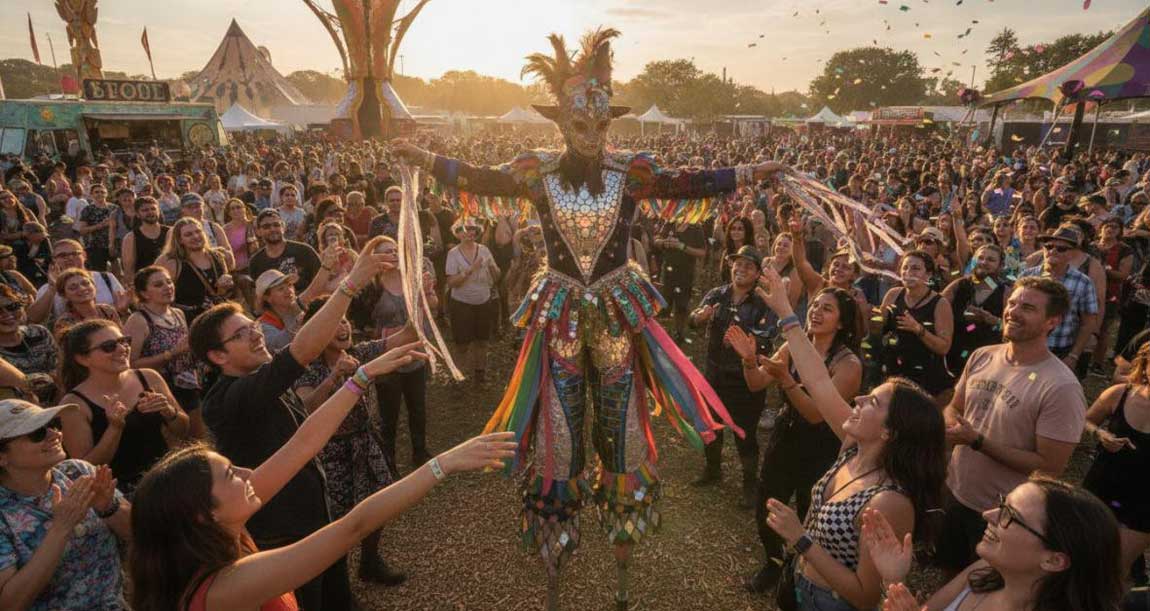
A diverse festival crowd actively surrounding a roaming walkabout performer in a vibrant oversized costume, laughing and reaching out to interact, in a sunlit outdoor festival field with colorful vendor tents in the background.
Live Music
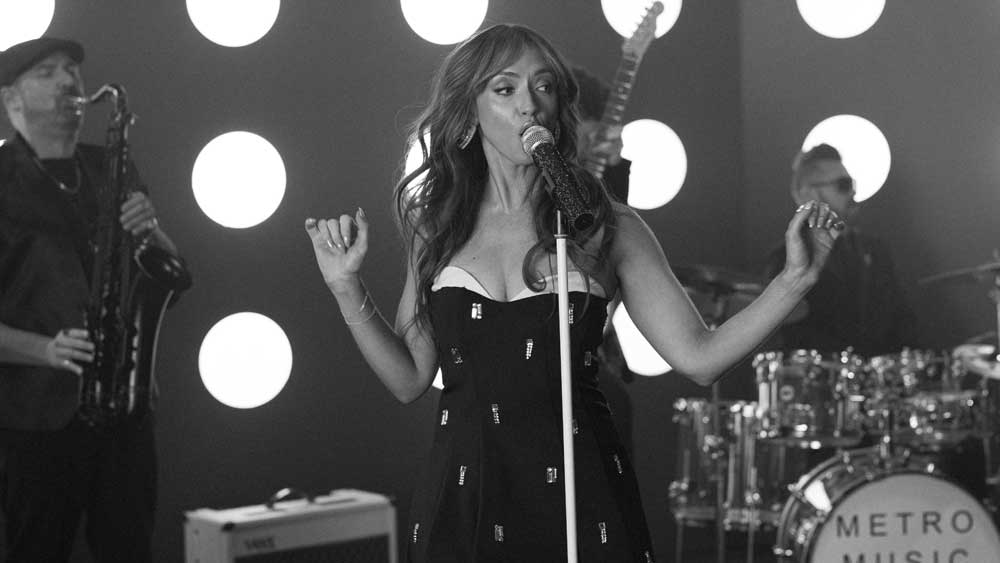
Metro Music Club is In-Demand for Community Festivals
Live music most often becomes the identity of the event. Green Light Bands can supply world-class talent like Metro Music Club and Party Echelon for festivals that require versatility on its stages; they do Top 40, jazz, classic rock, Motown, bluegrass and country with equal aplomb.
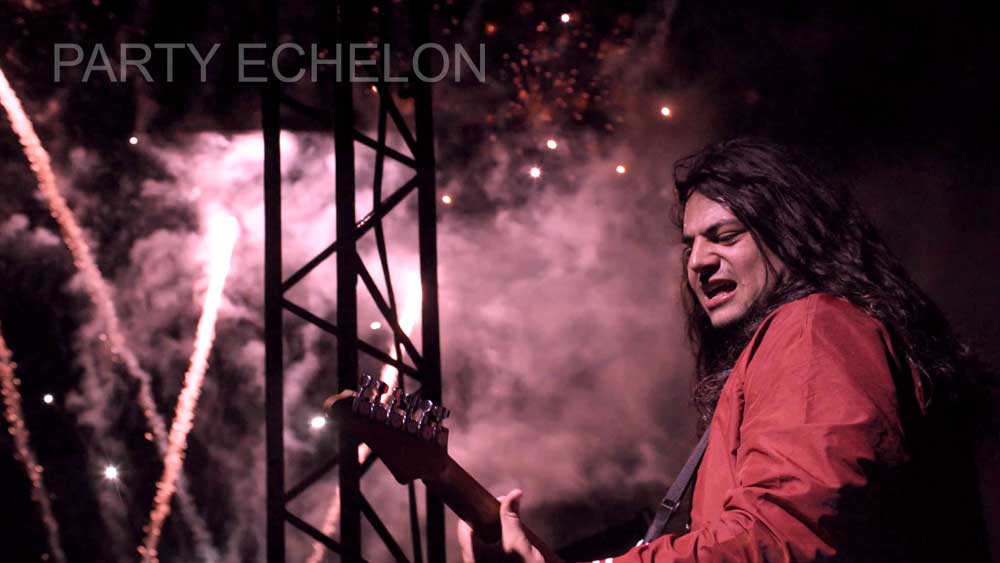
Party Echelon Performs for a July 4th City Festival
Tribute acts are another great form of entertainment for festivals. The Jerseys Four Seasons Tribute and the Motones Motown Tribute offer a great deal of value (and both can be seen in an entertaining show called Motones vs Jerseys). They will appeal to a crowd that a cover band may not, and for far less money than a touring act. Bands that can work rock, country and Top 40 in one set are worth their weight in gold for a mixed crowd, eliminating the dead zone between performances.
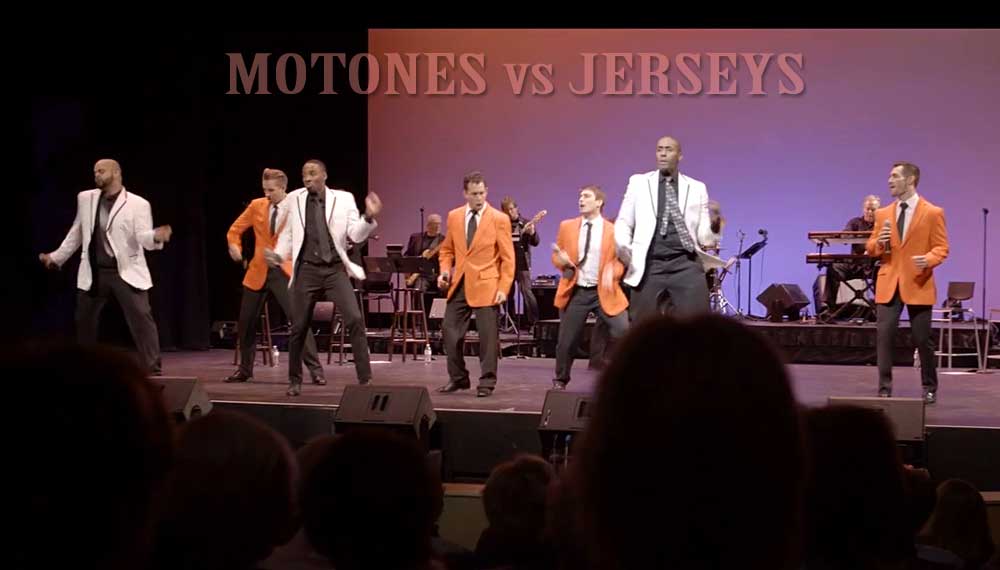
Motones vs The Jerseys: Tribute Bands for Fairs and Festivals
Roaming and Interactive
Roaming entertainment is great to maintain energy between the stages. Stilt walkers, living statues and other walkabout types are entertainment options that guests will be putting on social media. But make sure the performer has a clear zone and manner of interaction; one and the same person who is a delight on an open lawn might cause friction in a narrow vendor corridor. Interactive activities like photo booths, craft stations, and participatory art installations are good for extending dwell time and avoiding the empty field look at a smaller festival.
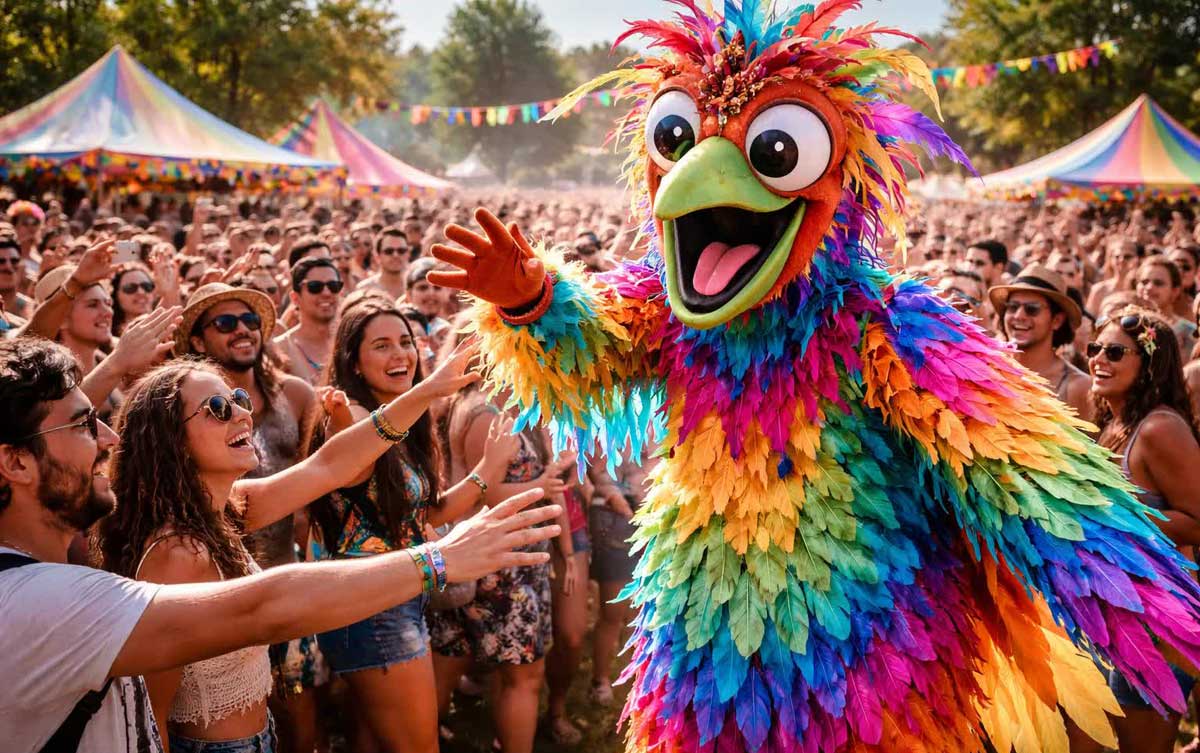
A performer in a large, colorful bird costume roams through the excited crowd as they hold out their hands for the entertainer. Family friendly roaming entertainment keeps the energy alive.
For the Family
Families are a revenue stream; with children’s entertainment and programming they’ll put in more hours and spend accordingly. Add face painting, juggling and puppet shows to the schedule to coincide with when families arrive.
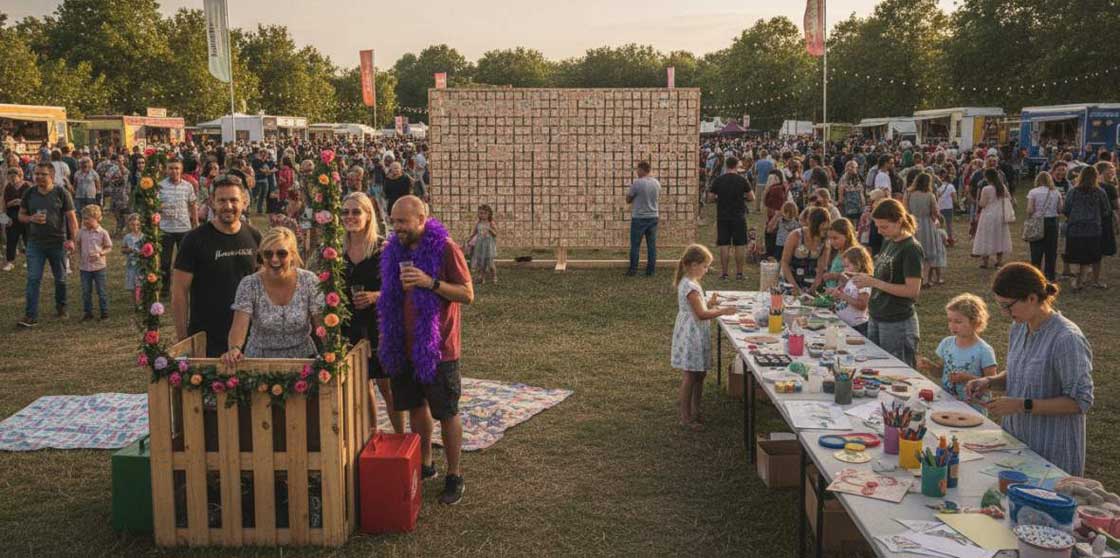
Interactive family friendly festival activities can include craft stations, workshops, puppet shows, storytelling, face painting, and more.
Comedy and Specialty
Magicians, aerialists and comedy acts lend themselves to being shared on social media. There’s little that’ll give you more content per dollar than a fire show at dusk. Circus performers and physical comedy require minimal technical setup and yet will hold a crowd in between the main stage shows.
Cultural and Visual
World music ensembles and traditional dance companies bring an authenticity to events and can be the key to community partnerships and grant funding. And mid-tier budgets can now accommodate the visual spectacular of pyrotechnics, projection mapping and drone displays. The International Live Events Association notes that these types of elements are seeing the most growth in investment.
Lawn Games and Agricultural Shows
Don’t overlook the advantages of an educational show or a demonstration of food production for county fairs, harvest festivals, and community events. Or have some lawn games and a tournament with a prize for those wanting a more laid-back time; it puts a competitive spin on things that passive entertainment does not. It gives the event a feeling of discovery.
Booking the Performers
An efficient process is what allows an event to secure first choice of acts instead of being in a rush to plug holes before the gates are due to open.
- Put your entertainment budget in order by category, with separate allocations for non-musical entertainment, support and headliners, before talking to agencies.
- Get to know your audience: age, family make-up, musical tastes.
- Make a formal offer with venue capacity, stage specs, date and what you can put on the table.
- See to the contracts and negotiate the technical rider, payment and any cancellation clauses.
- Get the logistics in order: sound check times, green room needs, load-in schedules and so on.
- Be sure to put technical riders in the hands of your production team no later than 6-8 weeks out from the event.
Technical Rider and Logistical Essentials
Then there’s the matter of technical riders and what they cover. They’re a performer’s way of spelling out precise production needs down to the backline gear, stage size, lighting and power supply. A failure to follow them can lead to production problems on the day of the show, so make it a point for your team to go over every tech rider before a contract is ever signed.
With event production software such as FestivalPro you can put scheduling, vendor settlements and artist management forms all under the same roof, which is not a bad thing when running a festival with dozens of acts.
Before you book, these are the things to check off:
- The minimums for stage size and load-bearing
- Power specs (amperage, dedicated circuits, phase)
- Any preference for audio console brand or model
- In-ear monitoring and how the monitors are to be set up
- Follow-spot placement and the like for the lighting rig
- What backline the venue is to provide and what’s required of them
- Connectivity for digital audio workstations
- Internet access
Festival Entertainment Budgeting for ROI
Don’t budget by category but by the impact zone. The headliner on the main stage is what sells tickets so he or she takes the lion’s share of the budget. Roaming and interactive pieces may sell fewer tickets, but often put out an inordinate amount of material on social media. Secondary acts are there to keep people from going home.
For a regional festival a tribute act is hard to beat in terms of cost-to-crowd-draw. What budgets tend to short-change is the infrastructure of production; a headliner with a reasonable fee could end up costing 30-40% more once you factor in the extra crew and any stage upgrades called for. Look at the total production cost, not the booking fee alone.
Strategies for High Energy Crowd Engagement
The best live entertainment for festivals does not ensure crowd engagement, it has to be designed. The mid-afternoon lull from 2 PM to 5 PM is where most festivals see their energy wane and where secondary programming and roaming entertainers are at their most useful.
Some ways to stave off that lull time:
- Have set times staggered from one stage to another
- Put performers in high-traffic spots for changeovers
- Let the MC or host stir up some anticipation for what’s next
- Work some call-and-response or sing-alongs into the main stage
- Locate interactive activities on the path between food vendors and stages
And don’t overlook the VIP lounge or meet-and-greet. Aside from the revenue they bring in they add some excitement to the event.
What Post-Pandemic Crowds Are Like
Audiences are back but with less patience for dead time and more exacting standards on production. Pollstar’s analysis of the live music industry says that while attendance has made a full recovery in most places, expectations are measurably up from 2019. Plan accordingly for a few changes in behavior:
- Changeover times of 20 minutes or more on the main stage will be seen as disorganized where in 2019 they were fine. Fill the time with an MC or some roaming act.
- People want to create content. Put “content moments” in the program, be it a confetti drop, a drone show or a distinctive backdrop and the organic social reach will be there for the taking.
- There’s a sensitivity to density now. A layout with a number of viewing areas at different levels of density will accommodate a wider range of comfort.
Sustainability
It’s a priority that’s only growing, and corporate sponsors and grant funders may want to know what your environmental practices are before they put money on the table. In your entertainment programming you can:
- Make a point of asking for LED rigs and generators with better fuel economy in the technical rider.
- Cut back on single-use items in the green room.
- Find acts with sustainability credentials for co-marketing with like-minded sponsors.
A Framework for Picking the Best Live Entertainment for Festivals
Your audience, the venue, your budget and the identity of the event should all be in alignment with the live entertainment you hire.
Step 1: Know your audience. Make a note of the primary and secondary demographics you’re after and let that guide your bookings.
Step 2: Put your entertainment zones on the map. Main and secondary stages, kids zones, roaming areas. Proportion the budget to the attendance they’ll draw.
Step 3: Get your anchors in place. Book the headliner and perhaps a couple of secondary ones first; they will set the tone for the rest of your decisions.
Step 4: Once the main acts are done, look for any dead zones or gaps and put in some walkabout or specialty acts.
Step 5: Before you sign a contract, put the technical rider of each act to the test against your infrastructure.
Step 6: Have a contingency plan. A backup for the main stage and something to cover unforeseen gaps in the roaming schedule.
To build a lineup that delivers you need to be intentional with every hour of the event day and respect your production limits. Green Light Bands has a roster of exclusive live bands that put on good shows for excited crowds at festivals all across America. With professional sound and production suited to a festival setting and setlists to suit all ages, their performances have the kind of energy that can hold a crowd from the opening set to the last encore. Get in touch with Green Light Bands and put together a festival lineup your audience will want to return to year after year.
FAQ
Which forms of live entertainment are in vogue at festivals?
You’ll find the best and most popular festival fare is live music, from headliners and well known cover bands to tribute and genre acts. Roaming or walkabout talent, comedy and specialty numbers, cultural groups and such are also a staple, as are lawn games and other interactive pursuits. A good festival lineup will have its main stage taken over by a top live band, but also spread out non-musical entertainment in different parts of the venue to hold the crowd’s interest and cater to all ages over the course of a full day.
What’s the process for selecting entertainment for a music festival?
You need to begin with an understanding of the venue, the event budget and who the audience is. Put your main stage headliners in place first; they’re what your marketing and venue calendar will be built on. The rest of the slots can be taken up by specialty and roaming performers or a tribute act. Make sure to go over tech riders at an early stage since sound and power can be quite different from one performer to the next. There’s much to be said for enlisting a booking agency that has years of experience supplying top entertainment for festivals. They will handle the contract work as well as negotiations with artists.
Any unique ideas for festival entertainment that are not live music?
For something a little different there are stilt walkers and living statues among the interactive roving performers, or you might put on a cultural or world performance. Live art, agricultural shows and VIP lounge meet-and-greets are options, as are some visual spectacle in the form of fire or aerial displays. Family oriented outdoor festivals in particular can use lawn games and similar activities to inject some energy into every hour between music sets on the main stage.
What kind of budget is needed for festival entertainment?
The scale of the festival will be the deciding factor with this, but it’s sensible to put 40 to 60 per cent of the total event budget toward production and talent. Book the headliners before anything else given their fees, and make do with what’s left. Don’t forget the costs of the technical rider, staging, backline and power which run to 15-25 per cent in addition to what the performer is paid. For a better return on your booking dollar in terms of engaging the crowd, roaming and interactive types of acts are generally more economical.
How do you keep crowds occupied while waiting for the next main act?
A couple of ways to do it is to have walkabout performers put on a show in the crowd areas or add some lawn games. Secondary stages with a soundtrack of live music will help set the tone. Setting clear signs out for the non-musical zones is useful too. Since the post-pandemic crowd has an appetite for participation, it’s best to hire acts where the audience can get involved instead of just watch, in order to keep the energy up for the whole day.