
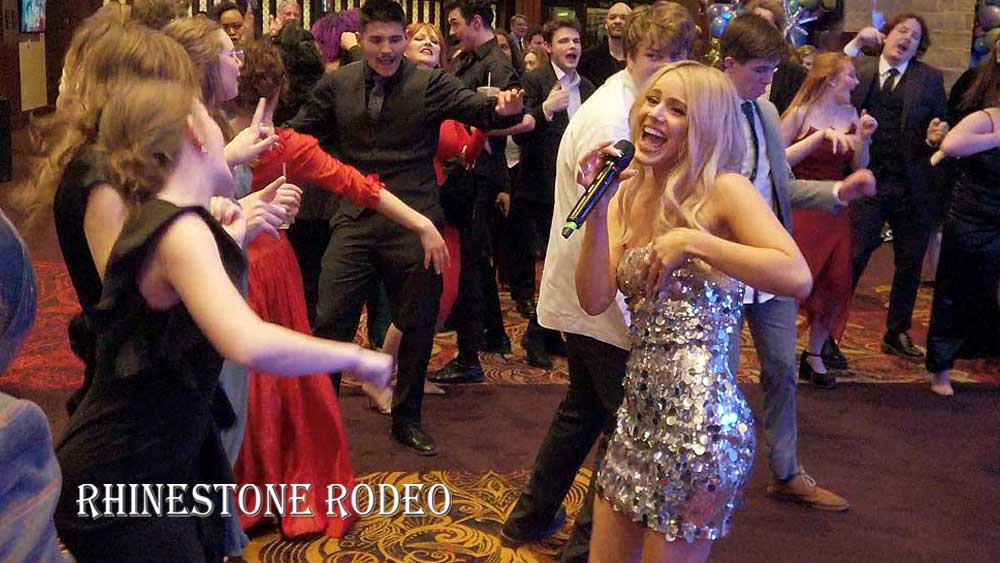
7 Proven Tactics to Keep Your Wedding Dance Floor Full
To keep your wedding dance floor full from start to finish you need to start with a plan. Choose your songs wisely, have proper lighting, think about the types of music styles your guests like, and come up with ideas just in case your dance floor empties unexpectedly.

Metro Music Club for Unforgettable Weddings
At Green Light Bands we’ve seen what makes a wedding work time and again with live bands such as Metro Music Club or Red Hot Revolution. It’s not a matter of luck when guests are up on the floor dancing; it all comes down to hiring a good live band with experience and energy.

Red Hot Revolution Keeps Dance Floors Packed
You’ll find couples who think all they need is a DJ and a good song list. They’re mistaken. The venues with a dance floor in full swing all night do so by means of tactics that are more than just picking the right song. We’re going to lay out seven approaches here that’ll keep your wedding dance floor full no matter what size the venue is or the musical taste of your guests.
Lay the Proper Groundwork
Whether people head to the dance floor or remain at their tables is dictated by your reception timeline, the lighting and the way the venue is laid out. Put the dance floor in a dark corner half a football field away from the bar and you’re asking your guests to make a conscious decision to go to the dance floor. They won’t. Make it the obvious choice by having it well-lit and near the bar.
Think about where the dance floor should be before you engage a live band. It ought to be in the path of foot traffic and in view of the dinner tables and the bar. And make sure the lighting is designed to put eyes on it.
Let a Professional Read the Room
An entertainer does more than put on music. A DJ or live band with a reputation for keeping the dance floor full has a sixth sense for the energy in the room and makes their calls in real time as to what’s needed next. They have the instinct to know when to put a floor-filler on before anyone has a chance to vacate the premises and when to ease off with the slow stuff.
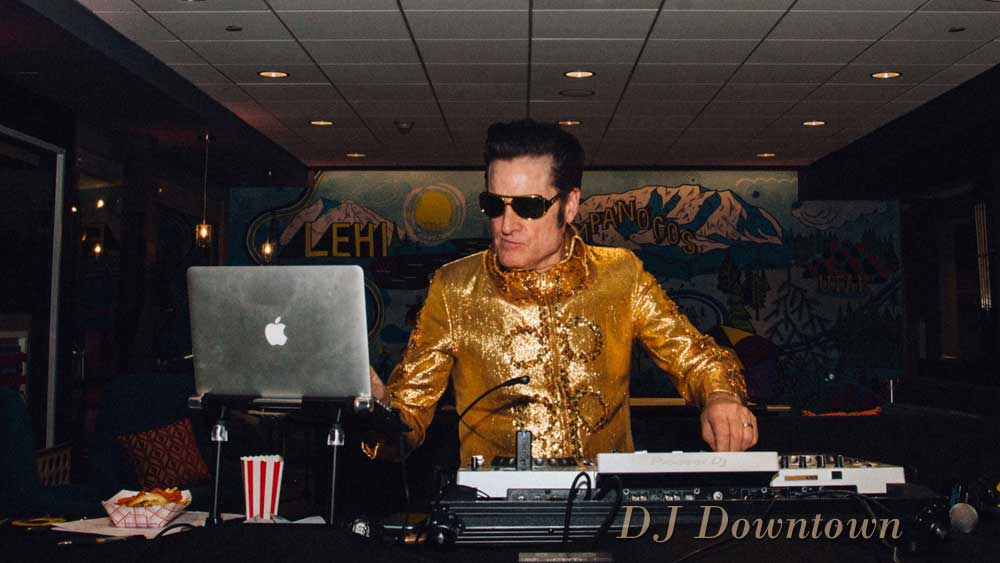
DJ Downtown is keeping the dance floor buzzing with high energy live music while wedding guests are having fun under a disco ball.
Green Light Bands offers the best high-energy bands who are good at their job, keeping the event moving and the crowd engaged. Our roster has musicians well-versed in Top 40, jazz, country, classic rock and more who are adept at reading crowd dynamics. They don’t stick to a setlist if your guests are telling them otherwise. When you’re looking at music entertainment, put them to the test on how they handle slow songs and what their experience is in keeping things active. You’ll get a feel for whether they grasp the finer points of a reception.
Selecting Songs That Will Move Any Age Group
Here is where a wedding couple can err. Some couples put together a playlist to suit themselves and leave it at that. The best dance songs are those that put diverse groups in motion, not what you happen to like.
For a playlist with real engagement there has to be a rhythm to it. Incredible wedding reception dance bands will open with something of high energy that’s hard to pass up. Once your guests are warmed up in the middle of the evening they’re more amenable to something a little off the beaten path, so throw in an adventurous number for every two sure-fire hits. Then in the last hour, when the energy might wane with lesser bands, the wedding reception band should bring out the big guns and close with a crowd-pleaser.
On the subject of song selection and the psychology of the crowd, dancing is but one of the options at a wedding. You want to give people social permission to do it. A tune that’s familiar to 80 per cent of your guests will put more of them on the floor than one that is a favorite of yours or with a small segment of your guests. As for tempo, 120 to 130 BPM is the sweet spot for a wedding; anything under 100 and you’ll be clearing the floor, hence the need for a band to be judicious with the slower numbers.
Have a Do-Not-Play List
What you don’t play is almost as important as what you do. Consider a do-not-play list your insurance. Name three or so songs you don’t care to hear come the reception, but any more and you hamper the band’s ability to read the room and send people home. If you have an urge to micro manage the talent, hire a DJ.
Make it known to your band or DJ how you want requests to be dealt with. Collaboration is the way to go with your DJ. Put it to them like this: “We’re happy to put our trust in you when it comes to requests. Should a guest ask for something that would dampen the energy on the floor, we have no objection to you playing a more fitting alternative.” In this way you are allowing your entertainer to be the guardian of your reception’s momentum and at the same time giving guests the music they want to hear.
Wedding DJ Song Requests: Setting Expectations and Boundaries
There’s a fine line with song requests; while they make guests feel acknowledged, they can also be an invitation for someone to call for a tune that will empty the dance floor at an inopportune time. Make your expectations known from the start. When you sit down for your first consultation with the DJ, lay out how you view requests. A hybrid method works well for some couples: requests are welcome but the DJ is expected to apply his or her professional judgment as to what is suitable and when.
You can also put together a list of songs you would like to have played and hand it over to your DJ as a kind of request list, not an edict. It shows that you’re amenable to requests but puts the focus on songs you know will do the job.
Strategic Dance Floor Placement and Venue Layout Optimization
Whether your guests make a point of dancing or simply drift toward the dance floor is a function of where you put the dance floor. You want it well-lit and in plain sight of the bar, ideally in between the bar area and the dinner tables. Put some thought into the layout with your venue as you plan. Take a walk through and put yourself in your guests’ shoes: is this a place you would naturally go?
Bar Proximity and Beverage Logistics
Most couples don’t appreciate just how important it is to have the bar near the dance floor. Dancers get thirsty. And if the bar is at the other end of the room, they face the prospect of leaving the floor for a drink and not coming back. An adjacent or visible bar is preferable. See that your venue has beverage service on hand for the hours you’ll be dancing.
Lighting and Atmosphere Can Help Keep Your Dance Floor Full
For an atmosphere conducive to dancing, lighting is indispensable. Nothing says uninviting like a dance floor under the glare of fluorescents. Warm lighting with a few spotlights and effects makes it a destination of sorts.
Layered effects are what you want from a wedding dance floor. Set the mood with your base lighting and then let moving spotlights do their thing on the band or DJ. If the budget is there, add some projection mapping or LED sticks. The idea is to be visually interesting without being overbearing. The lighting should be in step with the music provided by your venue or band, softening for a slower number and ramping up as the energy does.
Wedding Reception Timeline for Dancing: Peak Hours and Transitions
How you schedule the dancing on your reception timeline will have a bearing on how populated the floor is. Some couples leave it too late; after a protracted dinner and endless toasts, dancing may not be on the agenda until 9 or 10 p.m. by which time any momentum is gone and the older guests are already done in or gone altogether.
Get the dancing started sooner. A couple might have some floor-fillers and background music during the meal, or put in the first dance earlier in the evening to let everyone know it’s part of the festivities. Between 8 and 10 p.m. is prime time; guests are fed and in the mood to move, so play your most rousing material then and make your announcements at natural lulls in the evening.
Bonus Tactics: Emergency Floor-Savers and Inclusive Song Selection
If the dance floor starts to empty despite your best efforts, you probably didn’t hire a live band from Green Light Bands, so it’s time for some emergency tactics. Keep 3 to 5 emergency floor-savers on hand, tracks with a history of getting people up and about.
Then there’s the matter of inclusive song selection, something that’s too often ignored. Don’t put together a playlist that will focus on just one music style or era, and that will alienate half your guests. Be mindful of the mix of your guest list and make sure the music is varied accordingly.
These seven tactics in concert are what’ll keep your wedding dance floor full all night from a floor that’s deserted by nine o’clock. From the music entertainment to the layout and timing of the reception, it’s all a factor in whether your guests are inclined to dance.
Green Light Bands is very experienced at making these elements harmonize. Their musicians know how to read a crowd and put on a high-energy show to make sure the dance floor stays full. To find a live wedding band with the talent to provide the kind of energetic dance music your wedding calls for, and make your wedding reception an occasion to remember, we invite you to look over the information we have available.
Some Questions We are Often Asked
What’s the best way to get people on the dance floor for a wedding?
Timing is the key, so don’t open the floor right after dinner, wait until you have some peak energy. Hire a live wedding band or DJ that can read a room and make a gradual move to the kind of songs that will be well received. Have the bridal party go first to build some momentum and let the lighting and music choices do the rest. The location of the dance floor is also of consequence; it should be in close quarters to the bar and where everyone is congregating. But above all, choose your music with an eye to all ages and genres so the whole night is inclusive.
What is the ideal reception schedule for dancing if you want to keep the energy up?
Set the tone with the first dance and some romantic, slower fare while they’re at dinner. As you get to the cake cutting and the bridal party dances, work in some mid-tempo crowd-pleasers. You’ll find the heaviest dancing 1 to 2 hours into the evening, so reserve the current hits and high-energy numbers for then. Don’t play slow songs back to back as that saps any momentum you may have. A good break here and there lets guests have a drink and come back to it. In the final hour put on something to rouse them before they leave.
Is a do-not-play list in order for my DJ?
It’s a good way to stave off awkwardness and keep things moving. Drop anything with explicit content or negative connotations, or what might be offensive to some of the guests. But 5 or so is enough, do not overdo it. Better yet, be clear with your DJ from the outset as to the genre and energy you want. A professional will take that as a guide and work the crowd as they see fit. There’s no need to micromanage every selection, let them apply their expertise to see that the dance floor is engaged.
And when the slow stuff comes on, how do you ensure the floor stays full?
Do not put two slow songs on in a row. Make slow songs count for an anniversary or couple’s dance, not just for the sake of it. Keep them short and have the DJ or band make a quick switch to something with more energy. The parents and bridal party can be drawn in for these. Your DJ should have an understanding of crowd psychology and treat a slow song as a natural pause rather than an impediment to the flow. Time them well around the peak hours, not in a window where you’re trying to build energy.