
10 Tips for a High Energy Wedding Dance Floor
The dance floor is what will make or break your wedding reception. Green Light Bands has put together this guide with 10 tips for creating a high energy party for your guests, from music and venue layout to crowd psychology and the sort of technicalities couples often overlook until it’s too late. You don’t end up with a dance floor full of energy by luck; it’s something you create with some forethought weeks ahead of time. We’re going to help you produce a full dance floor in ways you won’t find in other planning guides.
How to Put Some Life In Your Wedding Dance Floor
Think of the dance floor as the fun center of the reception. The flowers, food and speeches are all fine for setting the scene, but it’s on the dance floor where guests will be making memories they’ll be talking about for years. For that reason we recommend hiring an incredible wedding band from our stable at Green Light Bands. Here is a sampling of some of our top live wedding bands:
Modern Retrospect: Known for their interactive approach and an excitement you’ll never forget:
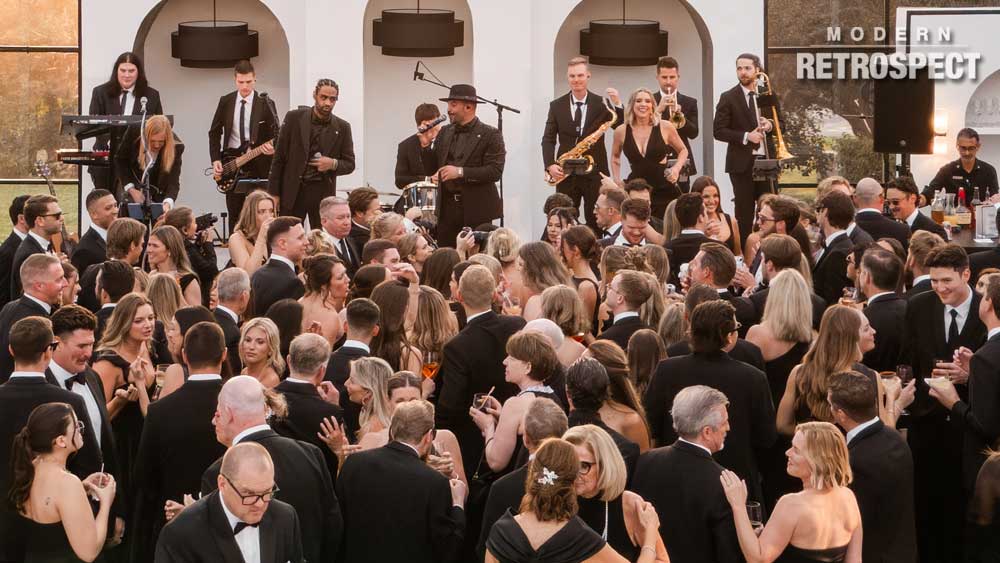
Modern Retrospect Performs at a Celebrity Wedding with the Dance Floor Buzzing
Rhinestone Rodeo: A country-pop band that’s in demand for the energy they generate on the dance floor:
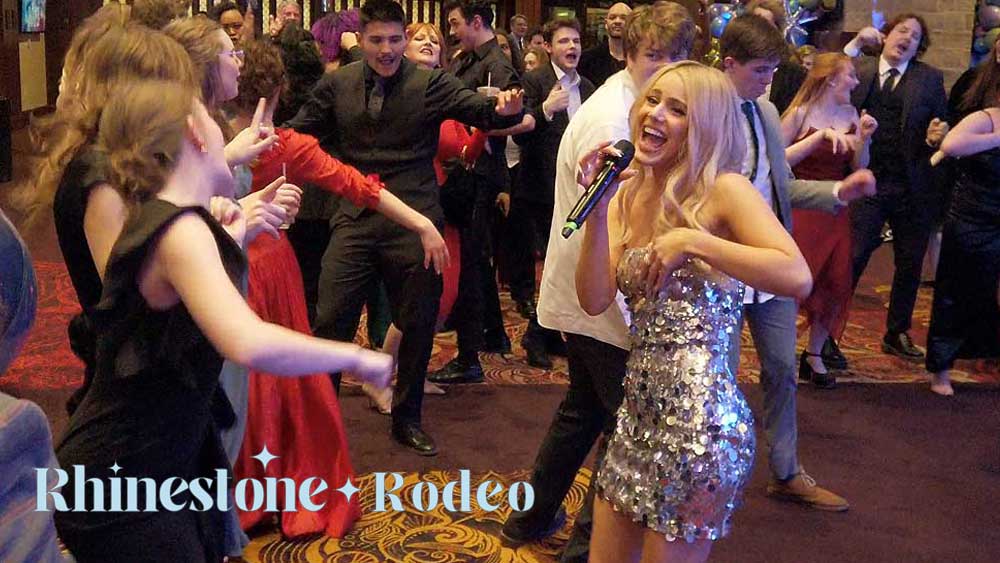
Rhinestone Rodeo Interacting on the Dance Floor with Guests
Red Hot Revolution: An explosive wedding party band with powerhouse vocals that drive wedding celebrations:

Red Hot Revolution Packs the Dance Floor at Wedding Parties
Party Echelon: Elite in both style and talent, a luxury option for a high energy night:
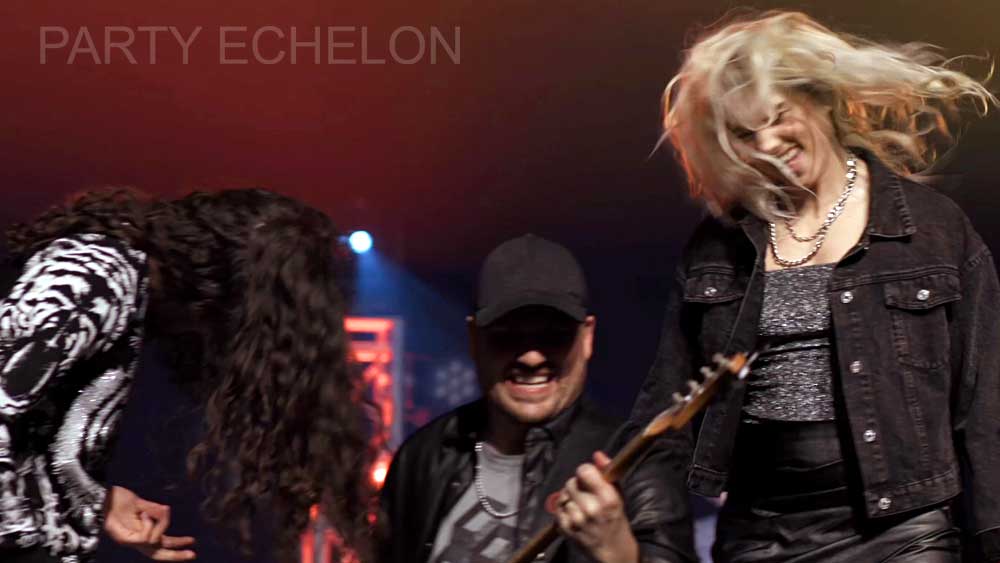
Party Echelon: High Energy Wedding Band for Receptions
Music City Groove: A wedding dance band with the musical polish and upbeat sensibility to please any crowd:

Music City Groove: Popular Wedding Band with Three Lead Vocalists
Most would have you believe the dance floor is one thing to be optimized, but it’s a system. There’s interplay between the band, the music, the lighting, the timing and how you manage the crowd. With just one or two of these pieces in place, you can still have your guests sitting at their tables with their eyes glued to their phones. It all comes down to three things: the physical space, the entertainment you hire, and the timeline of the reception. Get those right and the party will take care of itself. Not so much if you miss even one.
Then there’s the question of the wedding couple’s taste in music, the size of the venue and the ages of the guests. No amount of a generic playlist or a bar situated on the far side of the room from the dancing will do. Our tips below recognize these as the connected issues they are.
Tips 1-3: Laying the Groundwork
You want your dance floor to have momentum and energy from the get-go without needing to fight to get guests out onto the dance floor for the first hour. It’s a matter of having the right foundation.
Tip 1: Engage a Pro Who Can Read the Room
The music entertainment you hire is the most important call you’ll make. Any pre-packaged playlist cannot compare to a professional live band that knows how to read a crowd in real time. The wedding bands on the Green Light Bands roster have the experience to do just that.
There’s an atmosphere that a world-class live wedding reception band creates that you won’t get from a recording. Musicians deliver an exciting, visual show and can vary the tempo and volume. They feed off what the crowd is giving them and entice them to get out of their seats and onto the floor. With bands that play Top 40, jazz, classic rock and country, Green Light Bands offers exclusive entertainment that can change genre as needed depending on who’s up and who’s not.
Ask these questions of your potential performers:
- What’s their track record of adjusting mid-set?
- Is their repertoire broad enough for both an older and younger guest list?
- How do they go about ascertaining your preferences ahead of time?
- Will they have client references from past receptions with a like demographic?
For a DJ, you want the technical side covered by software such as Serato DJ Pro. The capacity for a creative mash-up via stem separation, or to pull a song up quickly when the crowd gives you a sign, is what separates an awkward transition from one with a smooth arc.
Tip 2: Get the Most Out of Your Venue
The dance floor needs to be the focal point of the room, and not something you have to look for in a corner.
We see it done the wrong way often enough: the dance floor is placed at a distance from the bar. People gravitate to the bar; if they have to make a trek away from their drinks to get to the music they won’t. Have your venue coordinator see to it that the two are close together. Then the move from standing to dancing is a natural one.
Don’t underestimate the size of the dance floor either. If the space is too small, guests won’t be able to move around with any freedom and they’ll stop taking part. As a general guideline, allow about 4-5 square feet for each guest who intends to dance; this is plenty of space when you consider that at most weddings they’re not all going to be on the floor at once.
Tip 3: Make Sure Your Sound is in Order
There’s an energy to a dance floor that’s underpinned by sound quality. You may not be aware of it, but a guest will have no trouble telling when the sound is poor, whether it’s muffled bass, a vocal lost in the mix, feedback or a volume that pretty much eliminates any conversation. Good sound goes unremarked.
Have your musicians, band or DJ do a sound check in the venue itself ahead of time. The acoustics of every room differ from one another. Soft furnishings will lower the sound while hard surfaces and high ceilings will cause it to reverberate and bounce back in ways you can’t predict.
Some technical details to check out before the event:
- Speaker coverage of the whole dance floor so there are no dead spots
- Subwoofer positioned to give you bass without dominating the overall sound
- Monitor speakers for the DJ or band to hear themselves (or in-ear monitors for the band members)
- Backups for any essential gear such as microphones, cables or mixers
You’ll find the sound to be the source of most technical complaints at a reception. It’s not something to be left until the day of the event.
Ideas for a Wedding Dance Floor Playlist That Won’t Let the Energy Fall
How you build a playlist is more of an art than simply choosing your favorite songs. There’s a narrative to a reception, a beginning, a peak, and a middle that builds to the peak. Grasping the mechanics of that music arc is what will keep a dance floor full rather than empty after a short time.
Tip 4: Put Together a Varied Playlist and Make Tempo Shifts With Purpose
The best wedding dance floor playlists vary their tempo instead of sticking with a single level of intensity from start to finish, which has a way of tiring out a crowd. A gradual build up will keep things going for hours.
In sequencing a dance set a professional will think in BPM (beats per minute). By way of illustration, you’ll find 115-130 BPM in most of the pop and funk worth dancing to, 120-140 in an old school rock anthem, and anything slow will be under 80. A good DJ won’t go from 75 to 128 in one step, the whiplash would clear the room. They’ll work up through the ranges and let the body language of the crowd tell them when to advance.
Consider this structure for the dancing:
- An opening 30 minutes of crowd pleasers in the 110-120 BPM range: Some modern pop or party hits that are familiar enough for a bit of singing along, lowering the barrier to enter the floor. Motown, early 2000s fare and feel-good hits from the past ten years are all in order.
- For the next 45 minutes a building block of genre and throwbacks to get the tempo up to 130: This is where a band or DJ justifies their cost by knowing what’s working and making the necessary adjustments in real time. You want to hire a cover band that can transition from Bruno Mars to a rock number and still keep the floor humming along.
- The peak (30-45 min) is for maximum density and participation: A conga line, the Cupid Shuffle or a sing-along will put everyone at ease and out on the floor if the song gives them something to do.
- Whatever time is left in the evening for the late-night block: The die-hards are already on the floor so the energy can be a little more variable with some requests thrown in.
The multi-generational problem with a playlist that many guides overlook
With a guest list that covers four decades of music tastes, you need diversity in your song selection. Stick to what appeals to the 25-35 set and you’ve lost the rest of your guests in half an hour. And you don’t become inclusive by tacking on a Frank Sinatra number. It’s a matter of timing.
A sensible approach:
- First 45 minutes of open dancing: When the dancing first opens, play Motown and 70s/80s pop or an early 90s hit that the older crowd knows and the young have probably picked up from television. In the first 45 minutes you have a chance to get the grandparents out on the floor with their grandchildren for a photo or two.
- Middle section: Move into the 90s and 2000s for the middle section to cater to the 30-50 demographic, the largest group and the ones who will be on the floor longest.
- Late section: For those still at it at hour three, the younger guests will be rewarded with some current pop hits.
It’s basically a strategy of sequencing, the order in which you play the songs. Older guests tend to make an earlier departure, so this ensures the right age group has its moment at the appropriate time.
Tip 5: Put a Cap on the Slow Songs and Put Together a Do-Not-Play List
There’s no more misread part of reception music than the slow song. In the right measure they have their place, allowing guests to catch their breath, offering a natural pause before one can make a return to high energy with some sense of release, or for an intimate moment on the floor. But in excess they’ll shatter any momentum you’ve built up, which is difficult to regain.
As a general rule of thumb, once you’re past the formal first dance and parent dances, there shouldn’t be more than one or two slow numbers during open dancing. You’ll find that one single slow song has a way of quickly clearing the dance floor; it takes three or four upbeat tracks to get the intensity back.
Then there’s the do-not-play list, which is important, but frequently ignored. This goes beyond what you might not care to hear for yourself. It’s for those songs that will empty a dance floor no matter what:
- Ballads in excess of four minutes with no change of tempo
- Any song that carries negative connotations for a member of the family, whether from a funeral or an old relationship
- Those “wind-down” types of tracks, whether it’s an overly sentimental ballad placed in the middle of a reception or some slow classic, that tell everyone the party is over when in fact it’s not
- Tracks that’ll divide a crowd by age or taste without a unifying hook
This list must be kept to a minimum, however, maybe 3-5 songs. Make sure your entertainment provider knows what’s on this list and the reasoning behind it. Some context is useful; if you let the DJ know to steer clear of a particular artist due to a family situation they’ll be able to sidestep an awkwardness that a song title would not have foretold.
Wedding Reception Timeline for Dancing: Sustaining Momentum
If you think of a timeline as an energy management system rather than the scheduling exercise most wedding planning guides would have you believe, you’ll see that timing is the unseen factor in the room’s energy. All the fine music in the world is never a substitute for a timeline that squanders energy in the transitions or discourages dancing until it’s too late.
It’s far easier to keep up energy than it is to try to get the momentum back, so limit how often the dance floor is needed to be rebuilt. That calls for a preponderance of high energy hits.
Tip 6: Make the Most of the Cocktail Hour
While the wedding party is out of the way taking photos the cocktail hour is not to be regarded as a holding pattern. It’s where the party vibe is established. Your guests are getting their bearings and loosening up. The music is setting the tone for the evening.
An acoustic pop, some upbeat jazz, or a light instrumental take on a well-liked song is ideal. You’re not looking to start the dance party right this minute, but to create an atmosphere where it’ll seem natural to do later on. A guest who comes in to some energetic cocktail music is already primed; another who’s met with flat background music will require much more warming up at the reception. Have your band or DJ put in some ambient energy at a conversational level in the cocktail area so your guests will think of it as a party and not a dinner.
Tip 7: Don’t Wait to Start the Dance Party After Dinner
Letting too much time elapse between dinner and the first dance is the quickest way to lose all of the momentum. Each minute of dead time is more energy leaving the room.
You want the move from dinner to the dance floor to be quick and seamless. Schedule your formalities during or before dinner. The cake cutting and bouquet tosses are cases in point. They demand that people put down their drinks, gather and watch. If you do this after the dancing has started it’s interrupting the full dance floor and will cost you 15-20 minutes or more to recover. Done beforehand and it’s no problem at all.
Wedding couples will tell you their biggest regret is not having danced enough. Book a band from Green Light Bands for a show that’ll draw your guests to the floor. And with your DJ or band, have an opening song for open dancing that’s unmistakable. Pick something yourself and have it be the signal to the room. There’s nothing worse than an unfamiliar song that fades in; you want a song that has them looking up from the table and giving them the desire to get up.
Tip 8: Dealing with the Potential Lulls in Energy
The difference between a reception that has loads of energy and a party that continues to start over depends on how you handle the dips. Most guides don’t give this a second thought.
But almost every reception has its predictable moments of low energy. Have to plan for those moments. Here are the four most likely reasons for a lull and how to deal with them:
1. The lull after dinner, which is the period of greatest risk
For 60 to 90 minutes your guests have been sitting in their seats, at ease and a bit sedentary because of the food. You’ll find that nothing requires more of an energy shift than the move from dinner to the dance floor.
Managing it: Whether you book a party band or DJ they shouldn’t wait for a formality to start playing some upbeat tunes; they need to get started while dessert is still being put away. Have an opening dance song that has been pre-arranged and is known to all. The couple needs to set the example and be the first to show some enthusiasm on the floor, because the guests will be looking to the hosts for their cue. An energetic couple walking to the floor is all the permission your guests will need.
2. After the slow song has run its course
You can usually count on a slow song to empty the dance floor. However, this is easily handled as long as the next song is well chosen.
What to do about it: Pick a song with wide appeal and instant recognition. Leave the genre experiments and deep cuts for another time; you want something that elicits an “oh, I love this” in the first four bars. A good DJ will transition to this new song so there’s no pause between the end of the slow number and the start of the energy. Without the smooth and quick transition, momentum has a way of dying in that silence.
3. The dip caused by formality
Put a microphone in someone’s hand and stop the music and the dance floor will immediately clear. The time it takes the dance floor to recover is in direct proportion to how long the announcement or speech is.
To avoid it: If you have a formality in the middle of dancing, like a planned surprise or a toast from a latecomer, add it where the energy arc is low, not when the floor is at its busiest. Keep it short. A 90-second toast and back to the music is much less taxing than five minutes of talking. And tell the person who’s giving the toast ahead of the event, rather than in the moment, to keep it short, to a minute and a half or less.
4. Late-night attrition
Once the dancing has gone on for a couple of hours of the reception the floor will thin as some guests make their exit and those left can sense the ebb in energy.
Your response: Put the crowd-participation songs to work. The DJ or wedding band might put on a call-and-response, oblige a guest with a request out of the blue or put on a line dance to reinvigorate the room. Let those who are still there know that the party is still on, so keep dancing.
A word to the entertainer
In addition to the setlist you need to be explicit with your DJ or live wedding band on how to handle transitions. A transition brief will spell out:
- Confirmation of the song to open the dancing and that it’ll commence right after the last formality of the evening
- Any formalities to be had during the dancing and when they’ll occur
- A means of signaling an impending formality, whether it’s a text or a hand signal, to allow for a graceful fade of the music
- The non-negotiable, high-energy re-entry song after any such an interruption
An active professional will not be reactive about these things. With smooth transitions there’s no silence to speak of and the sequencing of a song is done to restore energy after a slower interlude. The most animated receptions come from wedding couples who have had this discussion with their band beforehand, not necessarily those with the deepest pockets.
Crowd Engagement Strategies for Getting Your Wedding Guests to Dance
Getting guests to dance at a wedding is a matter of creating the right conditions so guests feel at ease to leave their tables and do what they want to do.
Tip 9: Make Use of the Bar, Uplighting and Props
There are three things that will result in more participation on the dance floor than anything else: the bar’s location, the quality of the uplighting and the presence of props to make the act of dancing less of an exposure.
We’ve already mentioned the bar proximity in the layout, but it bears repeating. Inhibitions give way at the bar and groups coalesce. Have the dance floor next to the bar and you’ll have a steady stream of people who have come for a drink and find themselves in earshot of the music, and from there to the dance floor is a short step.
Then there’s the matter of lighting. Under bright overhead lights guests can feel exposed. Dynamic coloring, moving heads and a touch of strobe will create an atmosphere on the dance floor that’s far more conducive to uninhibited dancing. For a venue without the infrastructure, a unit such as the Chauvet DJ GigBAR Move is a practical solution. If the couple is renting the lighting themselves, a rental outfit like Rent My Wedding will ship a professional lighting package countrywide with a simple DIY setup.
And don’t overlook props. A bulk order of light-up foam glow sticks is not a great expense and they accomplish two things: they occupy the hands of your guests (a considerable psychological hurdle) and from across the room the floor looks all the more spectacular. Imprint the wedding date or hashtag on the sticks and they become a keepsake as well.
Tip 10: Build an Inclusive Dance Floor for All Ages
There’s no reason a wedding dance floor with plenty of energy should belong solely to the young. The dance floor should cater to every guest, no matter their age. Think of inclusivity as a way to have a well-stocked floor for the duration of the reception, not merely an afterthought. In fact, some of the most avid dancers at a wedding are the older guests, provided you put on music they’re familiar with and an environment that’s suited to them. To that end:
- Have a level, non-slip surface on the dance floor, a necessity for those with mobility issues
- Have seating where guests can rest and rejoin the action without much effort
- When older guests are there in force during the first part of the dancing, play your classic crowd pleasers and throwbacks
- Don’t let the volume get so high that conversation is impossible at the edge of the floor; otherwise guests will make for quieter parts of the room
Then there’s the matter of the music. A few numbers from different decades won’t be a compromise, but rather what yields the kind of multi-generational photo opportunities that stand out at the end of the night.
Executing These Ideas With a DJ or Live Band
All the planning in the world will go down the drain if the DJ or band has not been made aware of it. Don’t leave any room for doubt, make sure you’re on the same page with your entertainment long before your wedding day.
Couples can make use of VIBO to put together a collaborative playlist via Spotify and put notes in front of their DJ in a single document. Or there’s DJ Intelligence, a client portal for the pros to handle requests and timelines so they won’t let anything slip on the day of. But whatever the tool, your communication needs to include:
- Your 3 or 4 must-play (make that 5) non-negotiable songs and the story behind them
- What’s off limits, whether it’s a song or a whole genre
- The energy arc: where you want some peaks and where a slower tempo is OK
- The formalities down to the minute: first and parent dances, toasts, cake cutting
- Some specifics on the crowd, including age and any musical sensitivities
A pre-event call is in order for those with a live band to go over the setlist and see how open they are to changing genres or fielding requests. As the American Society of Composers, Authors and Publishers would tell you, live music engenders a type of audience engagement that recorded music cannot, and the performer gets the most out of it when he knows his crowd.
Green Light Bands has this preparation as part of their process. With professional production values and sound systems that are already taken care of, wedding couples don’t have to give it a second thought. Their bands will perform bluegrass, jazz, Top 40, country, Motown, R&B, soul, classic rock and more.
Final Checklist for a High Energy Dance Floor
Run through this in the weeks before the wedding to be sure you’ve left nothing to chance.
Entertainment:
You have a professional on board, a DJ or live wedding band that can read a room and comes with the right mix of decades and genres in their repertoire. A pre-event call has been had or preferences put to paper on a platform of some sort. They have your must-play and do-not-play lists.
Venue and Layout:
The dance floor is near the bar and of a size to handle the expected turnout. It’s level and non-slip. Older guests have seating close by.
Technical Sound:
Before the guests arrive, do a sound check in the venue. Make sure the speakers leave no dead zones and that you have backups for the essentials. Volume should be such that you can still hold a conversation by the edge of the dance floor.
Lighting:
Confirm you have some dynamic color, whether it’s moving heads or lighting, and that the overheads can be dimmed or turned off while people are dancing. Synchronize lights to the music or have sound-activated lighting.
Timeline:
No lulls between dinner and the start of dancing. Cocktail hour should be upbeat. Formalities are timed so they don’t break up the best of the dancing. And get the broadly appealing songs in early.
Crowd Engagement:
Have your glow sticks or other fun items ready. The playlist should be diverse enough for all generations. Open dancing is not the time for more than a slow song or two. And your entertainment provider has been made aware of the three or four songs on the do-not-play list.
It’s entirely possible to have a dance floor full for the night, but you have to approach it as a system, not just another booking. For an entertainment option that puts the music, crowd and energy together at the same time, an exclusive live wedding band you’ll find at Green Light Bands is what you’re looking for. We book live bands of a professional caliber with sound and production to match; our roster is as varied as your guest list requires and we have the credentials to show that our top bands can fill a dance floor from the opening number to closing. Get in touch with Green Light Bands and we’ll see to it that the right band is in place for your reception, no guesswork involved for what is the highlight of your wedding night.
At the beginning of your planning meeting, lay out a rough timeline for dancing and let us know which songs are must-plays and which are not. To work on a setlist you can make use of any app or tool your DJ asks for. Be open about how you want the energy to flow, the transitions and where you want to see it peak or be reined in. Give your DJ some sense of who your guests are and they’ll be better able to read the room and maintain the charge on the dance floor for the duration of the evening.
Frequently Asked Questions
How do you have a full dance floor all night at a wedding?
You need a good plan and must hire entertainment that’s able to read the crowd in the moment to sustain the high energy. Make a point of getting people up after dinner and let the more upbeat numbers do the talking, reserving two or three for the slow songs. Put the bar within easy reach of the dance floor so there’s less drifting off, have the lighting set the tone for party time and let your DJ or band adjust the tempo as they see fit to keep things moving.
What kind of songs will keep everyone on the floor?
A good playlist has appeal for all generations, so you might have a modern pop hit next to a ‘September’ by Earth, Wind & Fire. Look for a song with a hook everyone knows and a tempo you can move to. Have your DJ or band put down some of the must-plays your guests have requested for the high-energy sets and if there’s a lull, a familiar hit such as ‘Uptown Funk’ or ‘Don’t Stop Believin” will bring the life back into the room.
What should the length of a dance set be at a wedding?
Generally speaking you’re looking at two to three hours, beginning after the dinner service. There may be a formal dance or two to begin with before the floor is left open for everyone. Don’t let long stretches for speeches or the cake cutting break the momentum in the middle of a dance set. It’s best to have the dancing part of your reception all in one piece rather than in bits to keep the atmosphere up.
How do you get the older guests to dance?
Any age should be welcome on a lively dance floor. In the early part of the evening when their energy is up, have the band or DJ put on some Motown, big band or a classic rock throwback. See that the volume is not too loud for a mixed-age set and the floor is even and safe. A conga line or some group dancing goes a long way to making it easier for guests to get involved.
Working with a wedding DJ on the dance floor?
Your first meeting with the planner should be to go over the do-not-play and must-play lists along with a general idea of the reception’s dancing schedule. Your DJ will likely have a recommended app for you to put together a setlist. Talk openly about how you want the ebb and flow of the evening to go. With a little background on the make-up of your guests the DJ can do a good job of reading the room and seeing that the dance floor stays energized.