
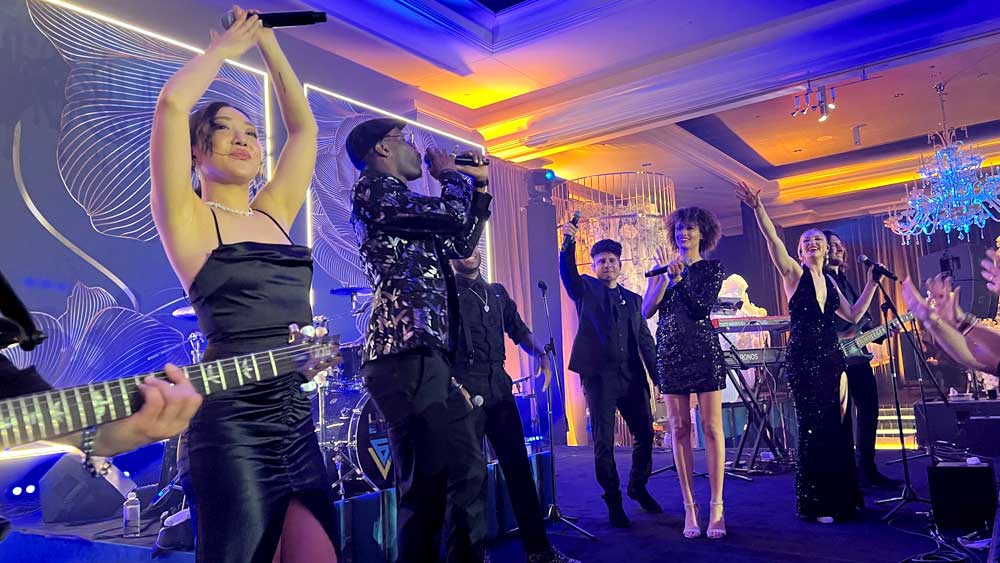
Best Live Bands for Weddings: The 2026 Hiring Guide
Find the best live bands for weddings with expert tips on costs, booking, setlists, and questions to ask. Make your reception unforgettable with a wedding dance band from Green Light Bands.
Few decisions shape a wedding reception more than the entertainment choice. The best live bands for weddings create something a playlist simply cannot replicate: a room full of people who feel the music rather than just hear it. This guide from Green Light Bands covers everything you need to hire the right live band for your wedding, from setting a realistic budget to understanding the technical requirements that most couples never think to ask about. Below, we’ll show you exactly how to avoid the most expensive mistakes and find a group that keeps your dance floor packed from the first dance to the last song.
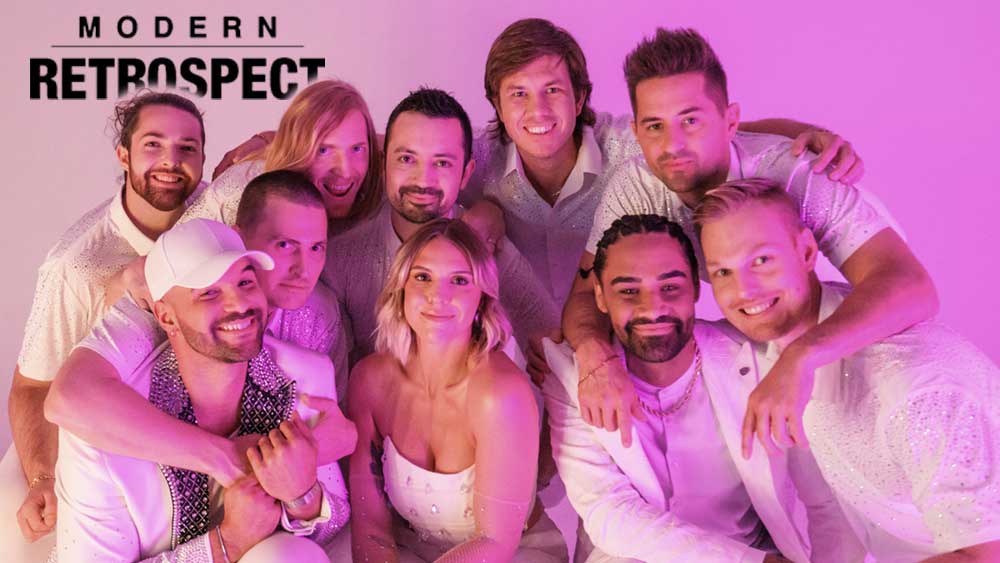
Modern Retrospect: Among the Best Bands for Wedding Receptions
Here’s what most guides get wrong: they treat band selection as a vendor checkbox rather than a creative and logistical decision. The right live wedding band doesn’t just perform well. It reads the room, adjusts the energy, and turns a good reception into a genuinely unforgettable night. Green Light Bands offers world-renowned bands like Modern Retrospect and Red Hot Revolution that know how to create unforgettable events.

Red Hot Revolution: Powerhouse Wedding Band
Why the Best Live Bands for Weddings Outperform Every Other Entertainment Option
Live wedding music is the single entertainment category that guests remember and talk about long after the cake is gone. A DJ can match a song to a moment, but a live band can transform that moment into a shared experience. The difference is physical: live instrumentation produces sound waves that feel different in a room, and skilled vocalists respond to the crowd in real time in ways no algorithm can replicate.
A live performance also signals investment. Guests notice when a couple has prioritized their experience. That perception ripples through the entire evening, raising the energy level before the band plays a single note.
The practical advantages stack up quickly:
- Built-in MC services: Most professional wedding bands include an experienced emcee who can handle introductions, coordinate with your venue, and keep transitions smooth without the couple lifting a finger.
- Versatile setlist depth: A skilled group can cover everything from Motown and soul to current Top 40 and classic rock, reading the crowd and adjusting tempo on the fly.
- Visual spectacle: Attire changes, choreography between band members, and stage presence add a visual layer that pre-recorded music cannot provide.
- Ceremony and cocktail hour coverage: Many popular dance bands offer ceremony musicians and a jazz quartet or acoustic duo for the cocktail hour, giving you seamless coverage across the entire event.
The one honest limitation: live bands require more logistical coordination than a DJ. Sound check, staging, and technical riders all need attention. That coordination is worth it, but couples should go in with eyes open.
Takeaway
A live band’s greatest advantage isn’t musical quality alone. It’s the crowd interaction and real-time energy management that turns a reception into a party guests still talk about a year later.
Wedding Band vs DJ Pros and Cons: Which Should You Choose?
The wedding band vs DJ pros and cons debate comes down to three variables: budget, venue, and the kind of atmosphere you want to create. Neither option is universally better. But most comparisons stop there, at the surface level of cost and song selection, and skip the logistical and contractual realities that actually determine which choice works for your specific wedding. This section covers both.
| Factor | Live Band | DJ |
|---|---|---|
| Energy and atmosphere | High, dynamic, reactive | Consistent, controllable |
| Song selection range | Curated setlist, 50-150 songs | Near-unlimited catalog |
| Setup requirements | Full stage, power, space | Compact, flexible |
| MC services | Usually included | Usually included |
| Breaks in music | Set breaks needed | Continuous if desired |
| Budget range | Higher investment | Lower starting point |
| Customization | Arrangements, medleys | Exact original recordings |
| Noise ordinance risk | Higher, full PA and drums | Lower, output is controllable |
| Vendor insurance requirement | More complex, multiple performers | Simpler, single vendor |
The Logistical Reality Most Comparisons Skip
The table above captures the obvious trade-offs. What it doesn’t capture is the logistical weight that comes with each choice, and that weight is where couples most often get surprised.
A live band requires venue pre-approval of a technical rider. Before you can confirm a band booking, your venue needs to sign off on the band’s power requirements, stage dimensions, load-in schedule, and sound check window. Some historic or boutique venues have hard limits on amplified sound levels, dedicated circuit availability, or load-in door clearances that physically prevent a full band setup. A DJ rig, by contrast, typically runs off one or two standard circuits and fits through any standard service entrance. If your venue is a converted loft, a rooftop, a historic mansion, or any space not purpose-built for live performance, confirm the technical rider compatibility before you fall in love with a specific band.
Noise ordinances are a band problem more than a DJ problem. Outdoor venues and urban rooftop spaces increasingly operate under municipal noise ordinances that cap decibel output at the property line, commonly in the 85-95 dB range depending on jurisdiction, though limits vary widely by city and county. A full live band with an open drum kit and guitar amplifiers can exceed those thresholds before the dance floor even fills. A DJ can dial output down precisely. If your venue has a noise ordinance or a hard sound curfew, ask the band directly how they manage compliance, a professional group will have a specific answer involving a sound engineer and real-time monitoring. If they don’t, that’s a red flag.
Insurance and liability differ significantly between the two. A DJ is a single vendor with a single liability insurance policy. A live band is multiple performers, and the insurance picture is more complex. Some bands operate as a single LLC with a group policy; others are a collection of freelance musicians assembled by a bandleader, which can create gaps in coverage. This matters because many venues now require all vendors to provide a certificate of general liability insurance naming the venue as an additional insured. Confirm this requirement with your venue early, then ask any band you’re considering how their insurance is structured and whether they can provide the certificate. A reputable agency-booked band will handle this routinely. An independently booked group may not.
When a Live Band Is the Clear Winner
A live band is the clear winner when the reception venue has a proper stage or performance space, the guest count is above 80 people, and the couple wants a high-energy dance floor as the centerpiece of the evening. Large ballrooms, barn venues with strong acoustics, and outdoor spaces with professional sound systems all suit live performance well.
Live music also shines when the couple has a specific genre identity. A couple who loves Motown and soul will get something from a dedicated showband that no DJ can replicate. The same applies to country, jazz, or ethnic music traditions where live instrumentation carries cultural and emotional weight that a recording simply cannot match.
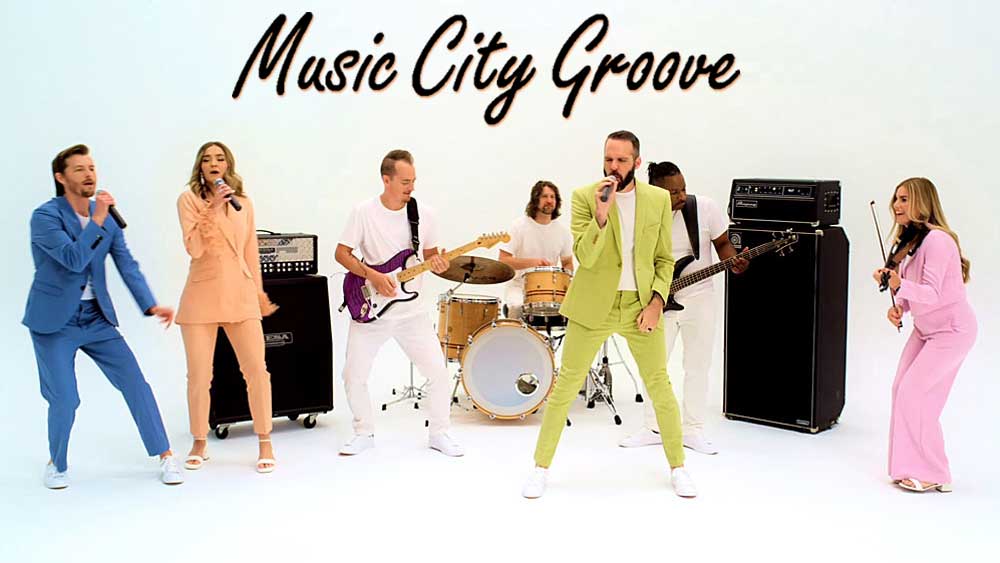
Music City Groove: Popular Wedding Reception Band
One underappreciated advantage of a live band: the built-in visual spectacle. A DJ behind a booth is largely invisible to most guests. A six-piece band with a charismatic front vocalist, horn players stepping forward for solos, and a drummer visible from across the room creates a focal point that anchors the entire reception space and gives guests something to watch even when they’re not dancing. Two live wedding bands that always pack a punch are Music City Groove, delivering both pop and country dance hits, and SHUFFLE, a high energy powerhouse that pumps out a variety of hits from many genres including contemporary pop, punk, and classic rock.
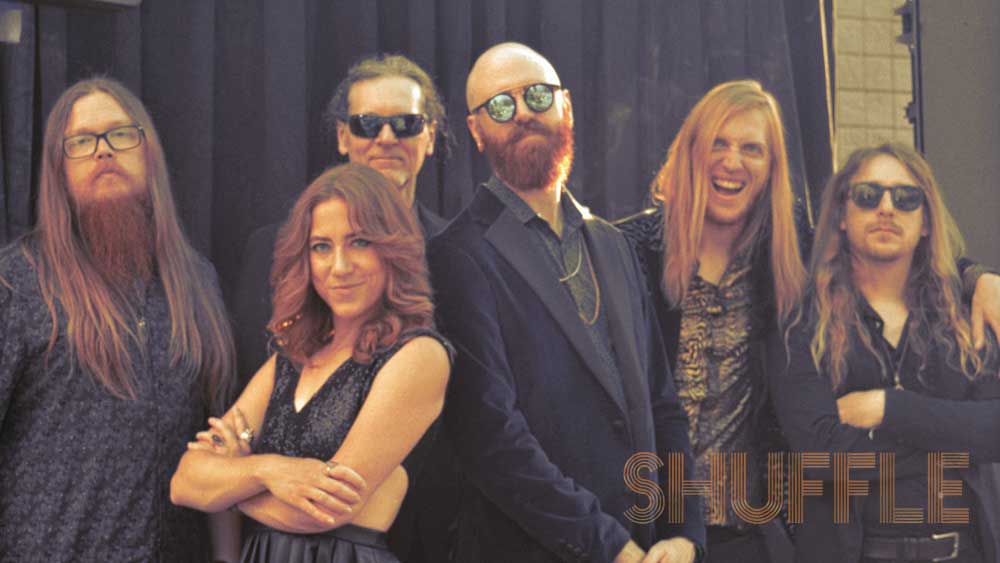
SHUFFLE: Wedding Live Band for Wedding Parties
When a DJ Makes More Sense
A DJ makes more sense when the venue has space or noise restrictions, the budget is tight, or the couple wants exact original recordings rather than live arrangements. Intimate venues under 50 guests can feel overwhelmed by a full band setup, both physically and acoustically. Rooftop venues with sound ordinances often cannot accommodate the decibel level a full live band produces without risking a noise complaint or a forced early shutdown.
A DJ also wins on setlist flexibility. If your guest list spans three generations with genuinely incompatible music tastes, say, grandparents who want big band standards, parents who want classic rock, and friends who want current hip-hop, a DJ can pivot between those worlds instantly and play the exact original recording each group recognizes. A live band can cover multiple genres, but they’re performing arrangements, not originals, and their catalog has real limits.
Takeaway
The band vs. DJ decision is not just about music preference, it’s a venue logistics question first. Confirm your venue’s technical rider compatibility, noise ordinance status, and insurance requirements before you commit to either option. Those three factors will often make the decision for you.
Average Cost of a Wedding Band: What to Budget in 2026
An average cost of a wedding band in 2026 varies significantly based on band size, market, and experience level. Couples should expect to budget anywhere from a few thousand dollars for a smaller local group to well above ten or fifteen thousand dollars for a premium full-service band in a major metropolitan area. According to The Knot’s annual wedding industry data, live entertainment consistently ranks among the top five wedding expenditures for couples who prioritize the reception experience.
The starting price for most professional wedding bands falls in the $7,500 to $12,000 range for a seven-piece group in a mid-size market. Full orchestras or 10-plus-piece showbands in cities like New York, Los Angeles, or Chicago command significantly higher fees. But the base quote is rarely the final number, and understanding what drives the gap between the two is where most couples lose money.
What Drives the Price Up (or Down)
Several factors move the price needle more than most couples realize:
- Band size: Each additional musician adds to the fee. A jazz quartet costs less than an eight-piece pop covers band with a horn section. Every musician is a separate paycheck, and travel, accommodation, and meal riders multiply accordingly.
- Travel fees: Bands outside your local market charge travel fees that can add hundreds or thousands of dollars depending on distance. Some agencies quote travel as a flat fee; others bill actual costs after the event. Clarify which model applies before signing.
- Performance duration: Standard packages typically cover four hours of live music (with a couple of breaks) and another 2-3 hours for setup and sound check. Extended performance windows cost more, usually billed in 30-minute increments at a rate that is often higher per hour than the base package rate.
- Day of the week: Saturday peak-season dates carry premium pricing. Friday or Sunday weddings often come in meaningfully lower, sometimes 10 to 15 percent less for the same band on the same month.
- Instrumentation: Specialty instrumentation like strings, brass, or ethnic music specialists commands a premium over standard rock or pop lineups. If you want a live string quartet for the ceremony and a full pop band for the reception, budget for both as separate line items.
- Production included: Some bands bring their own professional sound system and lighting rig. Others require the venue to provide backline equipment. When production is not included, you may need to hire a separate audio-visual company, which can add a significant cost that never appeared in the original band quote.
Warning
Never book a band without clarifying who provides the sound system. Assuming the venue covers it when the band’s contract says otherwise can leave you scrambling for a production company days before the wedding, at emergency pricing.
The Hidden Costs That Appear After the Quote
This is the section most pricing guides skip entirely. The base quote a band or agency gives you is the floor, not the ceiling. Here are the line items that most commonly inflate the final invoice:
Gratuity. Some professional wedding bands expect a gratuity for the musicians, separate from the agency or bandleader fee. This is rarely mentioned in the initial quote. A common range is 10 to 20 percent of the total musician fee, distributed among the performers. Ask upfront whether gratuity is expected and whether it can be included in the contract total rather than handled in cash on the night.
Meal requirements. Most professional band contracts include a vendor meal clause requiring the couple to provide a hot meal for each musician during the reception. For a seven-piece band plus a sound engineer, that is eight vendor meals. At catered reception pricing, this adds a real cost that your caterer will charge you for. Confirm the headcount with the band and add it to your catering order early.
Overtime. Receptions run long. If your timeline slips and the band plays past the contracted end time, overtime rates apply, and they are typically higher per 30-minute increment than the base hourly rate. Build a 30-minute buffer into your timeline and confirm the overtime rate in writing before signing.
Sound engineer fees. Larger premier party bands often require a dedicated front-of-house sound engineer who is not included in the musician count. This person runs the mixing board during the performance and is essential for sound quality in larger rooms. Some agencies include this in the package price; others bill it separately. Ask specifically.
Accommodation and per diem. For destination weddings or events requiring the band to travel the night before, accommodation and per diem costs are typically passed through to the couple. Get a written estimate of these costs before signing, not after.
How to Evaluate Whether a Quote Is Fair
Most couples have no reference point for whether a band quote is reasonable. A practical framework:
- Figure the price per performing musician. A professional musician performing at a wedding in a major market usually commands a fairly high per-show rate. If the per-musician number seems low, the band may be cutting corners on experience, insurance, or production quality, so be wary of low prices.
- Compare two or three quotes from different bands. Pricing varies by agency and market, but comparing quotes can give you some insight. However, top wedding bands command top prices, so comparing prices of an inexperienced band and a world-class band should normally be miles apart.
- Ask about off-peak discounts. Friday, Sunday, and off-season dates (typically November through March outside of holiday weekends) often carry lower rates. If your date is flexible, this is one of the most reliable ways to access a higher-quality band within a tighter budget.
Tip
When comparing quotes from different agencies or bands, always confirm whether the sound system and engineer are included. A quote that appears 20 percent higher than a competitor may actually be cheaper once you add the production costs the lower quote excludes.
Deposit Structure and Payment Terms
Most professional wedding band contracts require a deposit at signing, commonly 50 percent of the total fee, with the balance due 30 to 60 days before the event. Understand what happens to your deposit if you need to cancel or reschedule. Outright cancellations typically result in full deposit forfeiture depending on how far in advance you cancel.
Pay the deposit by credit card where possible. Credit card payments offer chargeback protection in the event of a vendor no-show or breach of contract, a protection you lose with cash, check, or bank transfer. However, there will typically be an extra fee of 4% for credit card payments.
How Long Do Wedding Bands Play and How to Structure Your Reception Timeline
How long do wedding bands play? Most professional wedding bands perform for four hours with a couple of short breaks during the four hour time frame. Of course there is normally a 2-4 hour setup and sound check.
Structuring your reception timeline around live performance sets requires some planning. A common approach that works well:
- Cocktail hour (60-90 minutes): Acoustic duo or jazz quartet performs background music as guests arrive and mingle.
- Dinner (60-75 minutes): Band plays one lighter set during dinner service, keeping energy conversational rather than dance-floor-ready.
- First dance and formalities: Band performs the first dance, parent dances, and any choreographed moments.
- Dance sets (2 to 4 hours): Two to three full high-energy sets with short breaks, covering Top 40, classic rock, Motown, soul, and crowd requests.
- Last dance: A planned final song that signals the close of the evening without an abrupt stop.
The break periods are where many couples make a mistake. Plan for continuous background music during band breaks, either through a curated playlist or a DJ hybrid arrangement. Dead silence during a 15-minute break kills momentum. According to WeddingWire’s reception planning resources, the transition between dinner and dancing is the moment receptions most often lose energy, and it’s almost always a timing and music continuity issue.
Tip
Ask your band whether they offer a DJ service or playlist management during breaks. Many professional wedding bands include this as part of their package, ensuring the dance floor stays warm between sets.
Top Sources for Finding the Best Live Bands for Weddings
Booking the best live bands for weddings starts with knowing where to look. The source you use shapes both the quality of options available and the level of support you get through the booking process. And of course, the best place to find incredible live wedding bands is right here at Green Light Bands.
Full-Service Agencies vs. Vendor Marketplaces
Agencies that are full-service and vendor marketplaces represent two fundamentally different approaches to booking live wedding music, and the right choice depends on your budget and how much hand-holding you want.
Full-service agencies curate exclusive rosters of vetted bands, handle contracts and logistics, and assign a dedicated consultant to match you with the right group. Green Light Bands operates in this model, offering a diverse roster of exclusive bands (that you won’t find anywhere else) spanning bluegrass, classic rock, jazz, and Top 40 with professional sound and production values built into every booking. For couples who want a single point of contact and confidence in the quality of what they’re getting, an agency relationship with Green Light Bands is worth the investment.
Vendor marketplaces like The Bash and GigSalad offer a searchable database of local performers with verified reviews, direct booking, and payment protection. These platforms can work well for couples with low budgets and the time to vet performers independently. The tradeoff: quality varies significantly between individual performers, and the booking experience is self-directed rather than consultative.
Green Light Bands occupies a middle ground as one of the largest full-service agencies in the country, offering personalized entertainment consulting alongside a large, exclusive roster spanning many genres and price points.
| Source Type | Best For | Vetting Level | Budget Range |
|---|---|---|---|
| Green Light Bands | High-energy, versatile performances, luxury, seamless experience | Highest | Mid to premium |
| Vendor marketplaces | Budget-conscious, independent search | Self-directed | Budget to mid |
Questions to Ask a Wedding Band Before You Sign Anything
Most couples ask about song selection and availability. The questions that actually protect you are the ones nobody thinks to ask until something goes wrong.
Technical Rider Requirements, Insurance, and Contract Terms
A technical rider is a document specifying the equipment, power, and space requirements a band needs to perform. Every professional band has one, and your venue needs to approve it before you sign anything.
Key questions to ask:
- What power requirements does your setup need? (Amperage, number of circuits)
- Do you bring your own professional sound system, or does the venue need to provide backline?
- How much stage space do you require, and what are your ceiling height minimums?
- How long does your sound check take, and when do you need venue access?
- Do you carry general liability insurance, and can you provide a certificate of insurance to the venue?
Liability and insurance deserve particular attention. Many venues now require vendors to carry a minimum level of general liability coverage. A band that cannot provide proof of insurance creates a real problem on the day of your wedding. Ask for the certificate before you sign the contract.
Contract terms to review carefully:
- Rescheduling policy: What if you need to move the date?
- Deposit structure: What percentage is due at signing versus closer to the event?
- Overtime rates: What does the band charge per additional 30-minute increment?
Song Request Limitations and Setlist Flexibility
Song request limitations are one of the most misunderstood aspects of hiring live wedding music. A live band cannot learn every song on demand. Professional wedding bands typically maintain a repertoire of 100 to 150 songs across multiple genres, and they’ll work with you to build a custom setlist from that catalog.
What this means in practice: you can almost certainly get your first dance song performed live if you request it a couple of months in advance. You probably cannot get a live performance if you mention it the week before the wedding, unless the band already knows the song.
The right approach is to share your 3-4 must-play songs and 3-4 do-not-play songs during the planning process, not the week of the event. Ask the band directly: “How many weeks in advance do you need song requests, and what’s your process for learning new material?” A professional group will give you a clear, specific answer.
According to The American Federation of Musicians’ guidance on event contracts, clear written documentation of setlist expectations and any special song requests is one of the most important contract elements for both parties.
Acoustic vs. Full Band: Logistics Every Couple Needs to Know
The acoustic vs. full band decision isn’t just about sound preference. It’s a logistics question with real consequences for your venue, timeline, and budget.
An acoustic setup typically involves one to three musicians performing without amplified instrument rigs, relying on natural projection or minimal amplification. This works beautifully for ceremonies, cocktail hours, and intimate receptions under 60 guests. The setup footprint is small, the sound check is brief, and the ambient volume stays conversational.
A full band involves a complete production setup: drum kit, bass amplification, guitar rigs, keyboard, and a full PA system with monitors. This requires:
- Minimum stage dimensions (typically 16×20 feet for a six-piece band)
- Dedicated power circuits (often 20-amp circuits, multiple)
- Load-in access a minimum of two hours before the event
- A sound engineer for larger productions
The practical implication most couples miss: full band setups in venues with low ceilings or poor acoustics can actually sound worse than a smaller acoustic configuration. A four-piece acoustic group in a 50-person garden venue will deliver a better musical experience than a 10-piece band crammed into the same space.
Many couples solve this by using an acoustic duo or jazz quartet for the ceremony and cocktail hour, then bringing in the full band for the reception. This hybrid approach manages both logistics and budget efficiently.
Tip
Always ask your venue coordinator about the load-in door dimensions and parking access for band vehicles before confirming your band booking. A full band traveling with equipment needs clear access, and some historic venues have restrictions that aren’t obvious until move-in day.
How to Choose a Wedding Band That Fits Your Style and Venue
Choosing a wedding band that genuinely fits your style requires more than watching a highlight reel on a website. Here’s a practical framework for making the right call.
Step 1: Define your non-negotiables. Before browsing any vendor marketplace or agency roster, write down three things: the genre or era of music that defines your taste as a couple, the energy level you want (background ambiance vs. full dance party), and any songs that are absolutely required.
Step 2: Match the band size to the venue. A 12-piece showband in a 100-person venue will overpower the room. A three-piece acoustic group in a 300-person ballroom will feel thin. Get the venue’s recommended capacity and stage dimensions before shortlisting bands.
Step 3: Watch full-length performance videos, if available. Highlight reels are edited to show peak moments. A 10-minute continuous performance video shows you how the band handles transitions, crowd interaction, and the quieter moments between big numbers.
Step 4: Check vendor reviews across multiple platforms. Look for patterns in the feedback: do reviewers consistently mention the band’s ability to read the crowd? Do they call out specific vocalists or the MC’s professionalism? Specific praise is more meaningful than generic five-star ratings.
Step 5: Confirm availability and get the contract reviewed. Once you’ve identified your top choice, confirm the date immediately. The best wedding bands book 12 to 18 months in advance for peak-season Saturday dates. According to Brides magazine’s wedding planning timeline guidance, entertainment vendors are among the first to book out for popular wedding dates, often before venue contracts are even finalized.
Choosing the right live entertainment is perhaps the most important decision in wedding planning, and it’s also one of the most anxiety-inducing. Green Light Bands takes the guesswork out of it with a diverse roster covering everything from classic rock and Top 40 to jazz and bluegrass, professional sound and production values built into every performance, and a genuine commitment to keeping dance floors packed from the first song to the last. Contact Green Light Bands to check availability for your date and find the right group for your reception.
Frequently Asked Questions
How much do the best live bands for weddings cost?
The average cost of a wedding band varies widely based on band size, experience, location, and event duration. Smaller local acts or acoustic duos may start around $2,000-$3,000, while professional multi-piece bands from full-service agencies typically range from $10,000 to $15,000 or more. Travel fees, sound equipment, and overtime hours can add to the base price. Always request an itemized quote and confirm what is included in the contract before booking.
How long do wedding bands usually play?
Most wedding bands play between 3 and 4 hours total, typically broken into sets of 45-60 minutes with short breaks in between. A common structure covers cocktail hour music, dinner background sets, and high-energy reception dancing. Some bands also offer ceremony musicians as an add-on. Discuss your wedding reception timeline upfront and confirm overtime rates in your contract in case the celebration runs long.
Should I hire a DJ or a live band for my wedding?
A live band delivers unmatched energy, crowd interaction, and a visual performance element that keeps the dance floor packed all night. A DJ offers broader song selection, lower cost, and seamless transitions between tracks. If your priority is atmosphere, showmanship, and a memorable live performance, a band is the stronger choice. If budget or song variety is the deciding factor, a DJ may suit you better. Some couples hire both, a band for the reception and a DJ to fill breaks. And some bands incorporate their own DJs to fill the breaks.
What questions should I ask a wedding band before booking?
Key questions to ask a wedding band include: What is your full setlist and can we request specific songs? Do you carry liability insurance? What are your technical rider requirements, power, stage size, sound check time? How many sets do you play and how long are breaks? Do you provide MC services? What is your attire policy? What happens if a band member is ill? Getting clear answers to these questions before signing contract terms protects you and ensures no surprises on the day.
Do wedding bands provide their own equipment?
Most professional wedding bands bring their own professional sound system, microphones, and basic stage setup. However, some bands require the venue to provide a PA system, stage risers, or specific power outputs, these details are listed in their technical rider. Always confirm what equipment the band supplies versus what the venue must provide. Full-service agencies like Green Light Bands typically handle production logistics, making the process far simpler for couples.