
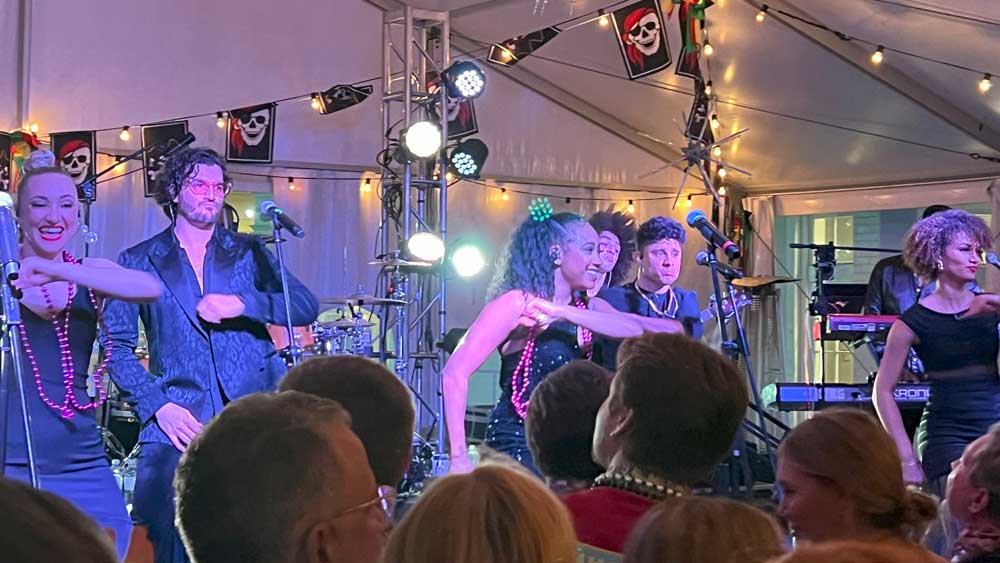
Find the Best High Energy Wedding Reception Bands
The Traits of an Experienced High-Energy Band
There’s a certain quality to a top tier wedding reception band. They are experts at reading a crowd and adapting in real time, building momentum from the cocktail hour through the last dance of the reception. There are three things you’ll find in common among the best live bands: an electrifying stage presence, audience engagement that feels authentic, and the ability to know when the tempo needs to change. These qualities come from years of performing and a dedication to putting your guests first rather than sticking to the band’s own setlist at times.
On Stage and with the Crowd
Forget pyrotechnics or over-the-top costumes; true stage presence is found in musicians who are performing because they want to be up there. It’s the drummer and bass player locking in so hard you can almost feel the rhythm, or a lead vocalist who takes the time to make eye contact with you while she’s singing along to one of your “must-play” songs. You and your guests will feel it.
The best high energy wedding reception bands don’t just play background music, they deliver an exciting show. The lead singers address the room, not the mic. After a few songs, experienced performers have learned everything they need to know about the crowd’s energy and then make any necessary adjustments. Crowd engagement is the key to a memorable party. It’s the MC telling the couple’s story with some warmth instead of reading from a script, or the band playing a request from the bride’s father because they understand the importance of the moment.
Preventing Dead Air
Nothing kills a party like dead air – that long lull between songs where guests walk back to their seats. Professional bands don’t allow for it. They use medleys and overlapping instrumentals to chain hits together without a break. World-class wedding bands will watch what’s working; if the Motown cover song has the grandparents up and moving, they’ll follow suit with something from that era. If the younger set is in the mood for modern pop, they’ll go there instead.
But the very best high energy wedding reception bands, like those offered by Green Light Bands, distinguish themselves in how they handle transitions between songs. Where an average band might pause after a song to say a word or two, a great band will move immediately into the next vocal track before anyone even notices. Our bands at Green Light Bands will typically string multiple songs together in a medley, giving you a minute or two of each hit to keep things fast-paced and the floor full. There’s no better way to ensure the energy stays up.
Hiring the Right Band
To book one of the finest high-energy bands, you need to appreciate what makes a particular band stand out. Green Light Bands offers world-renowned talent, each with their own brand.
Liquid Blue: The Versatile Powerhouse
You could call Liquid Blue the most decorated of the cover bands in the music business. They have a well-earned reputation for putting on a consistently strong show in any genre. Their appeal is their range; they can build a night around 80s classics tunes or turn to Latin rhythms and modern pop just as easily. For an audience of all ages, they’re hard to beat.
They bring a level of production you would expect from a professional band, with lighting and sound reinforcement that’s perfect for the venue. The vocalists are well-versed in everything from The Weeknd to Whitney Houston and the transitions are smooth and precise. They’re a great choice for couples who don’t want a band limited to one style.
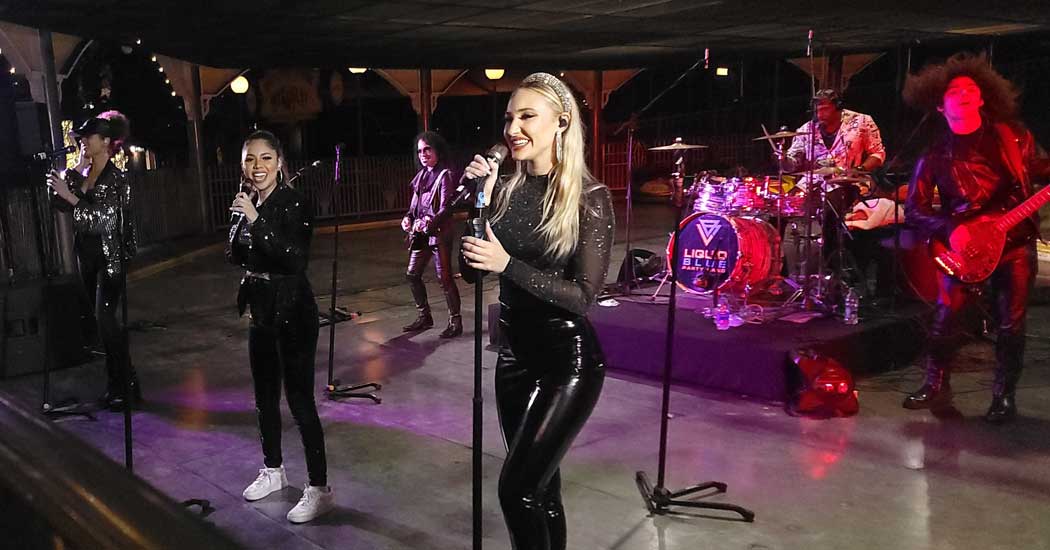
Liquid Blue Wedding Reception Band
Metro Music Club: Specialists in Getting People to Dance
Then there’s Metro Music Club, which has a more contemporary bent. They know what moves a 25 to 45 year old crowd. Their forte is in how they construct a setlist, creating a musical arc over the course of the evening as opposed to throwing 200 random songs at the wall. You’ll find the musicianship here is all about the groove. The rhythm section is as tight as it is deliberate, while vocalists put in strong performances on everything from energetic dance numbers to ballads for special dances. They have no problems with long instrumental breaks and let the crowd in on the talent.
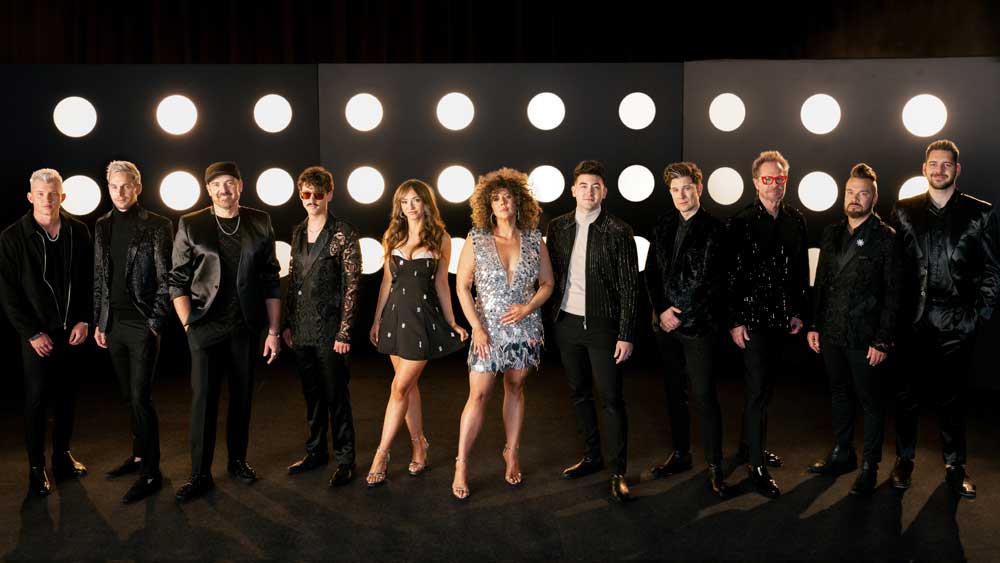
Metro Music Club High Energy Reception Band
Modern Retrospect: Decades of Hits, High Energy Throughout
There’s nothing experimental with Modern Retrospect. This is extreme energy from the get go, applied to the hits people want to sing along to, from the 1960s to the present day. You get seasoned musicians and vocalists who’ve performed at hundreds of weddings and know how to pace a four-hour reception. It’s a reliable, professional wedding band that delivers exactly what you want your guests to hear; there’s a reason why they’ve become so popular for celebrity weddings and events.
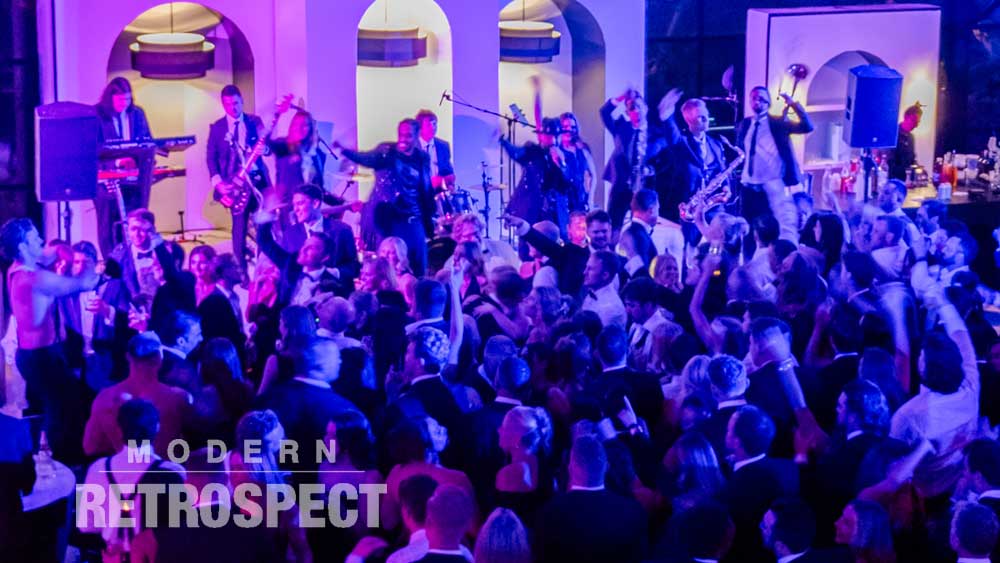
Modern Retrospect Band for Weddings and Receptions
Red Hot Revolution: Rock and Pop Energy to the Max
If your goal is to have your wedding reception feel like a live concert, Red Hot Revolution is the answer. They bring an arena-style sensibility to classic hits and pop-rock cover songs, complete with some of the finest lead guitar work and vocals that fill a room. The rhythm section puts intention into every measure. A favorite for celebrity events, they’re well suited to couples who want high energy hits from start to finish.
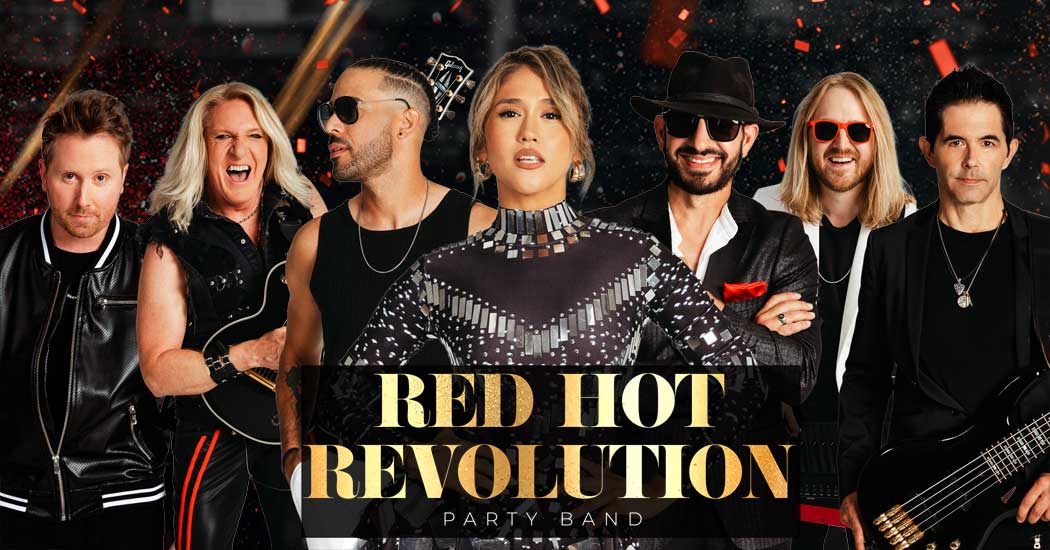
Red Hot Revolution: Exclusive Wedding Band
Rhinestone Rodeo: Country and Crossover Excellence
Rhinestone Rodeo has the country expertise to back up the high energy pop they put out at receptions. Their set is a good mix of current radio dance hits and country favorites, old and new, which is perfect for a mixed crowd. They’re the right call for a couple with country roots who also want some pop, or for a more laid back affair where a bit of line dancing and singalongs are in order.
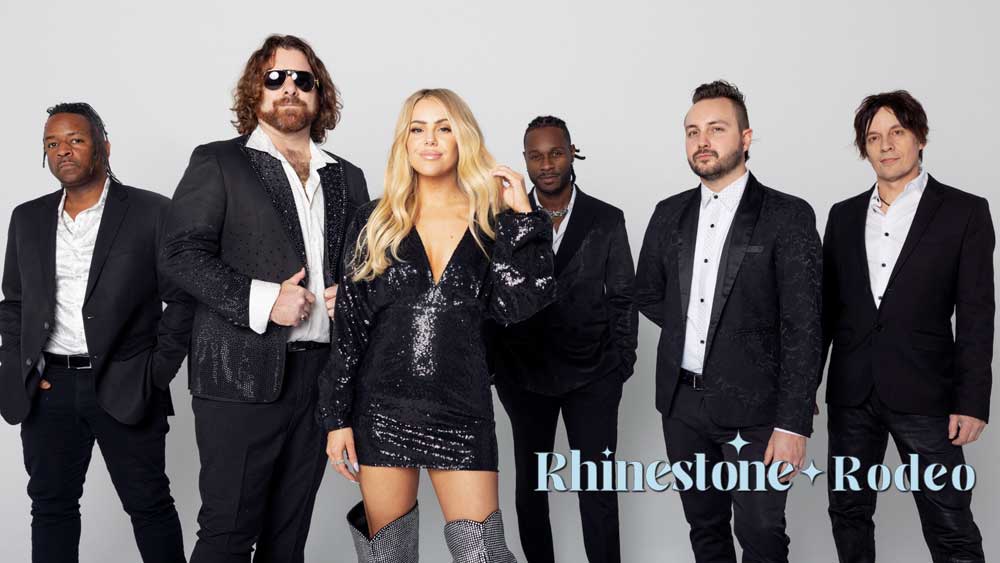
Rhinestone Rodeo High Octane Wedding Party Band
Party Echelon: Customizable Setlists for Maximum Impact
What sets Party Echelon apart is long and varied setlist. Want an 80s opening, some modern pop and then party hits to close? Their experienced players will execute that with precision. For those with a clear vision of how the night should go and a need for a band to keep the dance floor full, Party Echelon is the way to go.
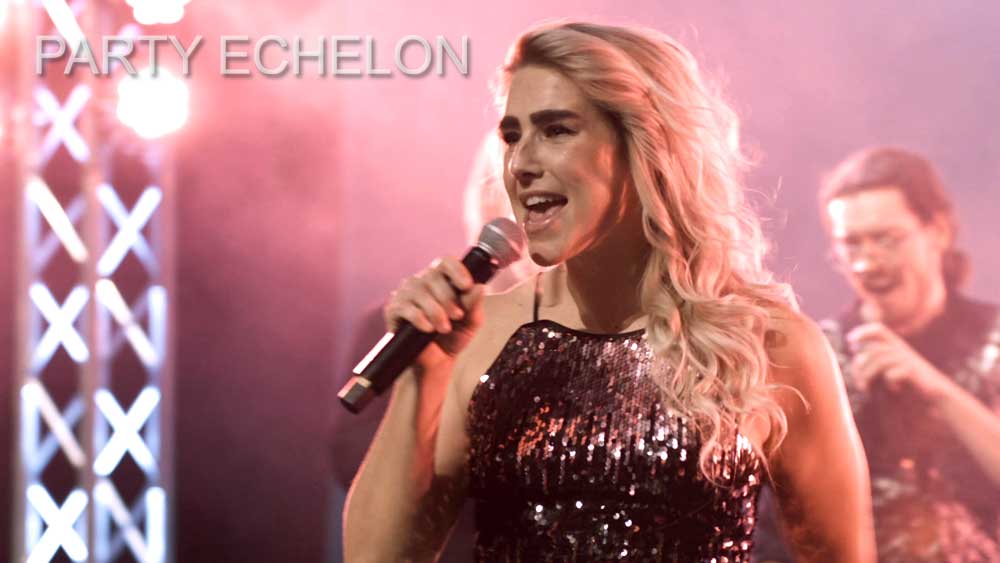
Party Echelon Live Party Band for Weddings
Music City Groove: Soul, Funk, Pop, Country, and Motown
With a focus on soul, funk, pop, Motown and country, the musicians at Music City Groove play with a kind of physical pull that makes it hard to stand still. The vocalists have control and soul to spare. They’re best for a reception meant to be a celebration of good vibes and dancing.
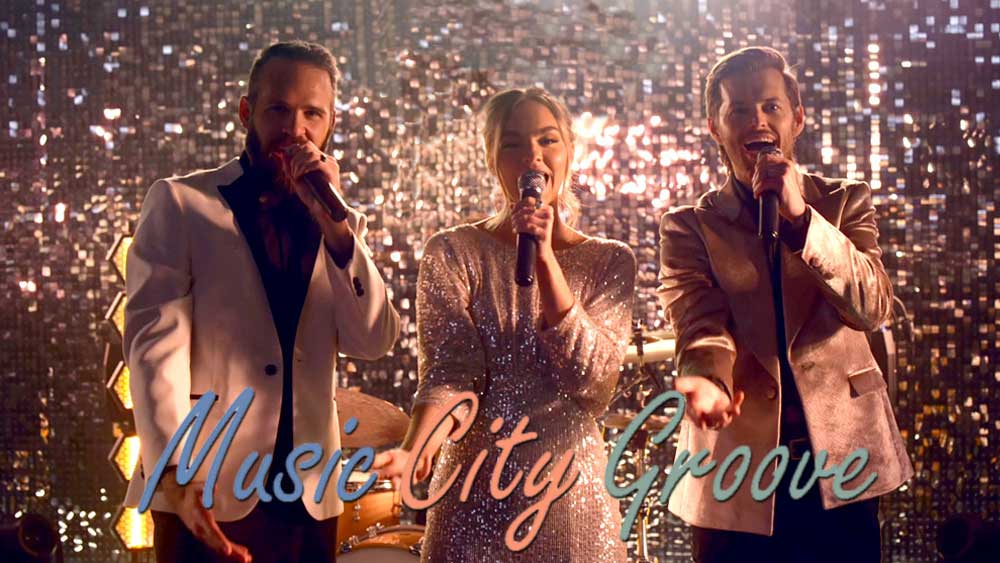
Music City Groove Country Pop Wedding Band
Glitterati: Hits from all Decades with Non-Stop Energy
Glitterati has the enthusiasm to make people feel young again. They cover the 80s and 90s as well as contemporary material with a fun attitude. The musicians pump out the familiar dance grooves and the vocalists hit the iconic notes so you know the song the moment it starts. Glitterati is an ideal pick for a playful, high energy evening with a crowd that will connect with both the oldies as well as today’s hits.

Glitterati Wedding Band with Sax and DJ Combo
Live Band or DJ? Why the High-Energy Band Wins Out
If you want an experience your guests will not soon forget, and a dance floor that stays full, the best high energy wedding reception bands offer what DJs simply can’t.
Live Performance Energy and Authenticity
The difference lies in the energy of a live performance. A band generates its own energy. The musicians are there to feed off the room; when they see the dance floor filling up they put more into it, and if the mood even starts to wane a tiny little bit, they make the necessary adjustments. It’s a dynamic feedback loop that puts event DJs for hire at a big disadvantage since they’re only hired to play pre-recorded music and can’t add their own musicianship to the mix.
There’s also a physical component to a live band as well. When a singer works for a note or a drummer and bass player lock into a groove, the audience can feel and appreciate the emotion and effort. You get an emotional connection from that which is impossible with recorded music. And if something unanticipated happens, say a guest makes a request or the room needs a jolt of new life at a critical point during the reception, the best bands can pivot. On the other hand, a DJ is confined to his library of music.
What Does this All Mean for the Reception?
So exactly what should you look for in a wedding band? You want guests to be left with memories of a live show. The horn section will ideally make them feel something with a unison stab, and the singer should make eye contact during the show. With a DJ the event is more passive; guests are listening to music, but not really witnessing any stage presence. A top tier wedding band has vocalists with personality and the skill to read a crowd and change the mood in real time.
Questions to Put to a Potential Wedding Band
On song list and customization: “How many songs are in your set and are you open to learning new ones?”
A 150 to 200 setlist is pretty typical for a professional band, while 300 or more shows flexibility. If the number is in the 50-75 range they’re being cautious. The best bands will work with you to create a setlist tailored to your guest list.
Logistics and sound: “Who will bring the sound system?” You want a band that brings their own professional equipment so the quality is not dependent on the venue.
“What does your technical rider call for?” Expect a document that lays out power and stage requirements.
And on timing: “When do you plan to arrive and how long does it take for your soundcheck?” Plan for them to be on site two or three hours prior to the reception for setting up their equipment and performing a thorough sound check.
References matter too. “How long have you been playing together as a band?” Chemistry takes time; look for a band with five years or more of history and experience.
Timing Your Booking
To be able to select from the best of the high-energy bands, especially for in-demand dates, hire your band nine to twelve months out. That gives you the chance to work out all the details. Two to three weeks before the big day you need to confirm the special requests and the wedding schedule.
As for the flow of the evening, many couples have the band play for the cocktail hour. During that time they should set the ambiance without turning the volume up so much that conversation is impossible. A well-run reception is all about the flow of energy. A professional band will structure their set to build on itself: early pieces to set the mood, a mid-reception peak, and an appropriate wind down at the end.
Here is How a Typical Evening Breaks Down
Cocktail Hour (30-60 minutes): Many couples hire the band to perform during cocktail hour. The band should play at a volume that allows conversation but still creates atmosphere.
Dinner (45-75 minutes): If you include a dinner, the band will play some soft background music or simply take a break. In either case, if they’re playing, it’s at a volume that allows for easy conversation among your guests.
Dancing (2-4 hours): This is the time for the band to bring their best energy. Expect them to get people out of their chairs with some high-octane dance tunes.
The Last Dance (final song): For the final song of the night, they’ll put on something celebratory – a high energy, popular hit that will have everyone singing to themselves all the way home.
Keeping the Dance Floor Packed
It takes planning from both the couple and the band to have a full floor all night. The right setlist is the key. Rather than sticking to one era or style, the top wedding setlists are built on a mix of styles from several decades.
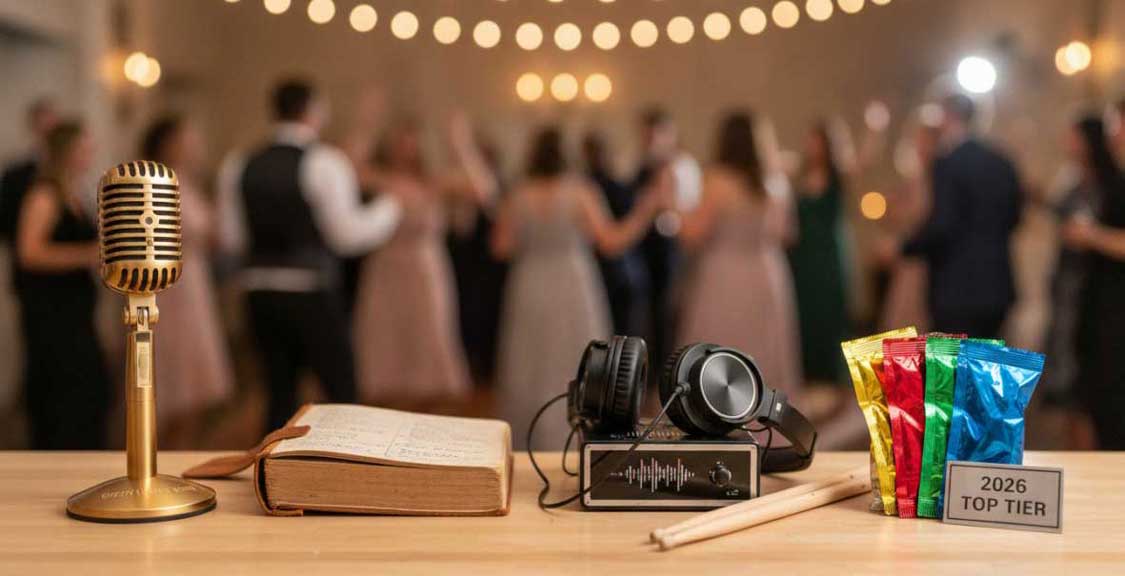
Due to a good setlist strategy, the dance floor at a wedding party stays packed and happy.
Setlist Strategy and Genre Mixing
The best wedding reception music setlists mix music styles strategically rather than playing all songs from one era or style.
In the first set of 8-10 songs, you want to establish energy with some well-known hits, perhaps a slower number here and there for a breather, and a variety of eras to suit all ages.
By the second set, the energy should be ratcheted up; more current hits for a younger crowd, or the classics for an older one.
The final 5-7 songs are a blend of high-energy numbers and the occasional slower track to let people catch their breath without leaving the floor. An experienced band will have an instinct for this kind of pacing and will make any necessary adjustments by watching the guests.
MC and Guest Interaction
There’s value in a wedding band that provides a quality MC. They can keep guests engaged and introduce songs to heighten audience interaction. Good MC work means the couple is introduced with real enthusiasm and special dances are announced in a way that makes them feel important.
Venue and Band Size
Flexibility is what separates the best high-energy bands from subpar bands. While a 4-piece band might be fine for a smaller venue, a 7 to 9 piece brings a certain energy and fuller sound. For a true concert feel, a 10-12 piece with a 3-piece horn section is tough to beat. You’ll want a band that fits your venue’s size and the number of guests you’ve invited.
Contracts and Vetting
It’s vital that you know what to look for in a contract to avoid problems. A legal and proper agreement will leave no room for miscommunication on performance details, technical needs such as required power and stage size, and payment details including deposits, balances, and overtime fees, if any. It also needs to cover liability and insurance, as well as what happens in the event of band member illness.
Be careful about vague terms or a band that cannot explain their technical requirements; it suggests they have not given much thought to their setup. If they don’t mention a soundcheck, it’s a red flag. And remember, a professional will never put pressure on you to book on the spot. Think before signing.
Selecting the right band is what will transform an event into an experience your guests will talk about for months or years. The best high-energy wedding reception bands offer a combination of talent and audience interaction. At Green Light Bands we offer world-class talent for you to choose from, whether it’s the versatility of Liquid Blue or the infectious energy of Modern Retrospect. Contact us today to find the right band for your vision.
Some Common Questions We’re Asked
Why is a ‘high-energy’ wedding band different?
You’ll find that high-energy bands set themselves apart with by offering strong vocals, exceptional musicianship and a dynamic on-stage presence. They’re all about keeping the reception active and the guests moving through smooth transitions and by getting the crowd involved. Where you might have a jazz trio or acoustic musicians, these live wedding bands are built to get people out to the dance floor and make sure there’s no dead air between songs. They read the room in real time and use a well-chosen setlist and tempo changes to hold the interest of every generation there.
What should I be asking before I lock myself in?
Make sure to cover the band’s full repertoire and any technical needs they may have in terms of sound, power and stage space. Ask them how much experience they have with a venue of your size and whether MC duties are part of the package. You should also want to see references from recent gigs and ask for their technical rider. A good question is how they go about reading the room and making adjustments on the fly to sustain the energy. And don’t forget to ask what their contingency is in case of band member illness.
Is a live band or DJ the better option?
There’s a “realness” to a live band that a DJ doesn’t have because of real instruments and vocals. For couples who want an interactive experience with memorable moments, a live band is the number one choice. A DJ has the advantage of being more portable and offering wider range of song choices, but if you want an energetic performance that adapts in real time, a luxury band is the superior pick.
How early is too early to book a band?
You usually want to book 9 to 12 months out, if possible, at the very least. The best high energy wedding reception bands are in demand and can get booked up fast for things from May through September, and also in December. Getting in early not only helps you secure the band you want, but gives them the opportunity to put in some time with your requests and sort out the technical side with your planner and venue.
What red flags, if any, should you look out for?
Be careful of contracts that have vague payment terms or an absence of a backup band member clause. The contract should be clear about the length of the performance, technical specs and what the plan is if a member becomes unable to perform. Look for hidden costs or questions around overtime and who’s responsible for the sound system. Verify the band’s insurance and always get references from previous clients.