
Wedding Music Bands: How to Find & Book the Best
Learn how to find the best live wedding band that will keep the dance floor buzzing and blow your wedding guests away.
Your reception lives or dies by what’s playing when guests walk through the door. Live wedding music bands are the single most powerful variable in determining whether your event feels like a party or a formal obligation, and the team at Green Light Bands has seen both outcomes firsthand. The difference almost always comes down to one decision made months before the wedding day: who you book, and how you book them.
Below, we’ll walk through exactly how to find, evaluate, and contract the right live band for your reception, including the hidden costs most guides skip, the questions you must ask before signing anything, and why post-pandemic booking timelines have completely changed the game.
Why Wedding Music Bands Make or Break Your Reception
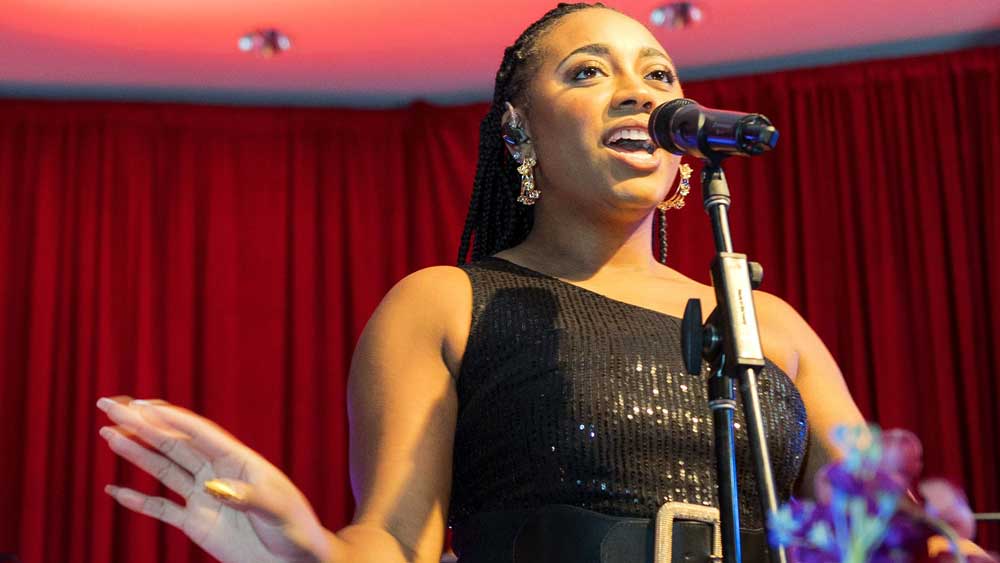
Live music does something a playlist cannot. A great reception band like Modern Retrospect reads the room, slows down when the dance floor thins, builds energy before a key moment, and turns a first dance into a genuine memory. A wedding reception band is live entertainment that performs curated music throughout your event, often covering ceremony, cocktail hour, and reception segments with professional musicians and vocalists.

Modern Retrospect and Peter Cetera, Founding Member and Singer of the Band Chicago
Most couples underestimate this. They spend months on florals and catering, then treat entertainment as an afterthought. That’s the wrong call. According to research compiled by The Wedding Report’s annual industry data, entertainment consistently ranks among the top factors guests remember most after attending a wedding. The food gets forgotten. The music does not.
The other misconception worth addressing early is that live bands are not just for big budget weddings. Genre flexibility, band size options, and a competitive booking marketplace mean there are strong live music options across many budgets. The key is knowing where to look and what to ask.
Key Takeaway
A wedding reception band’s ability to read the room and adjust in real time is something no pre-built playlist can replicate. That adaptability is the core reason live music outperforms DJ setups for guest engagement at most wedding receptions.
Top-Rated Wedding Music Bands and Booking Agencies to Know
The best wedding music bands are rarely found through a single Google search. They come through agencies with exclusive rosters, vetted musicians, and real accountability. Here are the options worth knowing in 2026. A high-energy wedding reception band performing on a decorated stage with colorful uplighting, two vocalists at microphones, and a packed dance floor of guests dancing and celebrating
Green Light Bands
Green Light Bands is the top pick for couples who want high-energy live performances across a genuinely diverse range of genres. Their roster covers Top 40, classic rock, country, jazz, and bluegrass, which means they can serve every age group in the room without forcing a compromise. What sets them apart is their focus on performance quality and event production, including professional sound, versatile setlists, and bands like Red Hot Revolution that are built to keep dance floors packed from the first song to the last.

Red Hot Revolution: One of the Best Wedding Music Bands on the Planet
Green Light Bands works across weddings, corporate events, private parties, festivals, and community events, so their musicians are experienced performers, not hobbyists who play weddings on weekends. For couples who want an unforgettable experience that guests will talk about for months, this is the place to start.
Wedding Band vs DJ: Which Is Right for Your Event
The wedding band vs DJ debate has a real answer, and it depends on your priorities, your venue’s physical constraints, and a cost-benefit calculation most guides never walk you through honestly.
What a Live Band Actually Does That a DJ Cannot
A live band creates atmosphere through real-time performance decisions. A skilled bandleader reads the room, and if the dance floor starts thinning after a slow song, they can pivot mid-set, skip a planned ballad, and drop into something higher-energy without a visible gear shift. That responsiveness is a live-only capability. Bands also add a visual and social dimension, guests gravitate toward a stage, watch musicians interact, and feel the physical presence of amplified instruments in a way that a DJ booth simply does not produce.
The other live music advantage that rarely gets name is when a band creates natural conversation anchors. Guests who don’t dance still have something to watch, comment on, and engage with. That ambient entertainment value keeps energy in the room even when the dance floor isn’t packed.
What a DJ Does Better
A professional DJ offers near-unlimited song selection with zero arrangement limitations. If your playlist spans Afrobeats, 90s country, and current pop, a DJ executes that without compromise. Transitions are seamless because they’re engineered, not performed. There are no breaks, no tuning pauses, and no moments where the band needs to confer on the next song.
DJs also carry a lower cost floor. A solo professional DJ with quality equipment will generally run less than even a small live band, which matters when entertainment is competing with catering, florals, and photography for budget share.
For couples with highly eclectic or era-spanning playlists, or those whose venues have acoustic limitations that make live amplification difficult (low ceilings, hard reflective surfaces, noise ordinances with strict decibel caps), a DJ is not a compromise, it’s the right tool.
The Venue Acoustic Factor Most Couples Ignore
This is where the band vs DJ decision often gets made for you, not by you. Live bands generate significantly more stage volume than a DJ setup, and many venues, particularly historic buildings, barns with low ceilings, or indoor spaces without acoustic treatment, struggle to contain that sound cleanly. A full 8-piece band in a room with hard floors and parallel walls can produce echo and muddiness that undermines the performance regardless of how talented the musicians are.
Before committing to a live band, ask your venue coordinator two specific questions:
- What is the venue’s noise ordinance or decibel limit, and at what time does it apply?
- Has the venue hosted a full live band before, and what was the stage configuration?
If the venue has hosted live bands successfully, you’re likely fine. If the coordinator hesitates or mentions past complaints, factor that into your decision, or budget for acoustic panels and sound management as part of the band’s technical rider.
The Hybrid Model: How It Actually Works and What It Costs
Most comparisons treat band vs DJ as total independent options. The smarter framing is: where in your event timeline does live music deliver the most value, and where can recorded music fill the gap cost-effectively?
The most common hybrid structure:
- Ceremony: String quartet or acoustic duo (live, lower cost due to small ensemble size)
- Cocktail hour: Jazz trio or acoustic ensemble (live, ambient energy without a full band cost)
- Reception dinner and dancing: Full live band (live, peak-energy window)
- Late night: DJ set or curated playlist through the band’s PA (recorded, cost-effective)
Many full-service agencies can bundle these segments under a single contract, which typically produces a lower combined rate than booking each element separately. When requesting a quote, explicitly ask: “What does a ceremony-through-late-night package look like, and how does the bundled price compare to reception-only?”
The hybrid approach also solves one of the most common logistical headaches: what plays during band breaks. A DJ add-on or pre-loaded playlist through the band’s existing PA system means the room never goes silent between sets.
Decision Framework
| Priority | Best Choice | Why |
|---|---|---|
| Guest experience and atmosphere above all | Live band | Real-time adaptability, visual energy, room presence |
| Specific or eclectic playlist spanning many genres | DJ | No arrangement limits, seamless transitions |
| Venue with acoustic limitations or strict noise cap | DJ or small ensemble | Controlled volume, no stage-volume risk |
| Full-day coverage at managed cost | Hybrid package | Live music at peak moments, recorded fill elsewhere |
| Large guest count, high production value | Live band + DJ late night | Band anchors reception, DJ extends the night |
Pro Tip
When comparing quotes, ask every band whether they provide a DJ or playlist service during their breaks and whether that’s included in the base rate. Bands that leave silence during 20-minute breaks lose the room. Agencies like Green Light Bands that bundle break coverage into the contract are solving a real problem, not just upselling.
Key Takeaway
The band vs DJ decision is less about preference and more about matching the right format to your venue’s physical constraints, your playlist’s genre range, and the specific moments in your event where live energy matters most. Most couples benefit from a hybrid approach, the question is where to draw the line.
The Real Cost of Wedding Bands: Pricing and Hidden Fees
The cost of wedding bands is one of the most misunderstood line items in any wedding budget. Couples often see a quoted price and assume that’s the total. It rarely is. However, Green Light Bands offer all-inclusive prices that include everything, including travel and hotel expenses when necessary.
Live band pricing varies based on band size, geographic market, performance duration, and the agency’s tier. Smaller ensembles in mid-size markets will generally run lower than a full 10 or 12-piece band in a major metropolitan area. Luxury agencies like Green Light Booking have options for both high-production budgets as well as lower budgets.
What Drives the Price Up: Hidden Costs Breakdown
Several costs regularly catch couples off guard after the initial quote:
- Overtime fees: Most bands quote a set performance window. Every 30 minutes beyond that triggers an overtime rate, which is typically charged per musician.
- Travel and accommodation: Bands that travel more than a certain distance will charge for transportation, lodging, and sometimes per diem costs for each musician.
- Gratuity: Not usually included in the contract, but for a band of six or more musicians, it can add to the price.
- Meals for musicians: Many contracts require the venue to provide a vendor meal for each band member. Confirm this with your caterer early.
- Sound system upgrades: If your venue’s existing audio setup doesn’t meet the band’s requirements, you may be responsible for renting additional equipment.
Technical Rider Requirements You Need to Budget For
A technical rider is a document the band provides outlining the equipment, power, and space they need to perform. This is the section most couples never read until it causes a problem.
Common technical rider requirements include:
- Minimum stage dimensions (many full bands need at least 20×16 feet)
- Dedicated power circuits (bands often require separate 20-amp circuits to avoid blown fuses)
- PA system specifications and monitor requirements
- Load-in time and green room or staging area access
- Lighting requirements if the band includes a light show
Always share the technical rider with your venue coordinator before signing any entertainment contract. Venue limitations can make certain bands impractical regardless of budget. Technical compatibility between band and venue is one of the most common sources of last-minute event complications.
Watch Out
Never assume your venue can accommodate a band’s technical rider without written confirmation from the venue coordinator. A mismatch discovered the week of your wedding can mean emergency equipment rentals, layout changes, or in worst cases, a band that cannot perform as contracted.
Questions to Ask Wedding Bands Before You Sign Anything
Asking the right questions before you sign a wedding contract separates a smooth event from a stressful one. Here are the questions that matter most:
- Who exactly will perform at my wedding? Some bands substitute musicians without notice, but usually only when sickness or other unplanned problems pop up last minute.
- How many sets do you play, and how long are the breaks? Standard is two to three sets with 15-20 minute breaks. Confirm what plays during breaks. Total time frame is usually 4 total hours with a couple of breaks during that time frame.
- What is your repertoire, and can I request specific songs? Ask for a full setlist and clarify the process for must-play and do-not-play lists. Most bands will allow for a few changes to their setlist, but don’t expect them to bow to unreasonable changes.
- What is your backup plan if a musician is sick or unavailable? Professional agencies have substitution policies. Get them in writing.
- What does your technical rider require, and who is responsible for costs? This directly affects your venue and budget planning.
- What is your overtime policy and rate? Know the exact per-hour cost before you need it.
- Do you carry liability insurance? Many venues require vendors to provide a certificate of insurance. Confirm this before booking.
- Have you performed at my venue before? Familiarity with a venue’s acoustics and layout is a genuine advantage.
Wedding Entertainment Packages: Music for Every Moment
A well-planned wedding uses live music strategically across every phase of the event, not just the reception. The best bands and agencies offer structured packages that cover the full day, and the couples who get the most out of live music are the ones who think in terms of distinct musical acts for each segment, not one continuous performance.
Ceremony Ensembles and Cocktail Hour Music
Ceremony music sets the emotional tone before a single guest reaches the reception. The goal here is atmosphere and feeling, not energy, which is why smaller acoustic ensembles consistently outperform full bands for ceremony segments. String quartets, acoustic guitar duos, classical piano, and small jazz ensembles are the most common choices because they provide warmth and presence without overwhelming the space or competing with the officiant.
Cocktail hour sits in a different register. The room is transitioning from ceremony formality to reception energy, and guests are standing, moving, and beginning to socialize. A four-piece jazz band or a piano-bass-vocals trio works exceptionally well here because the music is recognizable and engaging without demanding attention the way a full dance band does. Guests notice it, appreciate it, and it elevates the room without competing with conversation.
Agencies like Green Light Bands offer ceremony and cocktail hour ensembles as part of broader packages, which allows couples to maintain a consistent musical identity across the full event arc. When requesting quotes, ask specifically whether ceremony and cocktail hour coverage is priced as an add-on to the reception package or as a separate booking, the bundled rate is almost always more favorable.
Vibe-Based Band and Setlist Frameworks
Rather than thinking “what songs do we like,” and “what songs do we not like,” it’s always best to give the experienced live wedding band the opportunity to do what they do best, play the songs they know will keep your wedding crowd happy and the dance floor packed. If you want an empty dance floor, all you have to do is give the band a long list of “must plays” and “do not plays,” which usually end up with fewer people on the dance floor and more guests leaving early. It’s best to hire a wedding reception band that plays the style of music you like and make only a handful of requests to edit their song list. Here are five common vibe profiles:
1. Classic Elegance (Motown, Soul, Jazz Standards)
Best for: Mixed-age crowds, formal venues, couples who want timeless over trendy.
Setlist arc: Open cocktail hour with jazz standards (Sinatra, Coltrane-era classics), transition to Motown for early reception (Marvin Gaye, Stevie Wonder, Aretha Franklin), close with high-energy soul and R&B to drive the dance floor. This vibe ages well across every generation in the room, grandparents and college-age guests share the same reference points.
Band requirement: Look for bands with a strong horn section (trumpet, trombone, saxophone) and a lead vocalist comfortable in both jazz and soul registers.
2. Indie-Folk Warmth
Best for: Outdoor or barn venues, younger crowds, couples with a strong personal aesthetic.
Setlist arc: Ceremony with acoustic guitar and vocals (Iron & Wine, Bon Iver, or original folk material), cocktail hour with a folk duo or trio, reception that opens with indie-pop and builds toward danceable indie-rock (The Killers, Vampire Weekend, Fleetwood Mac for cross-generational reach).
Band requirement: Prioritize bands with acoustic instrumentation options and vocalists who can handle both delicate ceremony moments and higher-energy reception sets. Ask specifically whether the band can perform acoustically for ceremony and then transition to amplified for reception, not all bands are configured for this.
3. High-Energy Top 40 and Pop
Best for: Younger crowds, couples who want a party-forward reception, venues with strong sound systems.
Setlist arc: Cocktail hour with current pop and R&B, reception opening with recognizable Top 40 hits from the past decade, sustained dance floor set mixing current chart hits with throwback 2000s and early 2010s pop. Close with two or three high-energy anthems that bring everyone back to the floor.
Band requirement: Vocal range is critical here, Top 40 spans a wide register. A band that plays Top 40 convincingly today needs to have updated its repertoire recently. The wedding bands offered by Green Light Bands are continually adding the newest and most popular hits out there.
4. Classic Rock and Arena Energy
Best for: Crowds with a strong boomer and Gen X presence, couples who want a concert feel.
Setlist arc: Cocktail hour with classic rock acoustic (Eagles, Tom Petty, etc.), reception opening with recognizable rock anthems (Journey, Bon Jovi, Fleetwood Mac), building to a sustained high-energy close. Sprinkle in 90s alternative (Nirvana, Pearl Jam, Foo Fighters) to bridge generations.
Band requirement: Guitar-forward lineup with strong male and female vocal coverage. Ask whether the band can handle both the quieter acoustic moments and the full-band arena sound, the dynamic range matters.
5. Country and Americana
Best for: Outdoor venues, Southern or Midwest weddings, couples with a strong country music identity.
Setlist arc: Ceremony with acoustic country or bluegrass, cocktail hour with Americana and outlaw country (Johnny Cash, Emmylou Harris, Kacey Musgraves), reception mixing classic country (Garth Brooks, Shania Twain) with current Nashville pop-country for the younger guests.
Band requirement: Confirm the full instrumentation before booking.
Practical Setlist Planning Steps
Regardless of your vibe profile, the mechanics of setlist planning follow the same structure:
- Add a must-play list of 3-5 songs with specific moments attached: first dance, father-daughter, cake cutting, last song of the night. These are non-negotiable anchors the band builds around.
- Add a do-not-play list of 3-5 songs maximum, and deliver it to the band at least a month before the event. Include songs with personal significance you want avoided, not just genre preferences.
- Confirm medley and mashup options. Most high-profile bands weave multiple songs together for transitions that maintain momentum. Because of this, they can’t just remove a single song from a medley without removing the whole medley. This is why it’s best to leave most of the song list selections for the band.
- Plan the energy arc explicitly. Tell the band: “We want the first 30 minutes of the reception to be moderate energy while guests are seated for dinner, then we want a clear escalation when dancing opens.” Bands that receive this kind of direction perform better than bands left to guess.
Key Takeaway
The couples who report the highest satisfaction with their live entertainment are almost always the ones who did vibe-based planning rather than song-by-song requests. Give your band a clear emotional arc and a strong sense of your crowd’s musical world, then trust them to execute within that framework. That’s the combination that produces a dance floor that stays full.
How to Book a Wedding Band: A Step-by-Step Timeline
Choosing the right live wedding band is a multi-step process with real deadlines. Here’s the sequence that works:
- Set your entertainment budget before contacting any agency. Know your ceiling.
- Research agencies and bands using a combination of agency rosters, marketplace platforms, and personal referrals from your venue or wedding planner.
- Request availability and quotes from three to five options simultaneously. Most agencies require a date, guest count, and venue before quoting.
- Ask all the questions from the section above before requesting a contract.
- Review the contract and technical rider with your venue coordinator before signing.
- Sign the contract and pay the deposit to secure your date. Most agencies require a non-refundable deposit of 50% upfront.
- Schedule a planning call three to six months before the event to finalize setlists, timelines, and logistics.
- Confirm all details in writing two to four weeks before the wedding: load-in time, performance schedule, overtime policy, and point of contact.
Post-Pandemic Booking Timelines: Why You Need to Move Fast
This is the part most 2026 wedding guides still understate. The live music industry absorbed years of compressed demand after pandemic-era postponements, and booking windows have not fully normalized. Quality wedding music bands, particularly those with strong reputations and limited availability, are booking out 12 to 18 months in advance in most major markets.
The practical implication is that if your wedding date is set, start the entertainment search the same week you book your venue. Waiting until six months out is no longer a safe buffer for top-tier acts. Green Light Bands’ most popular bands book far in advance, and that pattern holds across the industry.
Couples planning destination weddings or events in high-demand markets like New York, Los Angeles, Chicago, and Miami should add additional lead time. Traveling bands that perform in multiple markets often have tighter availability windows than local acts.
Entertainment booking is now consistently recommended as one of the first three vendor decisions a couple should make, alongside venue and catering.
Pro Tip
If your preferred band is already booked for your date, ask the agency whether they have a comparable act with similar energy and genre coverage. Agencies with large rosters, like Green Light Bands, can often match you with a band that fits your vision even when your first choice isn’t available.
Finding the right live band for your wedding reception is genuinely one of the highest-use decisions in your entire planning process, and it’s also one where moving too slowly costs you your best options. Green Light Bands offers a diverse roster of high-energy performance bands spanning Top 40, classic rock, jazz, country, and bluegrass, with professional sound and production values built for events of every scale. Contact Green Light Bands to check availability for your date and get a custom quote that fits your vision.
Frequently Asked Questions
How much does it cost to hire a wedding band?
The cost of wedding bands varies widely depending on band size, experience, location, and event duration. Smaller local bands may start around $4,500-$7,500, while mid-tier professional groups typically range from $7,500-$10,000. Premium booking agencies and high-end performance bands can exceed $15,000-$20,000. Always request an itemized quote, as hidden costs like travel, audio packages, and overtime fees can add significantly to the starting price.
Should I hire a wedding band or a DJ?
The wedding band vs DJ decision comes down to atmosphere and budget. Live wedding music bands create an energetic, immersive experience that a DJ simply cannot replicate, vocalists, medleys, and real-time crowd interaction make the reception feel unique. DJs offer more genre flexibility and typically cost less. Many couples compromise by hiring a band for the reception and a DJ for late-night sets, or choosing an entertainment package that includes both.
What questions should I ask before booking a wedding band?
Key questions to ask wedding bands include: How many sets do you play and how long are breaks? Do you provide your own audio packages and sound equipment? Can you learn a custom first-dance song? What is your backup plan if a musician is ill? Do you have liability insurance? What does your technical rider require from the venue? Reviewing client reviews and watching promo videos before signing any wedding contract is also strongly recommended.
How far in advance should I book a wedding music band?
Due to post-pandemic demand surges, top-rated wedding music bands are booking 12-18 months in advance for peak wedding season dates. If your wedding falls on a Saturday between May and October, start reaching out to booking agencies as soon as your venue is confirmed. Waiting until six months out significantly limits your options, especially for popular ensembles or bands with verified bookings and strong client ratings.
Can wedding bands play music for the ceremony and cocktail hour too?
Yes, many wedding entertainment packages include ceremony ensembles and cocktail hour music in addition to the main reception performance. A full-service booking agency like Green Light Bands can provide a jazz band or acoustic ensemble for the ceremony and cocktail hour, then transition to a high-energy party band for the reception. Bundling these services into one package often reduces overall cost and simplifies vendor coordination.