

Book Live Bands for Events the Right Way
There’s a world of difference between a DJ and live musicians when you want an event to be the talk of the town well after the last note has been played. Bring in a band like Liquid Blue, Modern Retrospect, or Red Hot Revolution and they’ll change the energy in a room and pull people onto the dance floor in a way nothing else can. And yet many event planners go about it the wrong way, turning to online booking platforms before they have any idea what they’re looking for. We’ve put together this guide to show you how to book live bands for events the right way, avoiding common missteps that lead to overspending and frustration.

Liquid Blue Live Event Band on Stage

Modern Retrospect With a Three-Piece Horn Section

Red Hot Revolution Plays High Energy Dance Music
How to Book Live Bands for Events: A Step-by-Step Approach
It’s a matter of taking things one step at a time. If you’re too hasty in the beginning, weeks can be lost, resulting in poor band availability and not being able to realize your original expectations.
Define What You Need and Your Budget
Don’t start with the booking platform. Start by writing down a few specifics: the date of your event, venue, number of guests you’ll invite, how long the event will run and exactly what you want the result to be, whether it’s formal or dance-heavy. With this approach, most of the poor options are ruled out from the get-go. Next, set a budget that makes sense. Call up two or three agencies for quotes on bands that fit your vision so you’re working with hard market data rather than guesswork.
Select a Booking Agency or Platform
The choice is yours between an entertainment marketplace such as GigHighway.com, where you make direct contact with the talent, and a full-service company like Green Light Bands. The former is usually less expensive and puts you in control; the latter has specialists to help you find the perfect match for your event. An agency is worth it if you’re looking to reduce stress during the process.
Check Availability and Look at the Fine Print
After you’ve zeroed in on three to five good party bands, get their quotes right away. The in-demand bands are often booked nine to twelve months or more in advance for prime dates. When you review the quotes, don’t just look at the price. Find out if sound and lighting are part of the deal or an extra cost, and how many sets are covered.
Where to Find Them
GigHighway is a solid marketplace for wedding party bands and the like. You search the type of act you’re looking for and then request quotes from a few that look good to you. Then it’s a matter of making a decision based on price and media samples. The verified reviews are a good indicator of performance quality. The downside is the job of vetting these bands is all on you, and with so many bands to choose from, it can be very time consuming.
Then there’s Green Light Bands. They’re the agency to call for premier live bands for high-energy shows. Their bands cover many styles from Top 40 and country to jazz and bluegrass, so they’re just as suited to a corporate event or wedding as they are a fair or festival. You won’t do better than hiring a band like Metro Music, a top national act. These are professional musicians who know how to read a room and adapt their song list to your audience. They also take care of their own production equipment, which means fewer things to worry about on your end.

Metro Music Club Pumps Out High Energy Dance Music
Questions to Ask a Wedding Band Before Booking
There’s no better way to invite trouble at an event than to put a band under contract without ironing out the details. Here are the things to cover beforehand.
Performance and Setlist
Be direct in your inquiries. A good professional will accommodate your wishes but is not afraid to tell you if a request is unworkable. You want to know their set structure: how many sets will they perform, how long is each set, and when will they plan on taking breaks? For a standard four-hour wedding reception, expect a couple of 15-20 minute breaks during that time frame. Inquire as to whether they can tailor their usual setlist to suit the age and taste of your guests.
Technical side of things
Find out what they’re bringing to the table in terms of equipment. Do they have their own sound system, mics and monitors? What are their power needs and can they make do with the venue’s setup? Ask to see their technical rider; it’ll spell out everything from stage dimensions and load-in access to parking.
Insurance
This is non-negotiable. Ask if they have liability insurance on hand. If an injury occurs while they’re performing, you need to know where the responsibility lies.
The Contract
When you book live bands for events, a booking agreement for the protection of all parties is a must. It doesn’t have to be extensive, but it must address the basics. Professional bands and agencies use their own contracts which cover everything; read it over to be sure it’s in your interest.
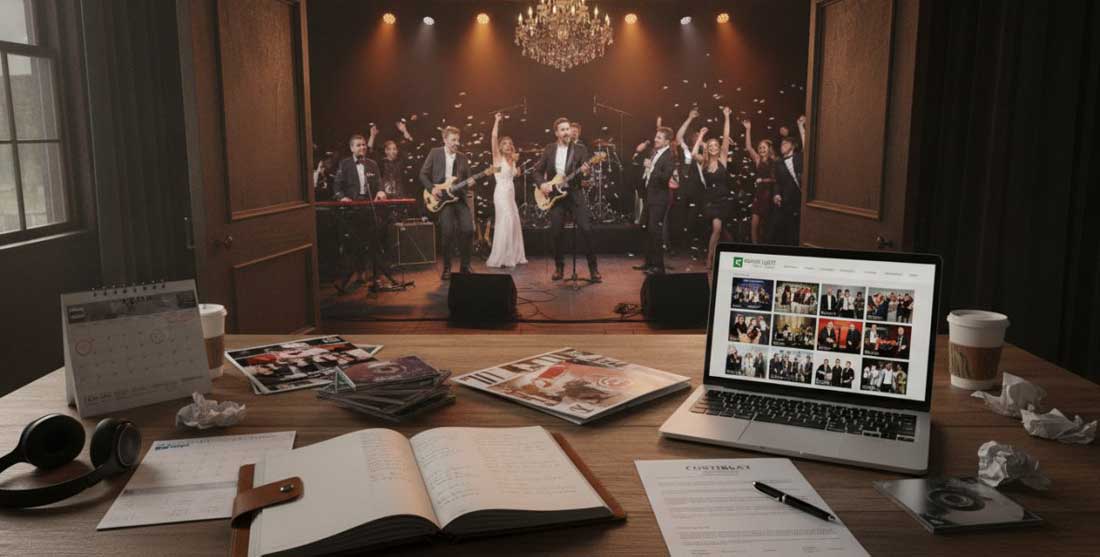
Working out contract details for hiring a live band for an event, including event details, performance scope, technical requirements, and fees.
What to look for in the fine print
Your document should leave no room for uncertainty. It must name the parties involved and give the exact date, time and location of the event. Be explicit about the scope of performance – the number and duration of sets, and any flexibility for guest requests. The pricing should be clearly laid out, including the total fee, what’s included and the deposit and balance schedule. And include contingencies for the off chance a member falls ill.
Red flags to watch for
If the scope of work is vague, or there’s no mention of liability insurance (a mark of any professional), be careful. With deposits, the norm is 50 percent and non-refundable upon cancellation. Overtime charges always need to be defined up front rather than left to interpretation. When you book a band from Green Light Bands, overtime is a regular occurrence because clients and guests are always so impressed by the band they book, they don’t want the dancing to stop.
How long they should be on stage
That will be determined by the type of event and what your guests expect. At a wedding reception you’re looking at four to six hours to get through the cocktail hour, dinner, cake and dancing. A corporate gala may run four or five hours whereas a private party is more like two or three. Fairs and festivals are another matter entirely, with single bands rotating in for 45 to 90 minutes or one band performing for a couple of hours or more.
Pacing and breaks
For any event that’s lengthy, add in some down time. A four-hour gig needs to have a couple of 15-20 minute breaks so the band can rest and the guests can as well. High energy bands also burn a lot of calories and need water during the breaks. Talk to them about pacing before the event; they’ll most likely start with some high-energy numbers and then read the room as the evening wears on.
Live Band Pricing for Events: Average Costs
You won’t usually find a single price when it comes to live band cost, because each event is different and there are too many variables at play.
Factors Influencing the Bottom Line
When you book live bands for events, the reputation and experience of the band is paramount, and the biggest factor in the cost of hiring them. An inexperienced local band will be more affordable than an established band that’s in demand. Then there’s the matter of location; if a band has to travel a long distance to get to your venue, expect travel fees. The type of event you’re planning and the time of year also come into play. Saturday dates and peak season gigs will usually command a higher price over a weekday booking. Consider the size of the band as well: a five-piece with a complete sound system costs more than an acoustic trio. And naturally, a four-hour will typically run you more than two hours.
Get a Quote and Work Out the Details
Request quotes from no fewer than three live bands that seems perfect for what you’re looking for. Be precise in your inquiries – give them the date of the event, the venue type, how many guests are expected, the duration and any special requirements. Once you receive the quotes, make sure you understand exactly what you’re paying for. Is their sound system part of the deal? What about setup and breakdown?
There’s room to negotiate with some bands, particularly for off-peak dates. If you can be flexible on the date or can possibly hire them for more than one event, you may be able to get a 10 to 15 per cent discount.
Selecting the Right Act and Genre
Cover Bands and Top 40
Professional cover bands are a staple in the event market for good reason: they put on a high energy show with songs your guests are familiar with. A Top 40 band will play current radio hits with old party standards, making them a good fit for nearly any crowd. The downside is they’re lots of bands to choose from, so do your homework and watch sample videos before committing. For corporate parties or milestone events where the audience may be older, a classic rock cover band is often a great way to go.
Jazz, Acoustic and Specialty
For a classier, intimate setting like an upscale dinner or cocktail hour, a jazz trio or swing band, or maybe an acoustic duo or trio, is hard to beat. There are also specialty styles depending on your particular event theme. A country band is good for a rustic wedding, while a bluegrass ensemble will fit an outdoor festival.
Your event may also call for a group like the Motones, a Motown tribute band that brings a certain heat to parties and events. But ask any prospective band how deep their repertoire is. Are they recycling the same 30 numbers or do they have 50 plus in the tank? Can they tailor their style to the room?
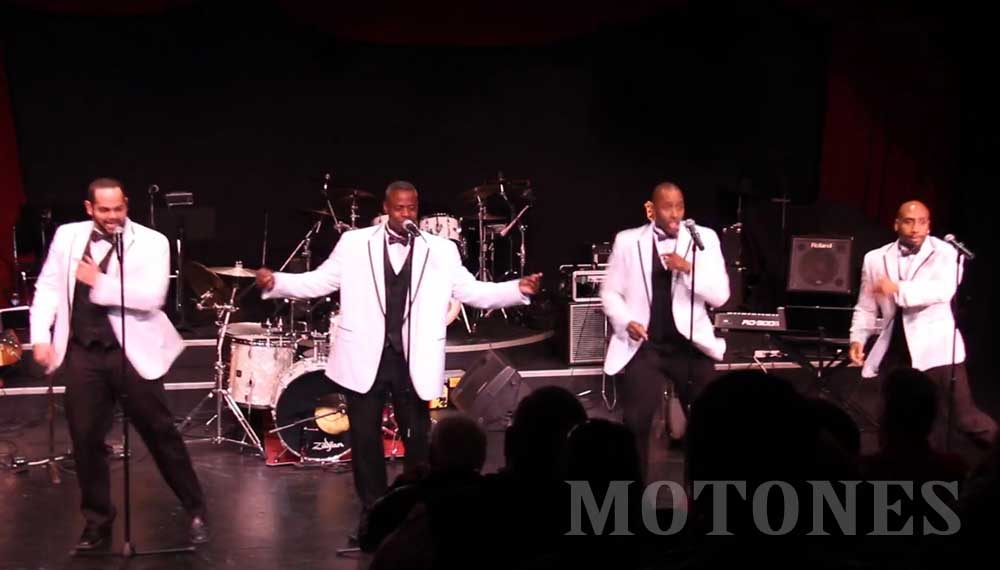
The Motones: A Hot Motown Tribute Group for Parties and Events
Pitfalls to Avoid in Booking
Don’t leave things until the last minute. Good bands are often booked months ahead, so try to start looking 12 months before your date. And never rely on a verbal agreement; this can create disagreements later on. Put everything in a contract.
Be cautious of a quote that’s well below market value. It’s a red flag that points to inexperience or services left out of the price. Check with the venue on technical limitations before you sign on the dotted line. Finally, don’t assume the band will intuitively know how to read the room for pacing and energy, and make sure you’ve watched their promo videos. Also, discuss contingencies. If the lead singer calls in sick, a professional band will have equally talented substitutes. Be clear in your communication as to how you want the event to unfold.
There’s a difference between a simple gathering and a memorable experience, and booking a live band such as Party Echelon can make that distinction. To get the most out of the process, you need to be deliberate in platform selection and vetting, have a firm idea of what you want, and put protections in place with written contracts. An early start gives you flexibility on price and offers quality bands that are still available. Don’t be afraid to ask questions; it’s the best way to avoid any unpleasantness or disagreements later on. And by taking the time to read client reviews and watch some videos, you’ll be far less likely to hire a band that doesn’t measure up when the time comes.
If you’re looking to take the next step and book a band, Green Light Bands has a way of helping clients find bands that guests will not forget. These exclusive bands put on high-energy shows across a range of styles and bring the kind of professionalism and adaptability that elevates any type of occasion. Their bands offer everything from Top 40 and classic rock to country, jazz and bluegrass. Call us today and talk through your event, and let us help you put together the right band for your event.
Frequently Asked Questions
How far ahead do I need to book live bands for events?
The consensus among event professionals is 9-12 months for weddings and major corporate functions. You’ll find that well-known bands and the spring and summer seasons are in high demand, so beginning your search early opens up more options. Six to nine months will usually do for a smaller private party or during a quieter time of year. In any case, check availability and pay a deposit with a signed contract to make sure you’ve got your band locked in.
What are the things to consider when hiring a band?
You want to see reviews from previous clients and, if they have them, some promo or live video. Make sure they will provide their own equipment and technical expertise, can work the setlist and music styles you have in mind, and carry liability insurance. A good professional band will communicate well and present a clearly written performance contract. Also inquire as to their familiarity with your type of event and if they’re open to customization.
Is a contract necessary?
Without question. A contract between you and the band is a means of protecting both parties. The contract should spell out the date, venue, duration of performance, payment details and any technical rider requirements. Look for clauses on liability and insurance as well as any special requests. Read over the document before you put your name on it.
What questions are important to ask before booking?
Find out about their experience with similar events, their approach to setlists and first dances or ceremony music, and their break schedule. Ask for client references and to see some live sample videos if they have any. Getting a handle on these things from the start ensures the band is a good fit and won’t come with surprises.
What’s the cost involved?
It’s hard to put a figure on it without knowing the specifics. The total price is influenced by the size, experience, and popularity of the band, where and when the event will take place, and even the day of the week. Most professional bands will have packages that include everything such as performance, production equipment, travel costs, and more. Instead of guessing, call a booking agency for a quote. Green Light Bands will be able to give you pricing that’s specific to your requirements.