
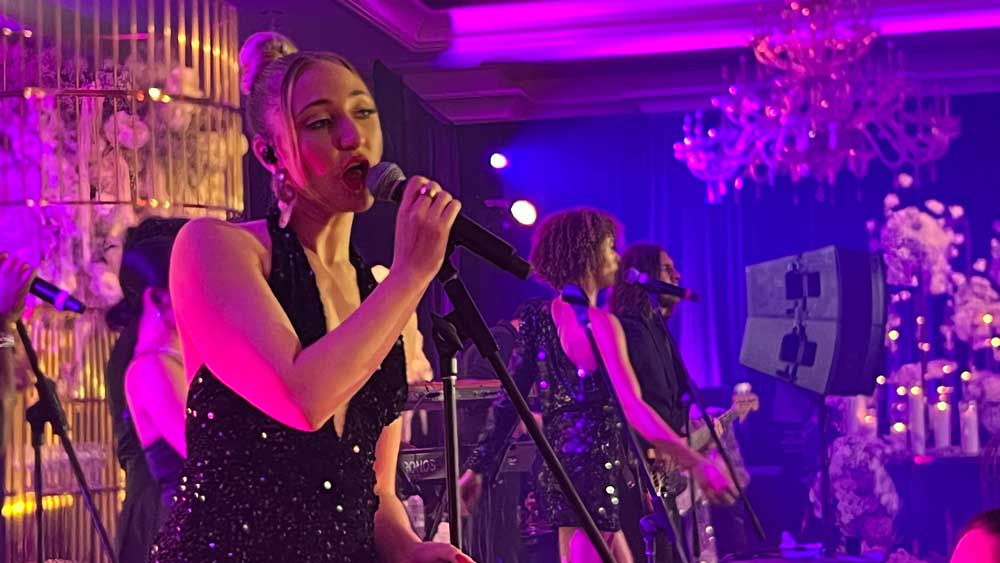
Planning Your Wedding Reception Music
Planning the music for your wedding reception is a big job, though you’d be hard pressed to find a couple who only thinks of it as an afterthought. Do it properly and you’ll have a wedding party that’ll be the talk of the town for years; do it poorly and by 8 or 9 PM the dance floor will be deserted and your guests, the ones that haven’t left yet, will be left in awkward silence. Green Light Bands has put together this guide to walk you through the ins and outs of it all: from putting together a ceremony timeline to the matter of music licensing and DIY playlists, and how to handle requests from guests.
Most guides make the error of concentrating on song selection to the exclusion of the technical, legal and logistical underpinnings required to make the music work. We intend to show you how to construct a plan in full, one that’s mindful of your venue’s acoustics, the cultural make up of your guests and the laws of public performance.
A good wedding music plan is a document with some structure to it. It lays out what style of music or mood accompanies each part of the ceremony and reception and includes what, if anything, the guests can request, the equipment needed, and who’s in charge of the music. Lacking such a plan, the best list of songs can disintegrate when your event goes live.
How to Plan Wedding Reception Music to Suit Your Vibe
Defining the Atmosphere and Theme of Your Wedding
Couples often put together a playlist before they have established a vibe, which is one of the cardinal sins. To select songs without an atmospheric brief is like picking out paint for a room you haven’t yet figured out what you’re going to use that room for.
Be candid in your answers to these four questions:
- The dinner experience: do you want it to be energized and social or more of a relaxed, intimate affair?
- What’s the character of the dance floor at its height? Are we talking country line dancing, Motown or the latest Top 40?
- Who are your guests and what are their ages?
- Which band is a good fit for your vision?
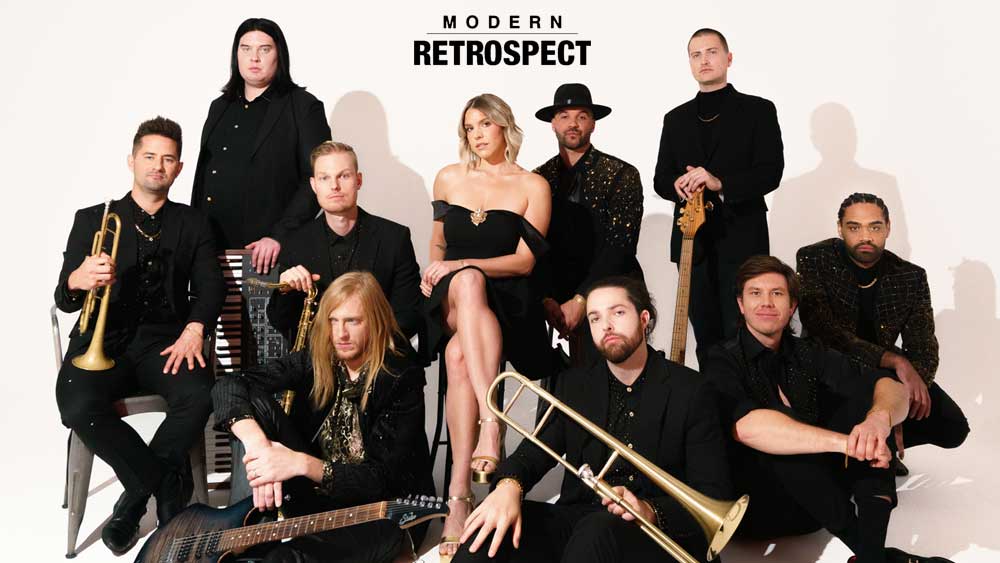
Modern Retrospect Band Pumping Out Wedding Reception Dance Music
The vibe of the wedding is more than an aesthetic consideration; it’s something that will help answer lots of questions about what type of music group you should hire for your celebration. An intimate jazz dinner and a Top 40 blowout are two very different propositions in terms of timing, the kind of performer you need and the production equipment. Decide exactly how you want your wedding to go before you commit even one song to the playlist. Say you want nothing but high energy dance music to keep the floor full, then you should engage a band along the lines of Modern Retrospect or Rhinestone Rodeo.
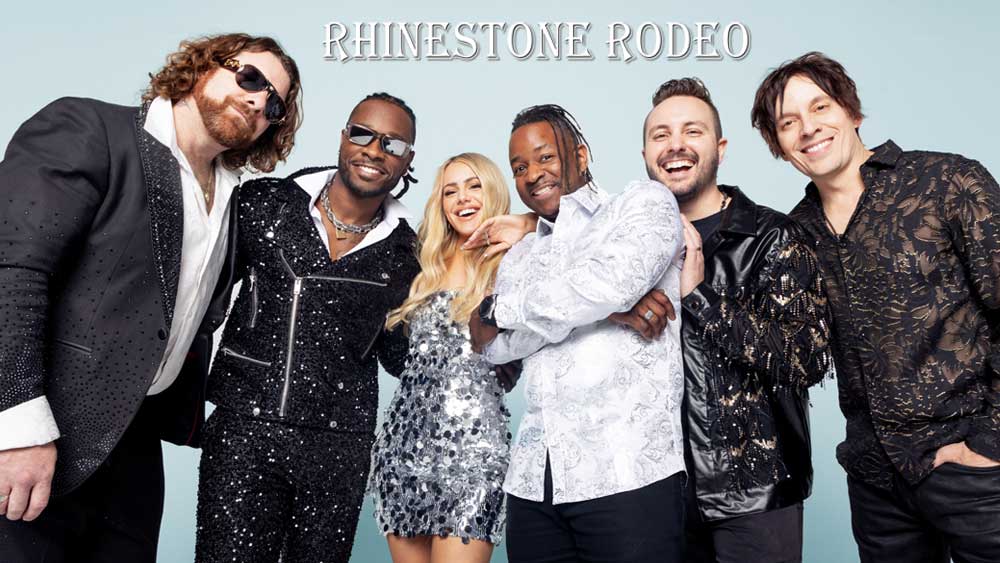
Rhinestone Rodeo: Pop and Country Music Wedding Reception Cover Band
Wedding DJ or Live Band
There’s no question that the choice between the two is consequential, driven by your priorities as much as your budget.
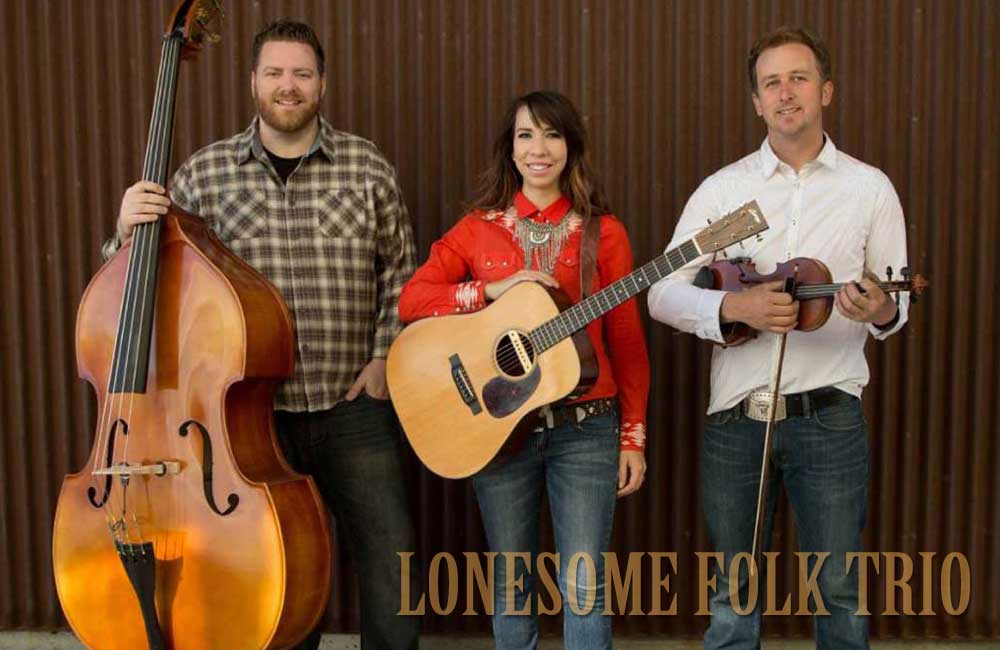
Lonesome Folk Trio: Bluegrass and Folk Music for Weddings
What a live band brings to the table is a visual element that a DJ is physically unable to provide. Your guests are there to see musicians, not a laptop. There’s a contagion to the energy that’s seldom equaled by a recording. Green Light Bands, for example, fields bluegrass bands, classic rock bands, jazz and swing bands, and Top 40 bands, which means the band itself becomes part of the entertainment rather than just background infrastructure. As an example, if you’re planning a country-themed wedding, either a country band or a bluegrass ensemble like the talented Lonesome Folk Trio can be a good fit.
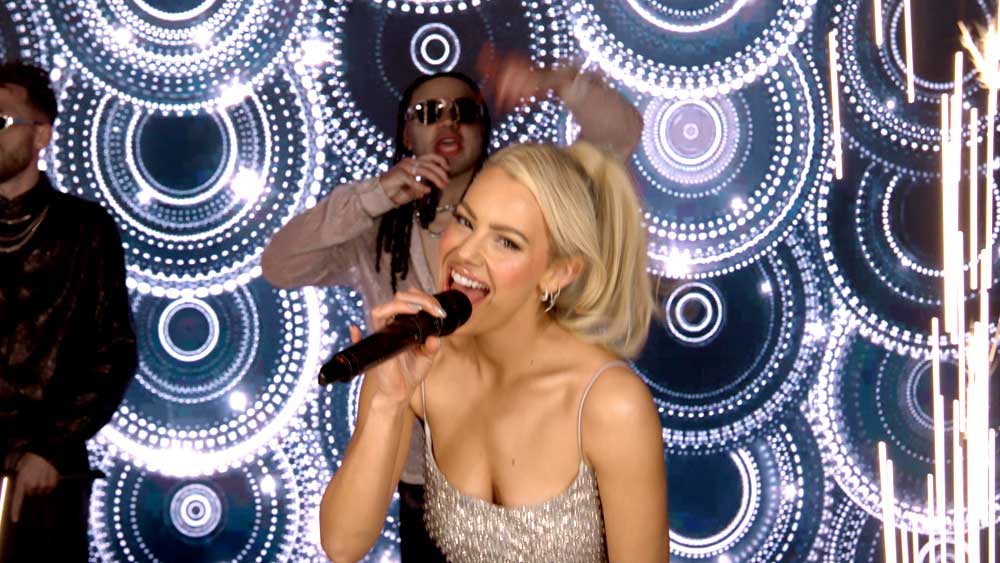
Glitterati Band for Wedding Reception Parties
Bands like Party Echelon and Glitterati are the full entertainment package and not just background music. Any wedding couple would be lucky to bring in one of these world-class wedding bands.
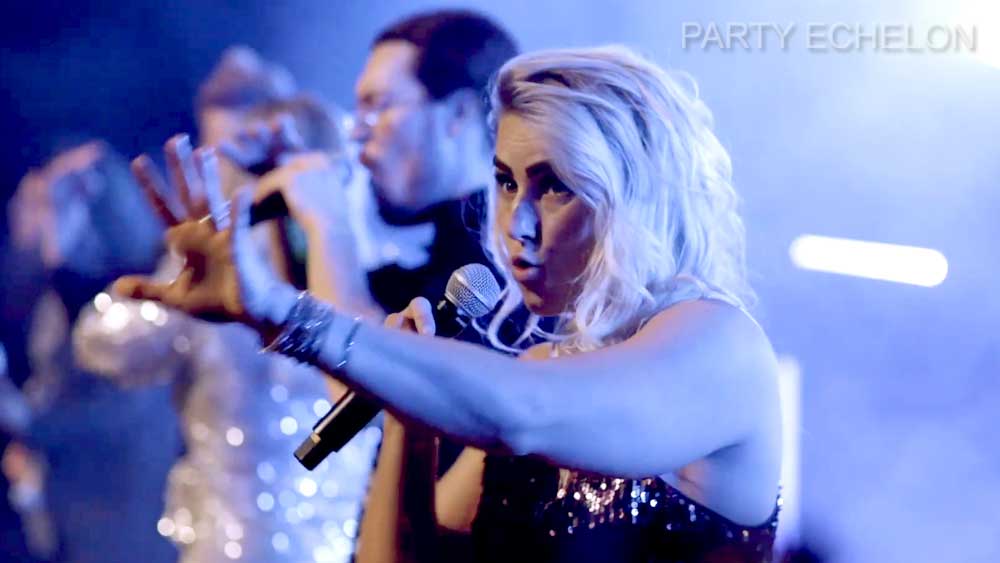
Party Echelon: Live Reception Party Band
Atmosphere is where a live band like Music City Groove has the edge for any reception with a good dance floor. Where a DJ is preferable is when you have a multi-generational crowd with divergent tastes and need the depth of their music library. Some wedding couples go for a hybrid approach: a band for the first couple of hours and a DJ to see them in for the late night.

Music City Groove Party Band for Weddings
A Timeline for Your Reception Music
Think of the wedding reception music timeline as a schedule that lays things out right down to the moment, designating a song or genre for every segment from the time guests arrive to the last number of the evening. Put one in place and you avoid the dead air at transitions that’s the bane of many receptions.
An example of the way to structure it:
- When guests come in (some 30-45 min prior to the ceremony): something soft and instrumental by way of background music
- Processional: the aisle song for the bridal party and entry
- While the register is being signed: an acoustic or vocal piece or two
- Recessional: an upbeat, celebratory piece for the couple’s exit
- Cocktails (45-90 min): light background or some jazz and acoustic pop
- Seating for dinner: a change of pace from the cocktail hour
- During service: background music kept at a volume conducive to conversation
- The first dance
- Dances with parents: Father-daughter dance and mother-son dance if applicable
- Open dancing: for the peak energy on the dance floor, you want high-octane sets and crowd-pleasers.
- The last song: a purposeful way to end things, not something that just fades out by chance.
Treat your timeline as a means of communication with the DJ or band. Give it to them no later than two weeks prior to the wedding to give them time to make any necessary adjustments or transitions and raise any technical issues they may have.
Ceremony Music: From the Aisle Song to the Recessional and Signing of the Register
There’s a three-act structure to ceremony music, each with its own emotional function. You have the processional to create anticipation, the signing of the register for an intimate feeling, then the recessional to let go of the ceremony’s tension in favor of some joy.
An aisle song is about tempo, not what’s on the title. It has to be in step with the bridal party, so 60-70 BPM (beats per minute) for a dignified, measured walk. What sounds right at home can come across as a drag or too hurried when you’re actually walking to it; make sure to put it to the test.
Couples frequently under invest in the recessional, and yet this is the first moment as a married couple and will dictate the mood for the reception from the get go. Something like “Signed, Sealed, Delivered” or Earth, Wind & Fire’s “September” is a classic for a reason, being both celebratory and well known. Guests tend to recall the recessional more vividly than most, so picking the right song is of disproportionate consequence.
Background Music for Cocktail Hour and Canapés
The object here is to keep up the energy while still allowing for conversation. You don’t want to be shouting over the music, or have the room feel empty because it’s too hushed. Jazz trios, light bossa nova or acoustic pop covers are ideal. They’re engaging but won’t have the last word in a discussion. A live duo or trio can result in a good performance in a smaller format while the rest of the band makes ready for the reception.
Don’t leave volume control to matters of preference. Instruct the DJ or band on the decibel level you want for the space and insist on a sound check in the room before the guests are there.
Reception Music: First Dance through to the Last Song
The first dance is the emotional center of the reception. While the choice of song is personal, logistically speaking a 3-4 minute number can seem like an eternity on an otherwise vacant dance floor. Some couples have their wedding party come in part way through, others will have the song edited down to 2-2.5 minutes.
Next is the move from the first dance to open dancing. A good DJ or band will know how to work the room with the opening few songs, playing some familiar crowd-pleasers to draw people out onto the dance floor. Those first numbers set the tone for the entire night.
Wedding Reception Music Ideas
Crowd-Pleasers for a Packed Dance Floor
Any band worth its salt will be able to read the room and plan accordingly rather than leave it to the DJ to sort out. The arc of the dance floor is predictable in that it’ll build and peak, and with the best bands, keep the energy high from start to finish.
A true crowd-pleaser, something like “Don’t Stop Believin’,” “Uptown Funk” or “Dancing Queen”, has a strong rhythm and a sing-along chorus even if the verses are not known, and is identifiable in the first two seconds. These have been staples for years for satisfying all of those requirements.
We would suggest a practical method of building your ideas in three tiers:
- Anchor songs: 3-5 to guarantee some traffic on the floor and put your stamp on it.
- Genre blocks: 20-30 minute sets to put in a sustained run of energy.
- Wildcards: 3-4 unexpected choices for personality and to be remembered.
For the Non-Dancer
Something you won’t find in most guides is the fact that not all of your guests are going to be on the dance floor, and to overlook them is poor hospitality.
You need to provide some acoustic comfort where the vibe is conversational. If the venue has an outdoor terrace or lounge, use it and have background music running at a lower volume apart from the main floor. Or put in a jazz quartet at cocktail hour, a short acoustic set at dinner, or a quiet hour to start the evening. It’s a way of giving those who would rather listen a quality experience without having to put up with a 100-decibel dance floor.
Is a Do Not Play List in Order for Your Band or DJ?
There’s no question that a do-not-play list has its place at a wedding, but with a live band it should be a very short list. An experienced band will know how to work a crowd and put bodies on the dance floor. Couples are sure to have their fair share of must-plays and songs they would rather not hear, but an attempt to dictate every song can sap the reception of its energy. Some bands will even refuse the job if these lists are too extensive. Better to let the band read the room and make adjustments; they’ll keep the dance floor rocking all night as they’re meant to. Hire a DJ and put a DIY playlist in front of them and you can load up the list as you see fit.
Most guides will tell you the do-not-play list is for one thing, but it’s really about three things:
- Personal protection: You want to put a stop to anything that’ll make you or your partner ill at ease before 100 guests, whether it’s a song from a funeral or an ex’s song.
- Vibe protection: Some tracks may be of the right genre but not the right atmosphere. A black-tie formal reception is no place for “Baby Got Back” even if a DJ could argue the genre is correct.
- Guest protection: To avoid offending or alienating any of your guests, especially when your list is multigenerational or multicultural, filter out anything with problematic lyrics or cultural overtones.
How Much Detail is Required?
It’s all a matter of what kind of performer you have.
For a DJ: Be specific down to the song for personal and guest-protection matters and by artist or genre to protect the vibe. A good DJ will have millions of tracks at his disposal and make calls in the moment according to the crowd. If he doesn’t see a genre or era blocked off, he may well go there if the mood is right. That’s his job, not a shortcoming, but if you have strong objections, make sure they’re in writing.
A vague way to handle vibe protection: “No sad songs.”
An actionable one: “After 9 PM we don’t want slow numbers (save them for the last dance). No country in the first hour. And nothing with explicit lyrics, we have older guests and young children.”
For a live band: A live band is another story since their repertoire is limited when compared to a DJ. There’s nothing wrong with nixing the three or four songs you don’t want to be subjected to, but more than that will hamper the high-energy affair most couples are after. The better bands will put together medleys of 10 or 15 shortened pieces for a seamless stretch of dance music. Take one song out of such a medley and the whole thing may have to be cut from the show. So keep the list short and allow the band to put their experience to use by keeping your guests dancing and in good spirits.
For a DIY playlist: If you’re building your own playlist, the do-not-play list is something you deal with sooner rather than later, not on the day of. The hazard of the DIY approach is some well-intentioned relative getting hold of your device and putting in their own tracks. Use a device the guests can’t get to or lock the playlist from being edited.
The Cross-Cultural Element
Wedding planning guides tend to overlook the cross-cultural element, which is unfortunate given the social stakes. For the couple with differing ethnic or religious backgrounds and a guest list to match, a cross-cultural audit of the music is important. Music is not culturally neutral; a party dance hit in one circle might be tied to a political or historical context that’s entirely unsuitable for someone else. When in doubt, don’t just look for songs on the internet, ask a person from that community for some guidance. This is an uncommon issue at wedding receptions, but worth bearing in mind.
Be explicit with your DJ as to the cultural context. When a DJ is aware that a good part of your guests are of a certain background and that some artists or genres have a particular resonance for them, he or she will be in a better position to make sound calls on the fly than if they’re left to guess. There’s no need to put the DJ through a lecture; a paragraph or so in the written brief will do.
Your Wedding DJ Song Request List
Planning the music for the reception can get political when it comes to the song request list. It’s the same old dilemma for any couple: you would like your guests to be part of it, yet you’re not going to allow one person to get the DJ to turn the dance floor into his own personal jukebox.
A tiered system is the way to handle it:
- Pre-event: Put out a link to a Spotify playlist or form 2-3 weeks ahead of time. You can then go over what’s been put in and cull anything on your do-not-play list.
- The night of: Let the DJ use the authority given in your brief to take or pass on requests. Any competent one will know how to do so with grace.
- Vetoed requests: Make sure the DJ is apprised of certain guests, in-laws or parents for instance, whose wishes should be seen to in the interest of managing relationships.
Couples often find their day-of stress stems from having to manage guest expectations on the music. A pre-event form takes care of most of that before the wedding is underway.
Technical Requirements, Sound Systems and Venue Acoustics
If there’s an underappreciated variable in putting together your wedding music it’s the acoustics of the venue; it can render a technically flawless song list unpalatable. You need to understand the mechanics of the space beyond what the venue’s FAQ puts in print to have a reception that doesn’t sound like you’re in a high school gym.
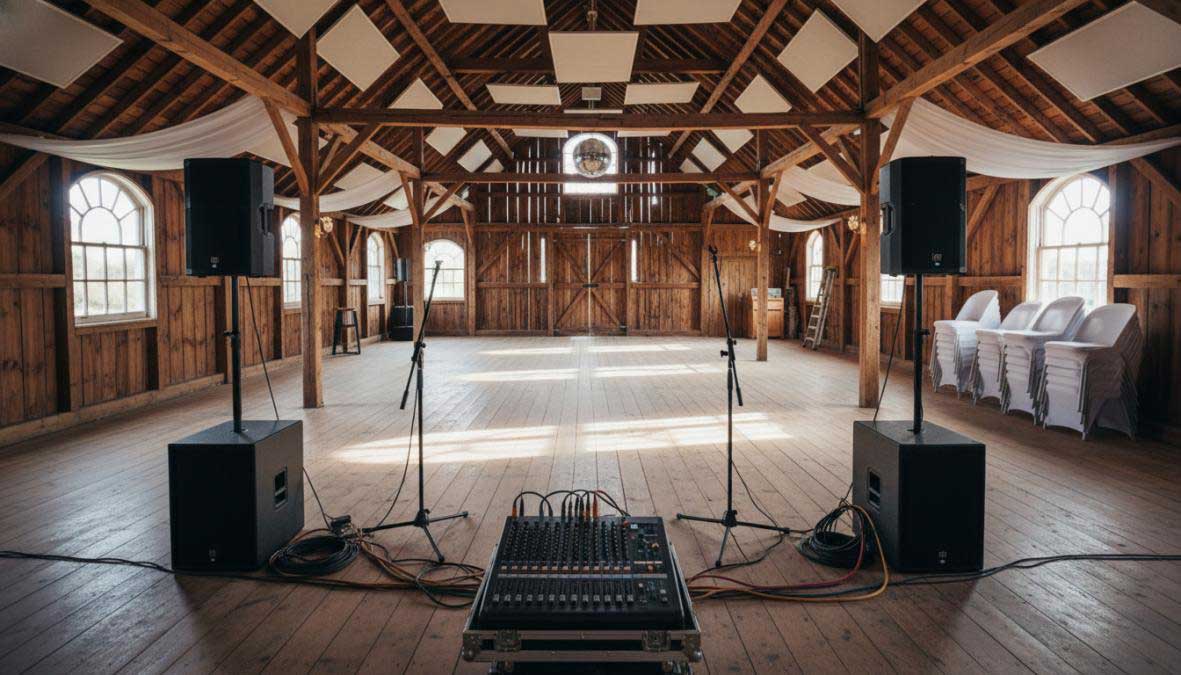
Close-up of professional audio equipment and speakers set up at a wedding reception venue, with soft string lights and floral decorations visible in the background.
Room Acoustics in Practice
Reflection and absorption are the two properties of a room that will dictate how the music is heard.
- Hard surfaces such as stone, glass or hardwood floors and low ceilings are parallel and will throw sound waves back into the room. You get reverberation, a muddying of the music with overlapping sound. Bass will pool in the corners and vocals are hard to make out, leading to sound fatigue. In a reflective room your guests will instinctively talk louder to be heard, which in turn has the DJ cranking up the volume and then they raise their voices even more. It’s why you’re left exhausted after a reception in a stone barn or conservatory.
- Then you have soft, irregular surfaces like carpeting, drapes and upholstered furniture, and the guests themselves, which will absorb sound energy and put a damper on reverberation. With 150 people in the room the mid-frequencies are being absorbed by human bodies and what sounded well balanced at a sound check without anyone there ends up being quite a different matter.
So make a point of doing a sound check under conditions as close to the event as you can. What you hear in an empty room at 2 PM is only an approximation; do it with the tables and linens in place for accuracy.
Decibels and What They Represent
You’ll see a maximum decibel level posted at most venues but few couples have any idea of the practicalities.
- 65-75 dB: Background music where conversation is effortless. Aim for this at dinner or during cocktails.
- 80-90 dB: For open dancing. Voices will have to be raised to be heard.
- 95+ dB: Loud club environment. Prolonged exposure to anything over 85 dB is tiring on the ears. Many venues will not let you go past 85-90 dB at the property line when it’s outdoors.
Where the measurement is made is of great consequence. An 85 dB limit at the nearest residential boundary may mean something very different at the speaker stack in the tent. Have the venue put you straight on where they measure. If they can’t, turn it over to your DJ or band, they’re used to making the distinction and will set up their system for it.
The Right Questions for Your Venue (and the Follow-Up)
Any wedding planning guide will supply you with questions to ask. Here are those as well as the follow-ups to elicit some real answers:
| Question | Why It Matters | Follow-Up If the Answer Is Vague |
|---|---|---|
| What is the maximum permitted decibel level? | Determines whether a live band is even viable | Ask where the measurement is taken and who enforces it |
| Is there a noise curfew? | Affects your timeline and last-dance timing | Ask whether the curfew applies to all music or only amplified music |
| Does the venue have a house sound system? | Determines what your DJ/band needs to bring | Ask for the make and model so your vendor can assess compatibility |
| What power supply is available for audio equipment? | Insufficient amperage causes breakers to trip mid-reception | Ask for the circuit amperage available at the DJ/band position specifically |
| Are there acoustic dead zones? | Some rooms have areas where sound doesn’t carry due to room geometry | Ask whether previous events have had complaints about sound coverage in specific areas |
| Is live amplified music permitted indoors, outdoors, or both? | Outdoor ceremonies often have different rules than indoor receptions | Ask whether this changes at different times of day |
Make sure you have all your answers in writing prior to signing the venue contract. You can’t remedy sound restrictions that are only uncovered when the wedding day comes around.
Technical Troubleshooting for Your DIY Playlist
For a ceremony or cocktail hour, and more often than not a full reception in an intimate venue, a DIY playlist is a workable option. However, the technical preparation it entails is something most couples don’t fully appreciate. Yet the ways in which things can go wrong are as preventable as they are predictable.
Bluetooth dropouts
A phone call or notification will make a Bluetooth speaker sever its connection with the controlling phone, as will moving beyond the 30 foot range of consumer Bluetooth (less so if there are walls in between). To avoid this, put the device in airplane mode, enabling Wi-Fi for streaming only, and make a hardwired 3.5mm or USB-C to RCA link to the mixer or speaker. An old Android or iPhone reserved for your playlist and nothing else is even better than using your primary phone.
Streaming interruptions
Unless you’ve made a point of downloading them for offline use, Apple Music and Spotify need an internet connection. Relying on the venue’s Wi-Fi is unwise when dozens of guests are on it at once. The evening before the wedding, go into your app and download every playlist you intend to put on. Put the device in airplane mode and check for any buffering; a grayed out icon means the track is not available offline and you’ll have to find another way to get it or an alternative song.
The loudness gap and volume normalization
Even with the volume knob in the same spot, a 1970s recording can be 6-10 dB softer in perception to a modern pop track by virtue of how the latter has been mastered. Turn on the normalization feature in your app (under Playback settings in Spotify, or the equivalent in Apple Music) to compensate. And for the recessional or first dance, don’t just test through your phone, but run the song at event volume on the actual system well before the day arrives.
Crossfade and transition gaps
One or two seconds of silence from a streaming app is all it takes to put an end to the momentum on a dance floor and have guests returning to their seats. In Spotify you can set a crossfade of 1 to 12 seconds in the Playback settings to smooth over the transition. Turn off the crossfade for the ceremony and employ a playlist editor to put in some deliberate spacing for clean starts and stops.
A single point of failure
Any DIY setup calls for a backup. Have a second device with the same playlist downloaded and on standby, wired up to the mixer on a secondary input or to a back-up speaker. Before the event, see if you can effect a switch from Device A to B in under half a minute with no dead air. If you can’t, you don’t have a backup plan.
Power and battery
Don’t count on the battery life of a portable sound system (PA) or Bluetooth speaker to be what the manufacturer claims in the field; high volumes and heat will take their toll. If the event runs over two hours, plug in to mains power. Take along a power strip and make certain of the location of the nearest outlet at the venue vis-a-vis where you have the speaker placed.
Legal Licensing and Cross-Cultural Music Planning
Music Licensing Requirements
Couples and vendors who aren’t aware of this are in genuine legal exposure, yet it’s something most wedding planning guides overlook.
There’s a difference between a private event and a public performance of copyrighted music, the latter needing a license. While most weddings are private, they’re held in venues with public performance obligations. The responsibility is usually on the wedding venue to have the necessary licenses from ASCAP, BMI, SESAC and the like for the commercial music being performed. With ASCAP, these licenses cover both live and recorded music at a licensed location.
Practically speaking:
- Before you book, inquire of the venue as to their current performance licenses
- An unlicensed space or a private residence could mean the obligation is yours or your DJ’s
- Your contract should spell out that a band or professional DJ is covered by his own licensing
- Venue licenses will not extend to copyright issues if you put the ceremony on Facebook Live or YouTube
Planning a Multilingual or Cross-Cultural Reception
“Just mix it up” is the kind of generic counsel one gets on cross-cultural music, but it doesn’t address the decisions at hand. It’s one of the more complicated aspects of wedding entertainment. You’re left with the tension of providing a unified experience for your various guests while respecting the musical forms of a particular tradition, whether its’s the songs called for at a South Asian wedding or the dance music expected at a Greek wedding.
Start with a written plan:
- List the ceremony requirements on paper first. There are ritual moments in many cultures for which the music is non-negotiable. You don’t have room for negotiation on these points; they need to be put in place prior to any other song being put forward.
- List the do-not-plays that are non-negotiable for every cultural group present. A song may be a cause for celebration in one culture and have an entirely different, negative connotation in another.
- For the open dance portion of the evening, make your selections from crowd-pleasers of a more universal nature. You’ll find rhythm-driven tracks with wide generational appeal will suit most backgrounds regardless of their cultural specificity.
- Make sure to give your DJ or band a clear briefing as to the cultural context. If they have to guess at how to move from one tradition to another in the first hour of dancing, they’re not going to perform as well as they would if they were fully appraised of the situation.
In the case of a multilingual wedding it’s a good idea to have the MC put in a few words in each language for the benefit of the guests, say when introducing the first dance. It’s a small thing but it tells those who might otherwise be mere onlookers that they’re part of the occasion.
Common Mistakes to Avoid: How to Plan Wedding Reception Music Without the Stress
There’s an art to planning reception music and much of it lies in what you don’t do. Here are the kinds of mistakes that have been known to put a damper on a reception.
Mistake 1: Failing to sound check at the venue itself. Don’t be content with an equipment test in a showroom or a demo recording; insist on checking the sound in the room you’ll be in – it can make a world of difference.
Mistake 2: Not giving transition time its due. Be deliberate in your music planning for the change over from cocktail hour to dinner and so on. There’s no quicker way to lose all momentum than to have silence between segments.
Mistake 3: Letting the final half-hour go unmanaged. Some bands will let the energy wane as the reception draws to a close. The ones we offer at Green Light Bands have the experience to put a proper end to a wedding and maintain the energy throughout. With a DJ, you should plan those last 30 minutes with intent: a wind-down, a closing number and a final peak of energy. Don’t allow the night to simply fizzle out.
Couples will tell you after the fact that their chief regret about the reception was not having better entertainment. That’s a problem solved by hiring a Green Light Bands’ wedding band.
When you factor in acoustics, timelines, licensing, the cultural side of things and the pressures of a live event, it’s easy to see why planning wedding music can be a bit stressful. A professional live band takes the uncertainty out of it. We have bands at Green Light Bands that know how to read a room and see to it the dance floor is full from start to finish, with production values to match and high-energy renditions of Top 40, country, jazz and classic rock. Get in touch with us to talk about your event and we’ll help you choose the perfect wedding party band.
Frequently Asked Questions
How do I put together a music timeline for the reception?
You can begin with the ceremony, cocktail hour, dinner and dancing and map them out. Give each phase an approximate duration or number of songs; 15 to 20 background pieces for a cocktail hour of an hour’s length is typical. Then work back from the time you want to end and give the timeline to your DJ or band early on. That way the first dance and the like happen as you’ve planned and the transitions are smooth.
Is a DJ or a live band the way to go?
Either will serve you well within your budget and the kind of wedding you’re having. For an atmosphere and visual excitement that puts a Spotify playlist to shame and a dance floor to match, a live band is hard to beat. A DJ will give you variety and volume control for less money. Have a look at your venue and the importance you place on entertainment before making up your mind.
What about a do-not-play list? Is it necessary?
It’s a written instruction to your DJ or live wedding band to stay away from certain material, whether it’s because of the lyrics or because it’s something of a personal nature. You should have a list, but three or four songs should be the limit. Run it by your entertainment provider.
How can I get some input from my guests?
If you’re using a DJ, put a line for song requests on the RSVP or your site and let them have at it. Or put together a Spotify playlist for ideas. Once you have the requests in hand before the day of the wedding, pass them along to the DJ and vet them against your do-not-play list. You keep the reins on the dance floor while the guests feel they have had a part in it.
Which moments should be planned for?
There’s the bridal entry and aisle song, the recessional and signing of the register, the grand entrance to the reception, the first and parent dances, the background for dinner and the night’s last song. All of these are special moments.
Do I require a license for a DIY playlist?
A private event such as a wedding is not generally covered by the public performance license of a service like Spotify. Your venue coordinator can tell you if their blanket license applies in a licensed space. In an unlicensed area for a non-commercial gathering the risk is not as great, but for the sake of caution we would suggest you speak to a licensing body in your area before you put a DIY system in place.