
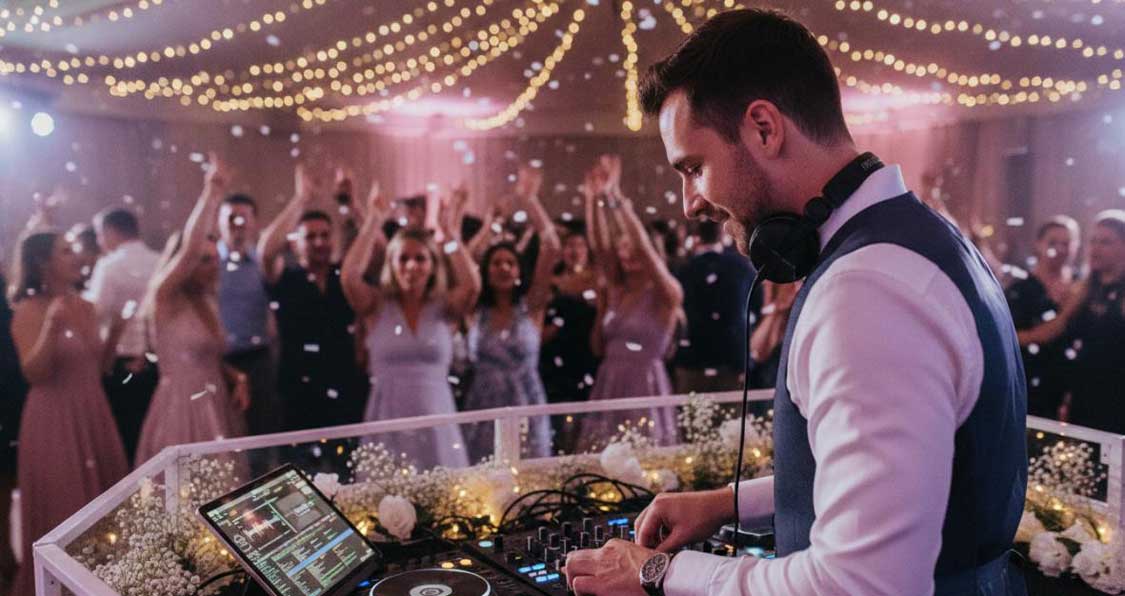
Can You Hire a Band and DJ? Is it a Good Idea?
Yes, you can hire a band and DJ for your event. Learn how to coordinate hybrid entertainment, manage logistics, and create seamless transitions.
Is it a Good Idea to Hire Both a Band and a DJ for the Same Event?
The answer is an emphatic yes. Booking live musicians and a pro DJ adds more energy than hiring one or the other. The result is nonstop momentum on the dance floor while still having the authenticity of a live band for the most important parts of the event. Of course, whether or not you should actually do it depends on several things, including your venue size and logistics, budget, and the type of event you’re planning.
Looking at the Pros and Cons of a Live Band and a DJ
A live band offers energy and excitement that pre-recorded music cannot. Bands are preferred for first dances, wedding toasts, and cocktail hours, where live music matters most. A top band can read the room and change their song list as needed to keep the dance floor active.
But there are some limitations. They need a bigger stage as well as time to load in and set up their equipment. Plus, there will be down times when they take breaks, maybe a couple of 15-20 minute breaks in a four hour time frame. The best and most popular bands are also a lot pricier than a DJ. And there’s also an availability issue – what happens if one of the band members gets sick? Fortunately, top bands always have substitutes available that are equal in talent to the original band member.
Then there’s the event DJ. They offer a constant stream of music with no breaks, and a music library of millions of songs. They can take song requests on the spot, and come with a quicker setup and a lower price. The downside is that DJ-only affairs feel less sophisticated, and the spontaneity of live musicianship is absent. And if the DJ gets sick at the last moment, you’re in a bind.
The hybrid model, hiring both, is appealing because it comes with the consistency of the DJ with the energy and emotion of the band.
How a Band and DJ Work Together at a Wedding
It all comes down to timing. A live band is typically used for the high-impact parts of the wedding, like the ceremony, key wedding toasts, and the all-important first dance. The DJ most often manages the transition periods and the bulk of the dance floor during the reception.
A typical wedding event might see the live wedding band play for the ceremony, then perform during the cocktail hour, creating atmosphere while the wedding photos are being taken. During dinner service you can choose to have the band can play softly or the DJ to provide background music. For the reception, the band can perform live for the first dance, and then the DJ can take over for the dance portion of the night. You then have the option to have the band return for a final dance set or call it a night.
This approach is best when the band is actually something along the lines of a string quartet. If you want to hire a full live wedding dance band, things can be planned differently. For example, specific musicians from the band, say a duo or trio, can perform for the ceremony, cocktail hour, and dinner, and then the full band can play high energy dance music for the reception. The DJ could replace the band musicians for any of the wedding segments before the reception, and also fill in during band breaks to keep the energy going all party long.
No matter how you decide to use the band and DJ, what’s vital is a smooth handoff. For instance, thirty seconds of dead air after the last song from the band before the DJ starts will kill the energy, so proper coordination is a must.
Budgeting for Live Music
Prices are only part of the equation. An in-demand wedding music band with their own sound equipment can run you $7,500 to $20,000 or more, depending on the size of the band and location. You can find cheaper bands, but then you’re most likely going to get an unproven or subpar act. A solid DJ might be in the $1,500 to $3,000 range and usually brings his own system.
Hiring both will be at a higher cost, but you’re paying for reliability, energy, and atmosphere. For many couples, if you’re already set on hiring a live wedding band, the extra cost for a DJ is not a huge difference. If your budget is limited, however, you’re better off booking just one or the other, not both. And don’t think you can save money by only booking the band for the ceremony and first dance; most will charge you the same amount no matter how long or short they perform. This is because they can only play for one gig a day, so they’ll have to turn down other jobs to play for yours, even if it’s only for a short time. That’s why you won’t usually see much of a discount, if any, on the rate.
DJ with Live Musicians: Making the Transitions Work
When you put a band and a DJ together, the transition is where the technical difficulty lies. The question is how to go from one to the other without any loss of energy.
Sound System Coordination: Whether the two are sharing a PA or running separate systems, there has to be some management of it. Make sure you coordinate with both the band and the DJ well in advance so there won’t be any problems with the sound systems.
Transition Timing: There should be no dead air when the DJ comes on. Have the band close out a song with some high energy, give the crowd an acknowledgement and then make way for the DJ to take up that momentum right away.
Music Handoff: Setlist overlap needs to be planned. It’s redundant if the band finishes “Don’t Stop Believin’” and the DJ puts on the very same track immediately after. The DJ’s job is to complement the band’s set, not repeat it.
Microphone Management: If the DJ will be using one of the lead singer’s microphones, make sure the volume and positioning have are taken care of.
Contingency Plan: You may want one. Some wedding couples hire a second DJ for backup, or have the band ready with extended setlists in case the DJ runs into trouble. However, this is seldom necessary, so it’s usually not a problem to skip booking two DJs.
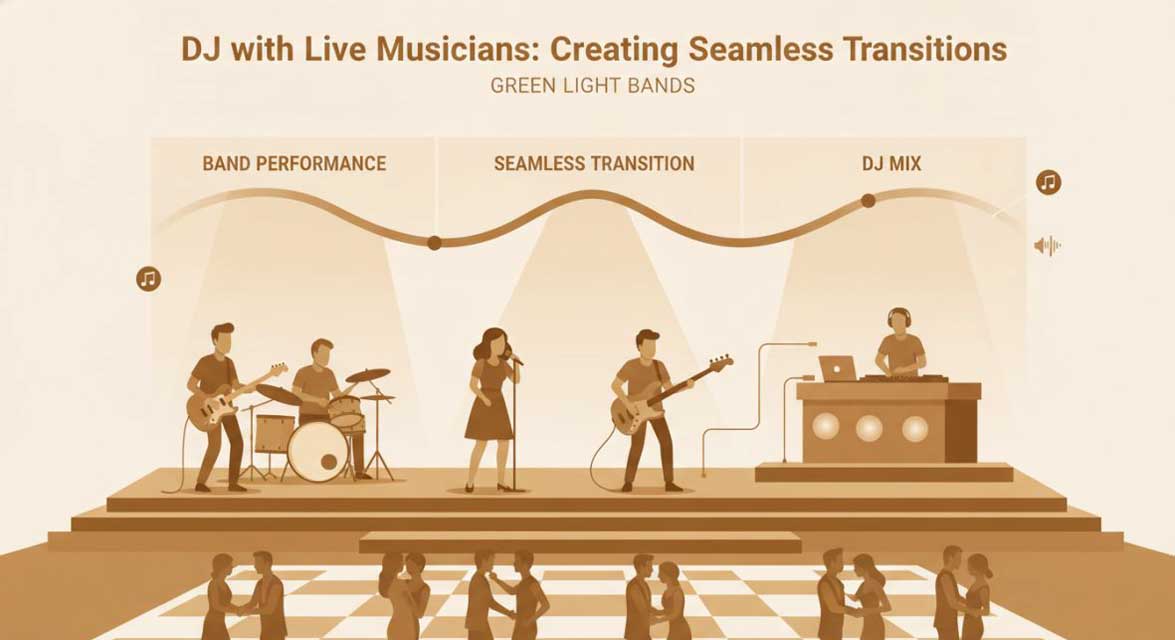
Live band performing on stage with DJ booth visible in background, both musicians and DJ equipment working together during a wedding reception with warm stage lighting.
A Few Top Live Wedding Reception Bands from Green Light Bands
Metro Music Club has a way of making wedding music entertainment feel energetic and fun. They pump out a continuous stream of pop, R&B, funk, and soul with their powerhouse vocals, and put on an exciting show that guests rave about long after the last note has been played.
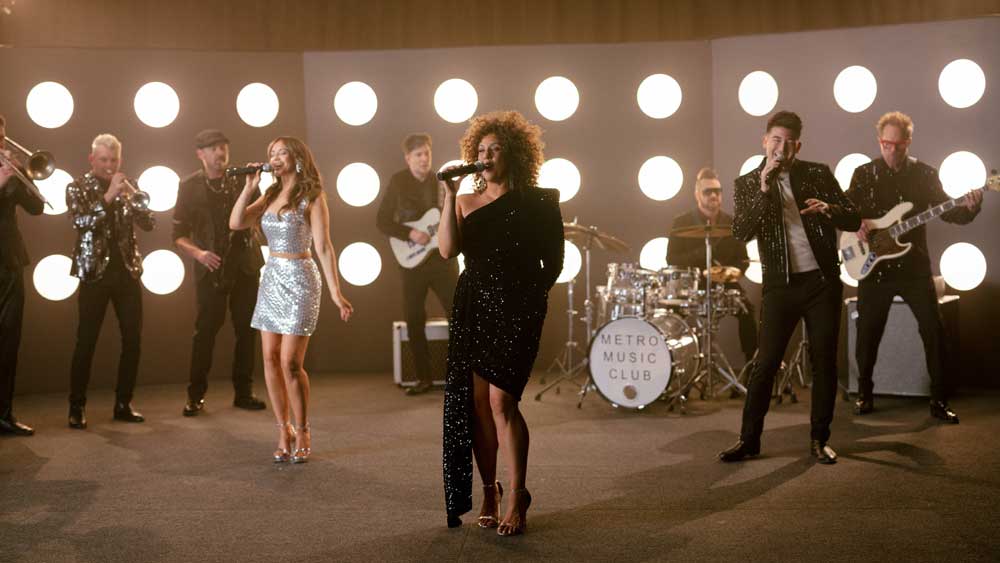
Metro Music Club with Powerhouse Vocals
Red Hot Revolution is a high energy band that turns wedding receptions into concerts. Their tour-tested musicians and show-stopping vocalists bring nonstop energy to every event, building the right kind of momentum from the first dance to the last hit.
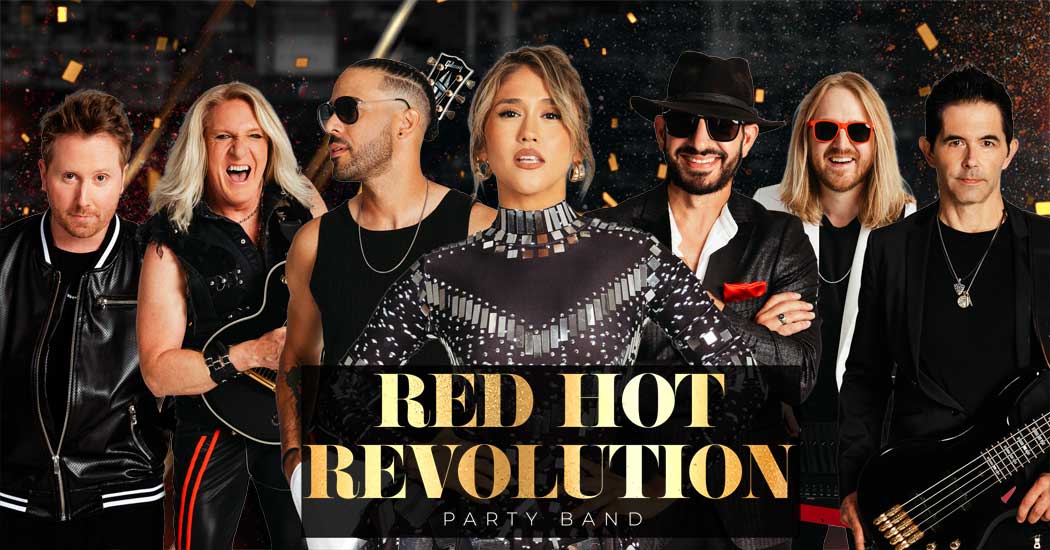
Red Hot Revolution High Energy Wedding Entertainment
For those expecting the party of a lifetime, Party Echelon is another band that’s hard to forget. They’re more than just a good band. With dynamic choreography, computerized lighting, and some irresistible interaction with the crowd, they put on a dazzling show.
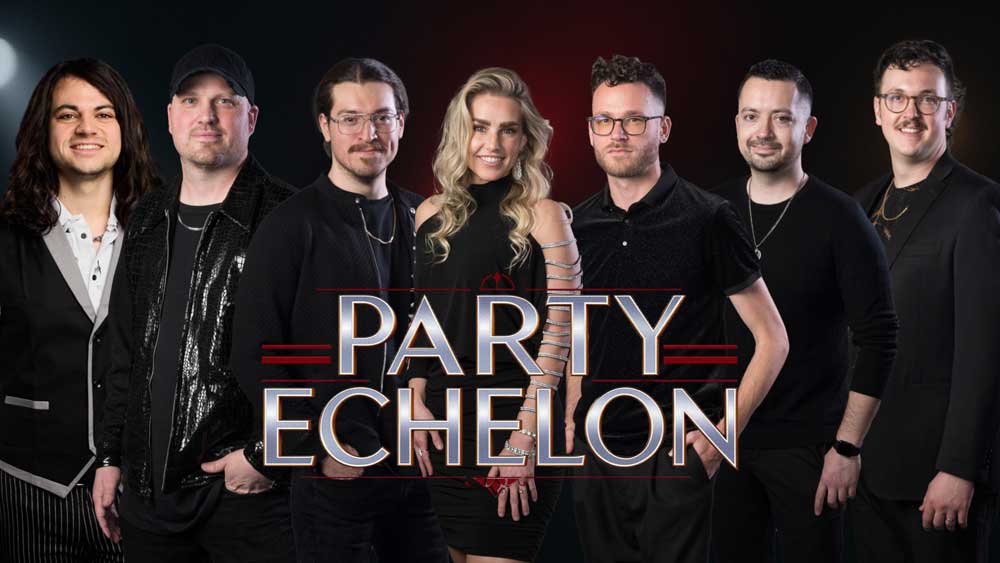
Party Echelon: Explosive Band for Receptions
Music City Groove offers dance music that appeals to all generations. Their world-class vocals and stage presence, along with a song list that covers everything from pop to rock to country, ensures the music keeps flowing and the dance floor stays full.
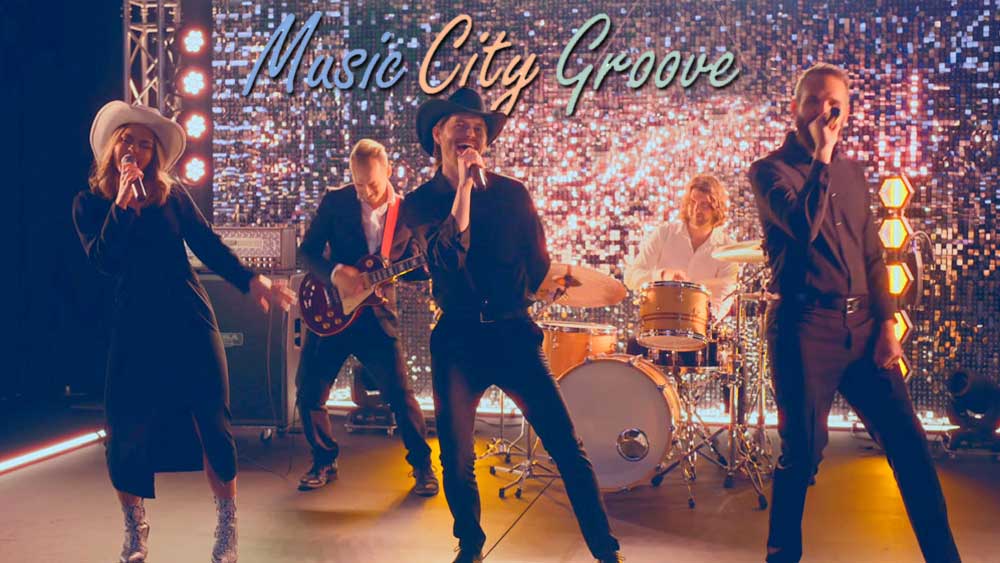
Music City Groove Live Band for Weddings
Wedding Entertainment Ideas for the Hybrid Approach
The Full-Service Plan: This is by far the most popular way to hire both a DJ and a live band. You have the band play for the ceremony and cocktail hour and the DJ for the reception, a total of 4 to 6 hours. On the other hand, nothing matches the audience engagement that a live dance band can bring to the reception.
The Spotlight Approach: If the DJ is handling the bulk of the reception, you can have the band come on for a couple of important moments – the first dance and maybe a final set, high-energy closer. It can sometimes be a cost-effective way to include live music moments.
The Alternating Band and DJ Model: Have the band and DJ trade off in 45-minute segments. It won’t sustain the intensity and energy of a full band performance, but it does keep things varied and fresh.
The Integrated Approach: Here you have a professional band and a DJ working as one act. It’s the most refined option, and will come at a premium price. However, if you’re looking for a string quartet and a DJ to work together, take a look at Emerald Electric Strings. They come with four talented string musicians and a DJ.
The Technical Rider and Sound Engineering for Hybrid Setups
A technical rider is the document that lays out in great detail what a band or DJ requires, from power and equipment to stage dimensions and the level of support they expect. In a hybrid situation with both a band and a DJ, each will have their own rider and it’s imperative the two are in agreement.
Critical Compatibility Issues: Compatibility matters need to be settled well before the event. A band’s rider will call for specific microphones, instrument amps, monitor speakers and so on. The DJ will be looking at inputs for turntables, mixer specs and where the speakers go. These are not things to be left to chance.
Sound Check and Monitor Mix Protocol: With a hybrid setup, it’s a more involved process, so you should allow at least 90 minutes, possibly longer, for a proper hybrid sound check. This also means you’ll want to know if the venue has a fee for the extra time. An experienced sound engineer will be on hand to manage the main mix for the audience and the DJ. They will also make sure the band can hear themselves in their own separate monitor mix or in-ear monitors.
Power and Cables: The venue should have dedicated circuits for the sound gear. And for an outdoor wedding event, having backup power is a smart move.
Vendor Coordination and Contractual Items
Contract Requirements: Be sure to read the contract carefully. For the band, be very clear about the performance times, payment schedule (deposit and balance amounts and due dates), and any contingencies for illness. Make it very clear who is in charge of providing the sound system – are they bringing their own sound or using the house system? The DJ contract should include MC duties, your music preferences, what equipment they’re providing, and their backup plans.
Coordination Clause: A good coordination clause in either contract will see the band and DJ in touch with the event planner ahead of time to fix any incompatible arrangements in advance. And don’t forget liability; both should carry insurance, and your own event coverage needs to extend to entertainment incidents. As for payment, the norm is a 50 percent deposit to hold the date with the balance coming due a week or two before the event.
Dealing with Band Breaks and DJ Sets
The Problem: You can run into a problem when the band finishes a 90-minute set and goes for a 30-minute break. If the DJ is not ready to step in immediately, the room will lose its energy. The solution is to have the DJ play high energy dance music during that break, and not just provide background music. They should be driving the dance floor.
Setlist Coordination: It also helps to coordinate song lists between the two so the band won’t be playing the same songs as the DJ plays during the breaks. When the band does come back on stage, they need to match or top the energy and momentum that’s already in the room.
Creating a Seamless Musical Flow
You want to think of the entire evening as a single musical experience rather than separate blocks of music entertainment. Here’s what you want: an intimate beginning for the ceremony and cocktails, building through dinner and the first dance, then high energy dance music to the end. If you hire a full live wedding band for the reception dance music, and don’t have a DJ, it’s always good to do your toasts or other activities during the band breaks.
Song Selection Strategy: Work with the talent to put together a master setlist that makes sense. If you’re inclined to micromanage with long “must-play” lists, a DJ can often accommodate those better than a band, which will likely want to stick closely to its setlist. Think of the entire event as one continuous musical experience, not separate entertainment blocks.
Tempo and Energy Progression: Keep the right tempo for the various wedding segments – about 80-100 BPM for cocktails, moving to 120-130 for dancing.
Signature Songs: It’s also good to have 3-5 signature songs in mind that speak to your personality, especially for special dances; either the band or the DJ need to be familiar with them and know when to play them.
Flexibility: Flexibility is also important. Even with the best-laid plans, you have to be prepared to go with the flow. If the crowd becomes more energetic than anticipated, the DJ needs to match that energy. Both the band and DJ have to be responsive.
Frequently Asked Questions
Is it possible to hire both a band and DJ for an event?
It certainly is. And when you get it right, it’s by far the most engaging way to entertain your wedding guests. The appeal of hiring both is that it combines the consistency and flexibility of a pro DJ with the energy and emotional authenticity that only live music can provide. But the only way it works is when it’s viewed as a single, unified experience rather than two distinct forms of entertainment. That’s where good coordination, solid contracts, and technical preparedness keep things from descending into chaos.
Why is hiring a band and DJ a good idea?
The combination gives you the best of both worlds: the live energy and emotional pull of a live wedding band combined with the vast library of music and versatility of a DJ. It means there’s no dead air, and nothing but smooth transitions from the ceremony through the cocktail hour and on to the reception. While a good band can give you a high-energy show at the peak of the night, the DJ can fill in the gaps with playlists suited specifically to your wedding guests.
Does it cost more to book both?
Typically yes, more so than if you were to hire them individually. But the price you pay is an investment in the overall guest experience. However, costs will vary according to location, the size of the band, and how long the event runs. For a quote that reflects your particular needs and crowd size, contact Green Light Bands.
How do the two avoid stepping on each other’s toes?
It comes down to communication and having set times for each form of entertainment. A well-planned timeline will make it clear when the band is on and when the DJ takes over. You need to have written agreements covering everything from equipment specs to contingencies, and an MC or coordinator to navigate the transitions. Both should have compatible PA systems and their sound checks need to be in sync.
What are some good ways to use a band and DJ combo at a wedding?
There are several effective options. You might hire a small band or quartet for dinner and the DJ for late-night dancing, or have the band play for the first dance and special occasions while the DJ plays dance music for the majority of the reception. Then there are high-energy outfits like those from Green Light Bands which can play for all parts of the wedding and reception, including providing pre-recorded music during the band breaks. Metro Music Club is an excellent example; they have a DJ as part of the band, which makes booking a cinch.
Are there any logistical headaches to anticipate?
Yes. Stage space can be at a premium, as can power and audio equipment. You’ll want to make sure there are enough power outlets and room for the equipment, not to mention clear sightlines for the talent. A sound check can sometimes drag on, so allow at least 60 to 90 minutes, possibly more. And if your event is outdoors, make sure you have an alternate location in case the weather gets bad. An experienced event coordinator or an entertainment company like Green Light Bands can help you plan the perfect event.