
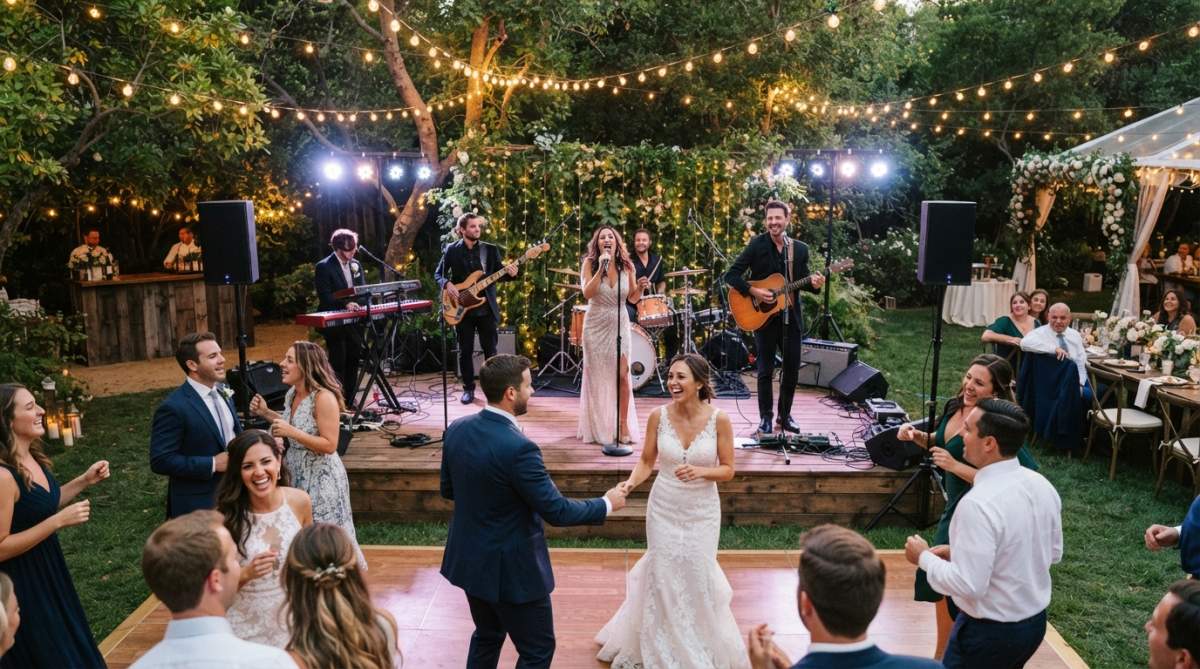
Plan Live Music for Small Backyard Weddings
Live music for backyard weddings: Learn how to plan live music for small backyard weddings. Discover sound systems, permits, band selection, and logistics for live musicians.
How to Plan Live Music for Backyard Weddings: Key Considerations
At Green Light Bands, we love providing live music for small backyard weddings, but there are three key decisions you need to make to ensure the music fits your wedding: which performers to hire, how to set up the technical equipment they’ll need, and the logistics of making it all work in your backyard.
More and more couples are choosing live music for small backyard weddings because they appreciate the intimacy and authenticity that it offers, and it doesn’t matter how expensive a wedding venue or ballroom is, they just can’t match the feel of a backyard wedding.
If you’ve always dreamed of a fairytale-like wedding, but can’t afford a high-end hotel, we have the best small wedding entertainment ideas and energetic bands that your backyard can accommodate.
Matching Band Size to Your Space
So, let’s face it! You love the idea of live music, but having an extra large band might not work out if your space is pretty small to begin with. A four-piece band might need around 200-250 square feet of space, while a solo performer generally requires only around 50-100 square feet of space.
Start with marking out your stage area, because before making a final decision, you should use your measuring tape to see what type of live music act you can accommodate.
Acoustic Guitar and Solo Performers
Generally, live music for backyard weddings can accommodate somewhere between 25 and 100 guests comfortably. If guest count is small, under 40 people, you might want to go for something more intimate, such as a solo guitarist or even an acoustic guitarist and vocalist.
But, if you’ll have around 50-75 guests, don’t shy away from going with a three-piece, four-piece or even up to a seven-piece band.
Typically, acoustic musicians and solo performers can carry on for around 45 minutes to two hours continuously. Depending on the act, they can also take breaks in between and set up with minimum hassle.
It’s true that solo voices or instruments or even a duo or trio can start to lose their energy over the 4-5 hours of a reception. That’s why many couples hire both: a solo performer or duo/trio for a more intimate ceremony and cocktail hour followed by a DJ or larger wedding band for the dancing.
Ensemble and Micro-Band Options
These options can be great for small weddings, especially if you’re in a backyard. These usually consist of two to four musicians, with the latter being perfectly balanced in terms of instrumentation. This is what you need to maintain energy!
Emerald Electric Strings can give you sophisticated acoustic arrangements that sound great even in smaller spaces. If you’re worried about too much noise disturbing your neighbors, you can use the elegant string-based approach along with a DJ.
Permits for Backyard Wedding Music: Legal and Licensing Requirements
If you’re hiring performers for your backyard wedding, always make sure to check for any noise ordinances or permits required for hosting an event.
Live music for small, backyard weddings is subject to noise ordinances the same as any other outdoor event. There is no legal “it’s my property” defense once complaints come in. Municipalities throughout the U.S. have noise ordinances with regulations pertaining to sound levels, how late in the evening noise can occur, and in some cases, restrictions on outdoor performance altogether.
Public Performance Licenses
Public performance licenses are also an essential consideration when you’re providing live music, even in the privacy of your own backyard. Unless you’re getting married in a cave, the wedding is likely providing copyrighted music for an audience. That means you’ll need a public performance license if, and it’s a big if, you hire a live band to play cover songs, a DJ to play recorded music, or play background music through speakers.
Most wedding bands and DJs already have blanket performance licenses from organizations like ASCAP, BMI, or SESAC, and can legally perform copyrighted music. Green Light Bands’ wedding bands can all legally perform copyrighted music. If you hire a band or DJ, check to be sure your professionals are licensed.
If you plan to create your own playlist and have it played through speakers, you will also need to verify licensing. For instance, if you are using a streaming service, such as Spotify or Apple Music, make sure to read the fine print. Spotify, for example, does not allow you to use their music for public performances. Consequently, you cannot legally play music through Spotify at your wedding.
If you book through Green Light Bands, all the bands are licensed, and the issue is already taken care of!
Neighbor Notification and Noise Ordinances
A live band playing at full volume easily pushes above a typical limit of 85 to 95 decibels. So, if your wedding has a live band, you probably can’t let them operate at full volume after 10 PM in most jurisdictions.
Before you get to that stage, you should also notify your neighbors in writing. You’ll want to do this at least two weeks before your wedding. Notify them with the date, time, and expected duration of your wedding and any type of entertainment you’re bringing in. Many municipalities will require a written notification for your neighbors as a condition of the permits. Check your HOA bylaws, too. They often set stricter rules than city ordinances do.
You can avoid noise restrictions by keeping live music confined. Schedule any live music for your ceremony (30-45 minutes long) and the early hours of your reception (the first 2-3 hours). Then, have a DJ play recorded music the rest of the evening. You could also have the band start playing earlier and end their show by 10 PM.
Backyard Wedding Sound System Setup: Equipment and Power Requirements
The difference between a wedding where everyone can hear every word and one where the ceremony is just a muffled affair is the sound setup. Let’s start with how to create the right setup for an outdoor wedding sound system.
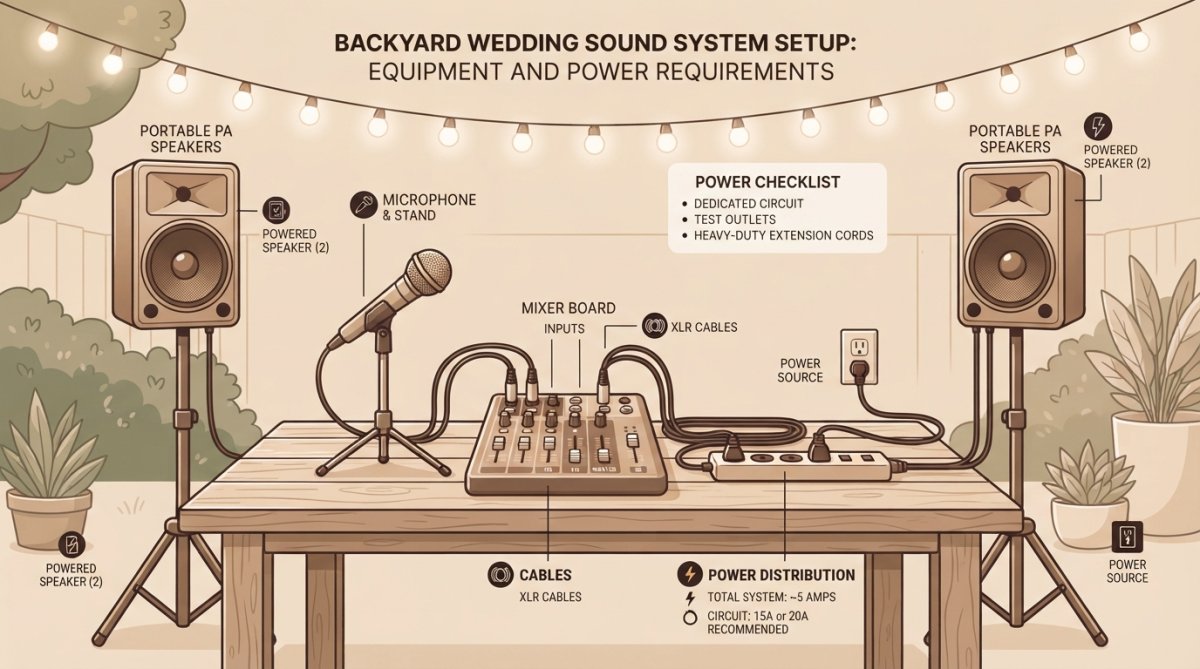
Close-up of outdoor wedding setup with portable speakers, microphone stand, and cables arranged on a weathered wooden table in a backyard setting with string lights overhead.
DIY Sound Systems vs. Professional Rental
DIY (Do It Yourself)
For a do-it-yourself approach you might rent or buy consumer-grade equipment like a powered mixer, portable speakers, microphones, and cables. This gives you lots of control over the setup and operation of the sound system.
The downside to this approach is lack of experience. Unless you’re well versed in the nuances of audio for a wedding you could be dealing with feedback, cable failures and troubleshooting things on your wedding day!
Professional Rental Company
If you rent a professional sound system designed for outdoor events from a professional company, it’s a complete system. They will deliver it, set it up and test it, and provide an operator to run it during your wedding.
For a 50-75 person outdoor event in a backyard, for example, the rental company will provide a professional sound system set up and operated by a professional, including a powered mixer, 2-4 quality speakers designed for outdoor use, wireless microphones, and backup equipment.
If you hire a wedding band to provide music for your wedding, such as Paul Cave & The Platinums, they bring their own professional-grade sound equipment, set it up, and perform a complete sound check to make sure everything sounds perfect! Paul’s sound engineer will manage audio levels throughout the event so there’s no guesswork. The band knows how to make it sound great without excessive volume that will have your neighbors complaining.
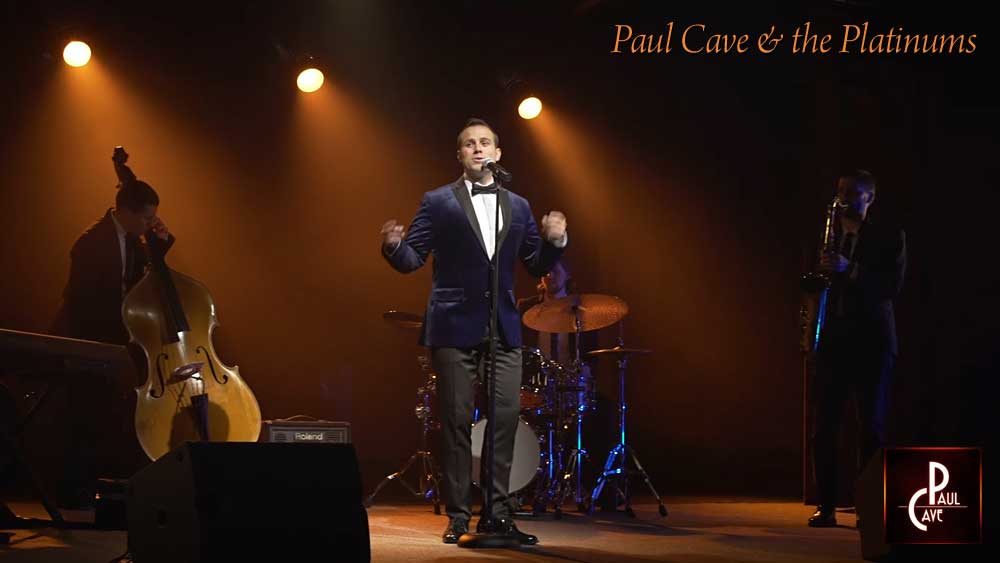
Paul Cave & The Platinums Jazz and Swing Band
It’s probably cheaper to hire a band that includes sound equipment and knowledge to set it all up, test it, and run it, than to rent it all separately!
Electrical Setup and Extension Cords
Depending on the distance between the main power source in your backyard and the location of the sound equipment, you can rent a couple of heavy duty extension cords. Just ask the rental company to recommend the right kind for your setup.
Live Music for Backyard Weddings and Sound System Requirements
If you’re planning an outdoor concert or backyard wedding with live music, it’s important to understand the power requirements for your sound system. Typically, something in the range of 500-1,500 watts will do the trick (obviously depending on the size of the band). If you happen to be using a larger sound system, and it calls for several amps, it’s important to note that with a standard household 15-amp outlet, you only want to use a single extension cord from that outlet to prevent tripping a circuit breaker.
A few days before the wedding, you’ll want to measure the distance from your power source to the performance area so you can purchase appropriate lengths of a heavy-duty outdoor extension cords (13 gauge or heavier). It’s just as important to make sure the cord is rated for outdoor use. An indoor-rated extension cord could short out and pose a fire hazard if used outdoors.
Then, at least one week before the wedding (not the day before), set everything up and do a test run. Plug all your equipment in and run the system for about 30 minutes. If a circuit breaker flips, you’ll have time to deal with the problem.
Entertainment Options for Small Backyard Weddings
One expense that people sometimes don’t think about when they’re trying to plan a perfect (and usually very pricey event) is the cost of live music for small backyard weddings. Prices vary based on the size of the band and how long they play. The most affordable option is a solo acoustic performer. Next comes a three-piece band, then a four or five-piece or larger ensemble.
Prices also vary based on the performance length. A 2-hour performance for a reception will be less than a 5-hour package for the wedding day itself, which includes the ceremony, cocktail hour, and dancing. Many bands have “tiered” pricing brackets that allow you to get more value by hiring them for more consecutive hours.
Rhinestone Rodeo Band is a professional, high energy band capable of keeping your dance floor filled with guests having fun and dancing all night. This very popular band can book months in advance for popular dates because of customers’ consistent positive feedback and reviews.
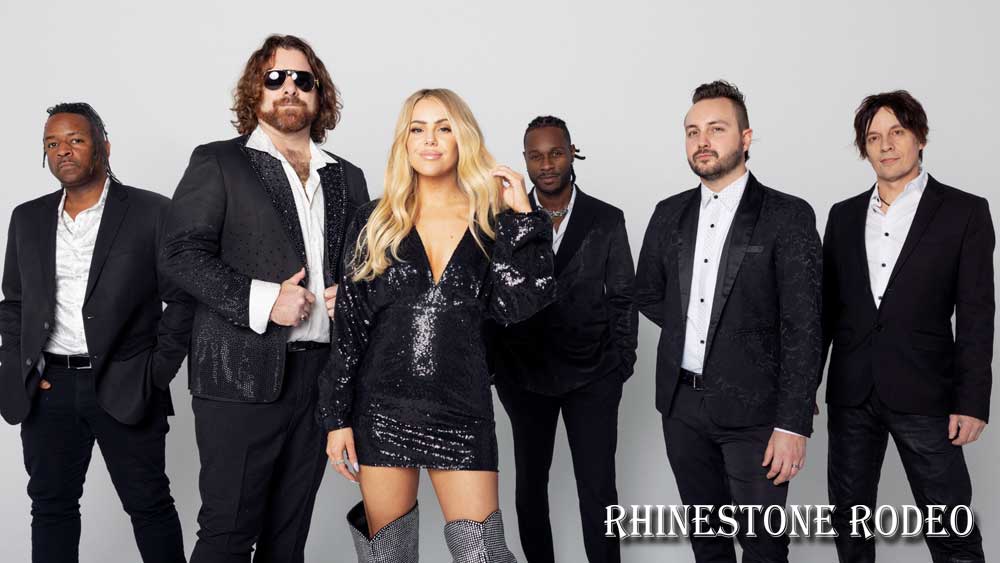
Rhinestone Rodeo Country/Pop Music Band
A solo performer will pretty much always be cheaper than a full band. However, many couples invest in both, one as a ceremony performer and the other as a reception performer. Booking both could potentially help you achieve the overall music performance you envisioned for your day.
Planning Your Wedding Timeline: Ceremony vs Reception Music Logistics
Most wedding professionals can work with most timelines and schedules, but sometimes the expectations and logistics with ceremony and reception music can be tricky. Knowing how much time things take can help you plan your day a little better. For example, music at the ceremony is normally clear, controlled, and brief, but at the reception, you want several hours of music – cocktail hour, dinner, and reception dancing – interspersed with toasts, special dances, and announcements. Here’s a simple breakdown of what to expect.
A solo acoustic guitarist or a small ensemble at your wedding ceremony is usually booked in two parts: the first half being 15-20 minutes of prelude music as guests arrive, then 10-15 minutes of music during the ceremony itself. Most of the time you’ll find that a wireless microphone for your wedding officiant is sufficient.
Reception music serves a different purpose than ceremony music. It needs to energize a larger space and hold the attention of your guests for 3-5 hours instead of only 30-60 minutes for your ceremony. Your reception music starts with cocktail hour, which can include anything from mingling to more traditional cocktail hour entertainment, and then continues through dinner, toasts, and dancing. At this kind of event, a full band or DJ really shines and can help maintain that high-energy level.
When planning your wedding, you’ll often need to make a transition between your ceremony and your reception. You can choose to have the same performer or group of performers entertaining at both.
Aaron Ashton Gypsy Folk Band is also a great option if you want a single band to cover both your ceremony and reception. Their acoustic instrumentation gives them great versatility to entertain both intimate ceremony moments and lively reception dancing. For an energetic approach that doesn’t feel loud or intrusive, there’s nothing like live musicians. A live band also has the advantage of easily adjusting their approach as required; quieter and more refined during the ceremony, energetic and dance-focused during reception.
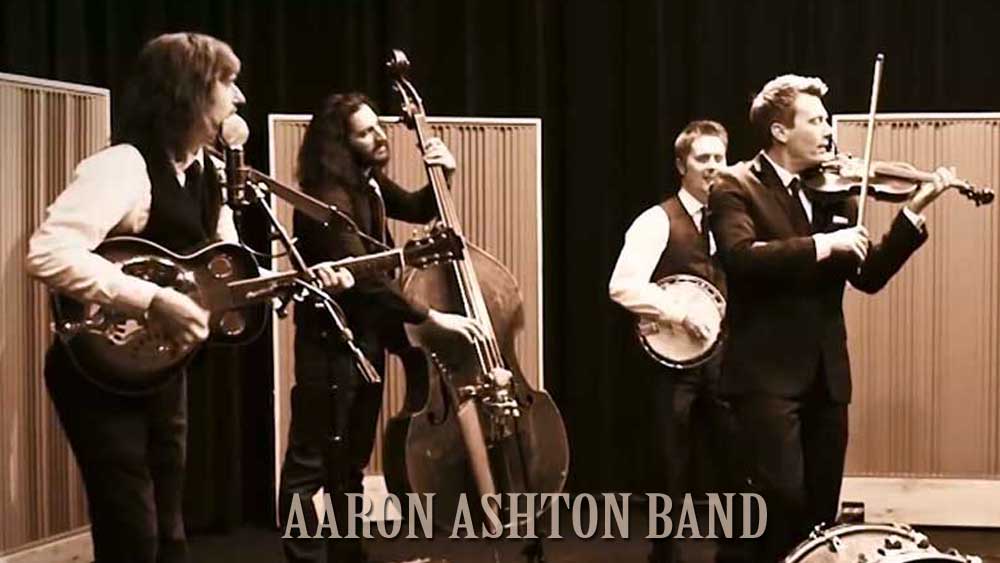
Aaron Ashton Folk and Gypsy Jazz Band
Some couples choose to hire a smaller group for their wedding ceremony and then a bigger band for the reception. This is a great way to get the best of both worlds, but if you choose this option be sure to let the band take a break (about 30 minutes) between the ceremony and the reception to reset the energy.
Weather Protection and Technical Troubleshooting for Outdoor Live Music
On the technical front, outdoor venues face risks that indoor venues don’t. Rain can destroy equipment. Wind can knock over speakers. Humidity can cause microphone feedback.
Sheltering Equipment and Instruments
First, a tent is critical to shelter equipment and instruments. If there’s a tent, and it’s only covering the performance area, some of the performers or equipment may be partly outside the tented area and in the rain or sun. We always recommend at least a 20×20 tent for live music for a backyard wedding.
It’s important to position a tent so the wind flows through it rather than into it. Check with the tent rental company about proper positioning and staking it.
Don’t leave an instrument outside when not in use. A climate controlled space (like your house!) is essential. If a performer must keep their instrument outside between sets, ensure it is covered and kept in the shade whenever possible.
Electrical equipment should never be placed directly on the ground. Use conduit for all cables or at least cover them with weatherproof tape. Elevate power sources off the ground as well.
Common Audio Problems and Quick Fixes
Feedback, that horrible, high-pitched squeal that makes you reach for your ears, is often an easy problem to fix. If it happens, you can move the mic further away from the speaker cabinet or turn down the gain on the microphone, or turn the speaker down a bit, too. This is why it’s important to do a sound check before your guests arrive, to make sure you won’t have these problems during the event.
Dead batteries are the second most common failure, and are particularly common in wireless microphones. That’s why you always need to have spare batteries for every wireless mic, and test them during the sound check.
Wiggle the cable at each end to detect a loose connection. If you’re getting dropouts, it could be a mere loss of connection or a problem with the cable itself, so check both ends to make sure it’s seated correctly.
Wind noise is a low rumble that can ruin a good outdoor event if the wind picks up and you’re using handheld microphones. Use windscreens or foam covers for the mics to reduce these disturbances.
With outdoor events, there’s the added chance of audio equipment failing due to the weather. DJ Corey owes his extensive experience setting up and troubleshooting in backyard events for helping him keep his audio equipment weatherproofed, and redundant, with backup for the important items. There’s really nothing like experience to help you get through a problem when it arises. Sure, something might fail, but a professional knows how to deal with it. An amateur often just freezes.
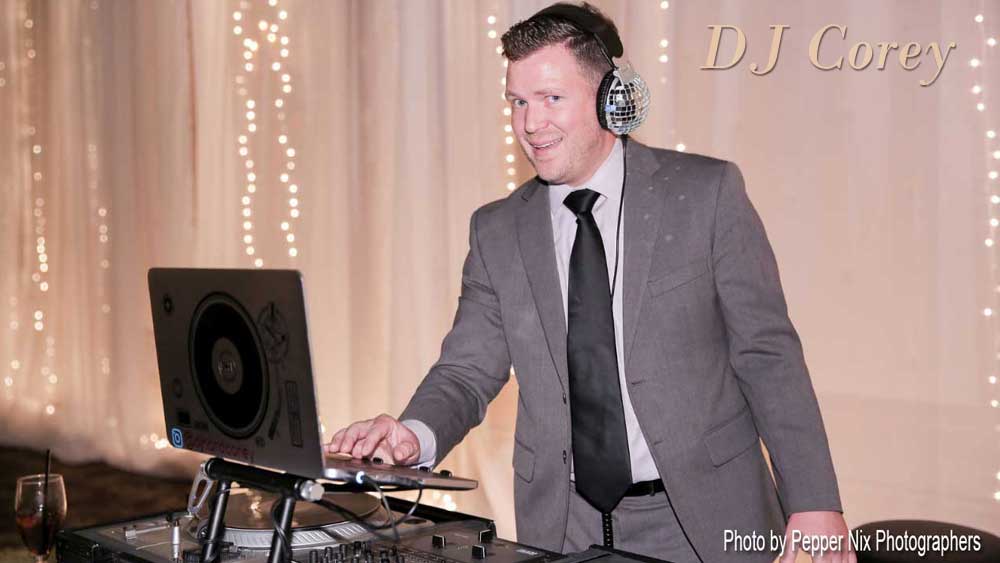
DJ Corey for Parties and Weddings
Creating Your Personalized Wedding Playlist and Song Requests
If you’ve hired a great band, then they’re going to have their own song list. However, most bands will let you submit a limited list of “must play” songs – like your first dance song and the songs played during parent dances – along with requests from family members and your personal requests. Typically, you can choose 5 to 10 songs that matter most to you. Just be sure to write them down and provide them to the band a month or two before your wedding.
In addition to the must-play songs, you’ll also want to discuss the overall style of the music. Do you want classic rock, country, pop, jazz, or a mix? Will the songs be played to maintain a high-energy dance floor, or delivered in a more relaxed manner to signal selective moments of dancing?
DJ Downtown can create a custom setlist for your specific taste. Since DJ Downtown isn’t limited to a specific set of songs, he’ll be able to play virtually any song ever recorded! DJ Downtown can also blow everyone away when he mixes genres so seamlessly. For example, he can kick the dinner music off with a few acoustic guitar-style covers, then lay down a classic pop set that keeps everyone on the dance floor.
If you’re looking to have live music, but also want the flexibility of recorded music, many bands have a DJ that provides music during breaks. This is a great way to enjoy the best of both worlds!
Planning a small backyard wedding presents the unique opportunity of choosing the right entertainment that perfectly suits your vision. Couples who have invested in live musicians for both their wedding ceremony and cocktail hour have reported the highest satisfaction. This hybrid approach gives you the authenticity of live music during key moments. The variety of adding either a DJ or second band for the reception makes for a great dance party!
At Green Light Bands, we have exclusive musicians and bands that will be a great fit for your wedding. When planning your small backyard wedding, be sure to not only hire great music entertainment, but plan everything else in advance! Get your permits, notify the neighbors, and test all your power and audio set-ups to ensure the best performance possible!
Frequently Asked Questions
I want to have live music at my small backyard wedding. Do I need permits or a public performance license?
Depending on where you live, you might need a public performance license to play live music, even at a private event. Check with your local city or county government office to find out if that’s required of you. Not all municipalities require a public performance license, and many do not apply to non-commercial, private events such as a wedding. However, even if a public performance license isn’t required, you’ll still need to adhere to any noise ordinances that govern your area.
It’s always best to err on the side of caution by obtaining the proper permits, if required, out of respect for your neighbors. If you do, be sure to contact your local code enforcement office at least 30 days before your event. This will allow you plenty of time to secure any permits for backyard wedding music as well as book the wedding date and plan the event.
What size band works best for a small backyard wedding?
A smaller band generally works best for a small backyard wedding, especially if it’s an intimate ceremony and reception. A solo acoustic guitar, a pianist, or a duo can all play nicely together for your ceremony and reception music. Or, a simple three-piece band can work if your micro wedding is between 25 to 50 guests. If you have a larger space, feel free to go with a five to seven-piece band. Just focus on what will sound best in your space, and match that with your guest list! Plus, bigger bands require more equipment, so make sure you have enough room and power for them.
What are the main costs involved in hiring live music for a small backyard wedding?
The cost of hiring live music for your wedding in your backyard can be tricky. Many different things affect these costs. To better understand your needs, consider the following. What is the size of the band you want? What is the duration of the performance? Do you need to rent a sound system? How long does the band need to set up and break down the equipment? Is it a DIY job? The more budget-specific you are, the easier it is for a band to accommodate you. For example, if your budget is big enough for a professional audio rental, it’s not worth messing around with DIY portable speakers. Call Green Light Bands for a personalized quote.
How do I choose between a live band and a DJ for my small backyard wedding?
When it comes to small backyard weddings, there are many options available for live music. A live band offers a more intimate and personalized experience, and there’s something about acoustic instruments that bring a distinct warmth and energy to a celebration, not to mention the super cool factor of real live musicians doing their thing right before your eyes! On the other hand, a DJ offers a completely interchangeable music experience: the ability to control the play list, have every song you could possibly want at your fingertips and the ability to make on-the-spot requests.
Some couples find they would rather have live music for the ceremony and cocktail hour and a DJ to keep the dance floor hopping during the reception. Consider the demographics of your guest list (most live music suits all age groups well), the space available (bands require more set up space and power) and the acoustics in your venue. If it’s a small guest list, you may be able to go with a simple band arrangement and still keep the space feeling intimate and exciting during the celebration!
What should I do if weather threatens my outdoor live music setup?
If you rent a tent or canopy to protect the musicians and their equipment, make sure there’s one for the audience as well or they will be miserable! All of your electrical connections should be protected from moisture, as it could be disastrous while using your audio gear, especially amplifiers, mixers, and cables.
You can use waterproof cable covers to add an extra level of assurance. If heavy rain is forecast, it’s always best to have an indoor space available as a backup. Be sure to do a sound check prior to the guests arriving so you can troubleshoot any problems. Communicate your contingency plans to your band so they’ll know what to expect. Most have probably dealt with weather-related issues in their past performances.