
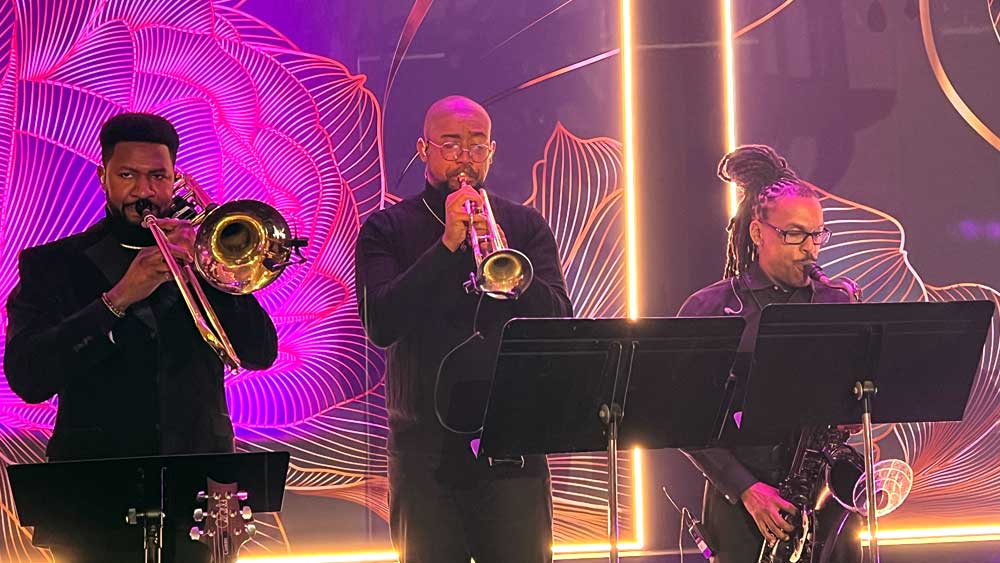
Live Music Production for Events
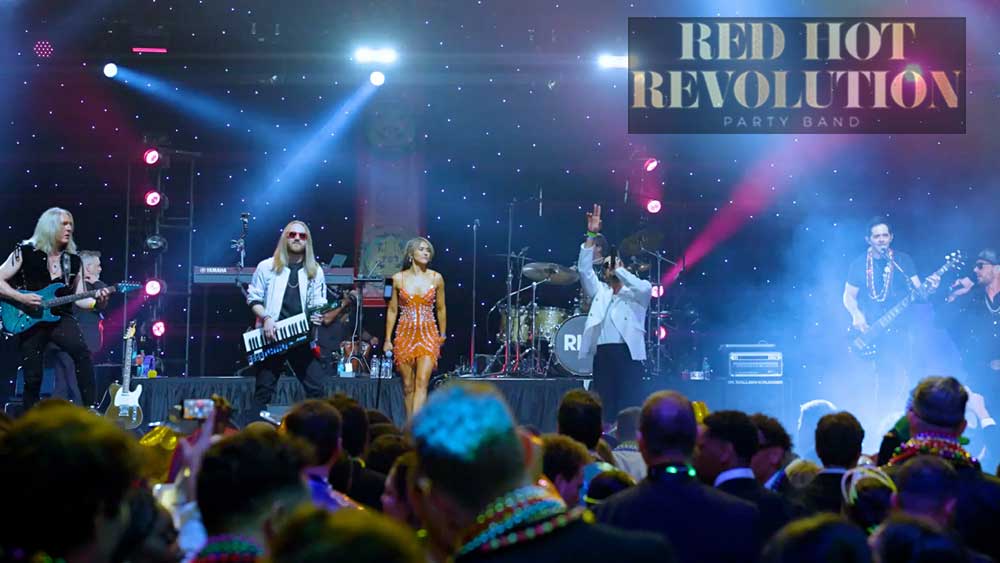
Red Hot Revolution Performs for a Large Crowd at a Luxury Event
When it comes to entertainment there are few things as technically involved as live music production for events. You don’t have the opportunity for a second chance after you’ve made an error before a live audience. The difference between an unforgettable show and a forgettable one are determined by the production value and the caliber of musicians or bands you booked. For unforgettable events you’ll want to hire a band like Red Hot Revolution or Metro Music Club.
Memorable shows cover everything from event operations and timelines to audio engineering, lighting design and equipment infrastructure. These five items are what helps create a polished production instead of an expensive disaster. Yet for all that, if the very best live bands are not on the bill the show will still be a flop.
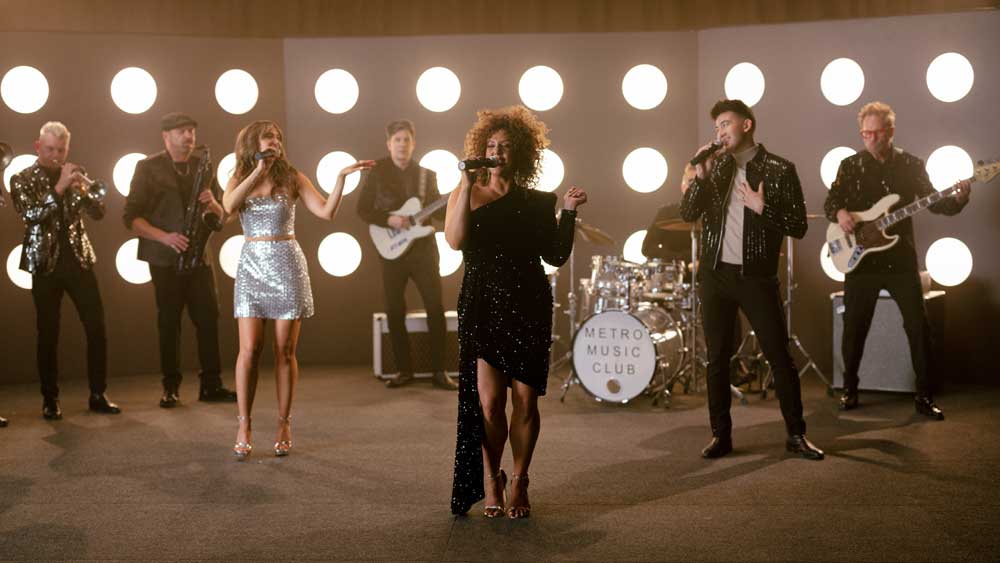
Metro Music Club Offers Professional Live Music Production for Events
What Is Live Music Production for Events?
Simply put, it’s the coordination of every technical and logistical element necessary to deliver a live musical performance for an audience. Sound and lighting, venue management, crew coordination, power distribution and stage construction all need to be in sync for the experience to be seamless.
The scope varies dramatically by event type. The footprint of a multi-stage outdoor festival is not the same as a jazz quartet at a corporate dinner, but the discipline is. Any production decision is a matter of safety, performer comfort and the audience’s experience.
Core Production Roles and Responsibilities
Some people believe that live event production is all about the gear. However, it’s more about people and having clear authority.
Production Manager and Technical Director
The production manager is the one who owns the schedule and the budget, liaises with vendors, and is the main contact for the client and the technical crew. The technical director is responsible for the systems such as rigging, video, lighting and audio. While larger productions separate these two roles, on a smaller scale they are usually one and the same.
Sound Engineering and Audio Setup
This is where the audio production for a live event is made or broken. The FOH (Front of House) engineer and the monitor engineer have distinct and vital jobs: one controls the sound for the audience, while the other for the performers on stage. A good FOH engineer will read the room acoustically and add some EQ and dynamics processing based on the way the venue takes the sound at volume, which isn’t what’s heard during a sound check in an empty room.
Lighting Design and Stage
Setting up a stage that will create guest emotion requires a deft hand with lighting. The technician will set the atmosphere, adding to the music’s energy while directing the attention of the audience to the stage. Then there’s the physical framework of the stage, the risers, truss work and sightlines which have an impact on the performance of the lighting and sound. And when it comes to rigging, suspended equipment demands the kind of load calculations and assessment that’s more structural engineering than anything else.
Live Music Production for Events: Equipment Checklist
It’s a mistake to rent out equipment for its looks without a plan for its integration; system design should dictate gear selection.
Audio-Visual Equipment Essentials
For a mid-size live event the core list of audio and video equipment will run to:
- A digital FOH mixing console (32 channels at least for a full band)
- In-ear monitors or a monitor mixing console
- Main PA line arrays (for venues of 500 capacity and up)
- Subwoofers, the number and position of which is a function of the genre and the size of the room
- Dynamic, condenser and instrument microphones
- DI boxes for acoustic instruments, bass and keyboards
- Stage monitor wedges to suit the performer
- A snake or digital stage box for routing signals
- Backline in the form of drum kit, keyboard stands and amplifiers
- LED walls or projection for video
- An intercom for the crew
- Lighting inventory including moving heads, wash lights and LED pars, plus the console
AVIXA’s professional standards and resources would agree that having the right system design documentation in place before selecting equipment does a more to reduce troubleshooting on site and make for a more reliable production.
Power Distribution and Infrastructure
Not the most glamorous part of the infrastructure, but the backbone of it nonetheless. All AV equipment is drawing current and if the power planning is needing more, there’s no technical wizardry that can remedy a failure in real time. A sound plan will factor in total load per circuit, keep lighting and audio power apart to avoid interference, have a grounding strategy to forestall ground loops and, for an outdoor event, the right generator specs. Cable management is also a question of safety for the crew and performers.
Best Practices in Live Event Audio Production
You don’t need to look very far for the cause of an audio disaster at a live event; it’s almost always something preventable, a step in setup that was overlooked rather than a piece of faulty equipment.
Signal Flow and Front of House Setup
Before load-in, signal flow from the source to the output should be understood and put on paper. A diagram of the signal flow allows a sound engineer to put his finger on a problem in short order since every connection is a point of possible failure.
The mix position for FOH needs to be in the audience area, centered and some two-thirds back from the stage. Part of the setup is to ensure input channels are patched and labeled, do a complete check of the gain structure before any processing is applied, ring out the PA system to find the feedback frequencies and get the monitor mixes done before the full soundcheck. Intercoms between the stage, the monitor position and FOH should all be confirmed.
Stage Audio and Monitor Engineering
In the realm of live event audio production, it’s monitor engineering that has the most bearing on a performer. A band member who is unable to hear his band or himself will be prone to tentative playing, rushing the tempo or going off pitch. The move to in-ear monitor systems has given each performer an individual mix while at the same time cutting down stage volume and providing better isolation. Wireless IEMs are the norm for any high-energy band where there’s constant movement.
The Technical Rider
When you put on a live music event, the performing artist or band you choose will supply their tech rider. This document lays out the precise demands of their show: from the backline and power needs to the specifics of audio inputs, lighting and stage dimensions, as well as what’s required of the crew. The production team needs to make reading and abiding by the rider its first order of business; to do otherwise is to invite issues with the band and last-minute chaos that’ll see the quality of the show suffer.
A properly drawn up rider will have input lists complete with channel and mic/DI assignments, the preferred monitoring system and mix, backline specs, a stage plot showing exactly where every piece of equipment and performer is supposed to be positioned, along with lighting cues and power and crew requirements. Where several acts are booked it’s up to the production manager to sort out any discrepancies between riders.
Putting a Budget on Live Music
Event planners have a tendency to short change their budget when it comes to live music production for events. The sound and lighting, which are the costs in plain view, are only part of the equation.
Costs and Scale
Producing a corporate dinner for 200 guests with an LED wall, branded lighting and a full live corporate party band can run you more than a 500 person outdoor affair with a basic PA and stage wash.
Contingencies and the like
First time producers are seldom surprised by the price of equipment. Rather it’s the generator fuel and delivery for an outdoor venue, permits, venue insurance, transporting gear, and the odd cable or battery. Then there’s the matter of crew overtime on a long load-in or load-out. A 10 to 15 percent reserve in the overall production budget is professional practice; for anything outdoors or of a technically demanding nature 20% is a better figure.
Operations, Safety and Compliance
There’s no dividing line between event operations and production safety, it’s factored into everything from the routing of cables over a walkway to the way rigging is called for.
Logistics of Load-In and Out
Load-in involves the technical setup, building the stage and getting all the equipment in place prior to the event. Load-out is the opposite. Scheduling this calls for good communication with the venue and enough hands on deck. Expect a load-in to proceed with stage and rigging work, installation of power distribution and the PA, assembly of the lighting truss, setting up the backline and FOH/monitor consoles, and then verifying the patch and signal flow. Don’t under estimate the labor and time for a load-out, a sensible schedule will save you from venue overtime fees.
Regulations
Live music production is subject to a number of regulatory bodies. OSHA in the USA has its own set of rules for the entertainment industry pertaining to rigging, electrical and fall protection on and around the stage. Local fire codes will dictate crowd capacity and exit strategy as well as pyrotechnics. Compliance is mandatory whether it’s structural load ratings, temporary power permits, managing the crowd, sticking to sound level limits or having a first aid station that can handle the number of guests in attendance. For outdoor shows a weather plan is also necessary.
Timeline and Coordination
Any live music event needs a production timeline. In the absence of a timeline departments are left to their own assumptions which can create conflicts.
Rundown and Pre-Event
For a mid-size production pre-event work is usually underway six to twelve weeks before the event. All departments are kept in step by the show rundown, a minute by minute accounting of the day. In it you’ll find the times for venue access and load-in, when each department’s crew is to be called, the sound check for every act, when the doors and performances are to start and finish including set lengths, and the time for changeovers and to clear the venue.
Execution
On the day of the event the production manager has to put aside coordination and deal with problems as they arise. That could be a piece of gear giving out (hence the spare parts and backup on hand), a delay from the performer (for which buffer time has been allowed in the sound check), a power issue at the venue (the generator is standing by) or a member of the crew not putting in an appearance (cross training and vendor contacts are there for a reason). Whether it’s the audio, the lights, the crew or safety, planning a live event leaves no room for error before an audience.
Green Light Bands provides the kind of production values and sound a performance should have, as well as an exclusive roster of top shelf bands from Top 40 to country, jazz, pop, and classic rock. To secure the right event band and give your audience the experience they’re hoping for, call Green Light Bands today.
FAQ
What is the role of a live music production team?
The production team is responsible for the technical and logistical side of putting on a live show. That means everything from sound engineering and lighting to stage setup and running event operations. They’re the ones who make sure the venue, the audience and the performers are all in sync. The team will have audio-visual gear, signal flow and power distribution under their control as well as see to it that safety standards are met. Production managers have an eye on the whole timeline, pre-event planning to load-out; during the show itself, technical directors, monitor engineers and stagehands will be called on to perform their particular duties.
What do you need in live music production?
At a minimum there are mixing consoles, microphones, amplifiers, cables and audio interfaces. For speakers you need both FOH and monitor systems. Lighting, LED walls or some form of AV projection, stage materials and the infrastructure for power are also necessities. One’s equipment checklist has to be thorough and take into consideration the size of the venue and what’s put down in the performer’s technical rider. And to stave off any technical hiccups at the event, having backup equipment and cables is imperative.
How do you put together a technical rider?
This is where the performer or his production team makes all their technical requirements known. A good tech rider for a live music event will spell out every need in terms of equipment, stage and power, as well as audio and lighting preferences and any other special requests. It’s meant to confirm the venue is up to the task. The rider should include the stage layout, a list of equipment, monitor mixes, signal flow diagrams and plans for contingencies. Make sure the venue has a copy of it no later than two weeks before the event so they can plan accordingly.
What budget considerations should you be aware of?
To budget properly for a live music production you first need to break down the costs: venue fees, insurance, rental or purchase of equipment and personnel such as stagehands and sound or lighting engineers. There’s a world of difference in the logistics of a festival versus a corporate party, so costs will be all over the map depending on the scale of the event. Put aside 15 to 20 per cent for the unforeseen. Be sure to include labor for load-in and load-out, technical support and specialized work like rigging or video mapping. An accurate budget is built with detailed quotes from your production services and equipment rental firms.