
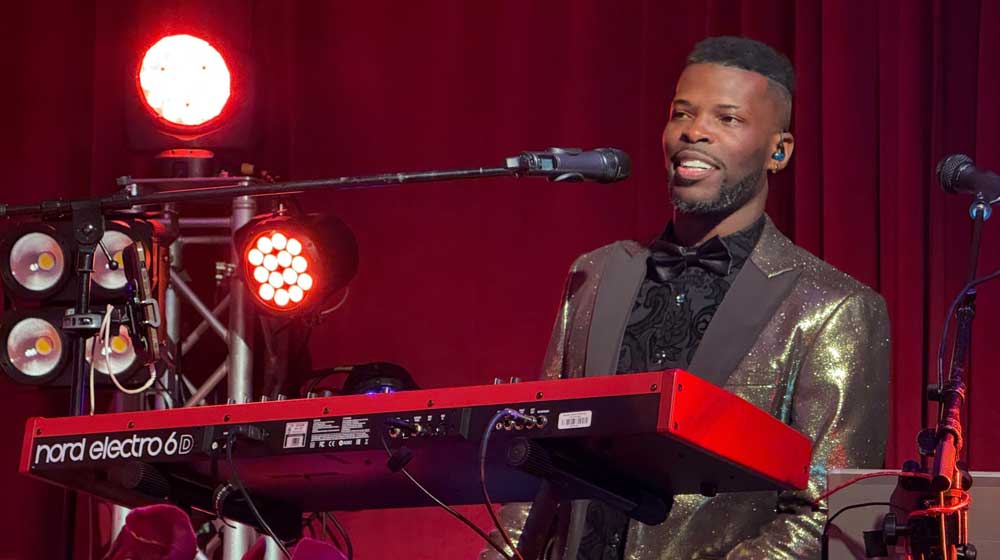
Is a Live Band Worth the Premium Price?
This core question comes up often: is a live band worth the extra cost? Couples and event planners have been asking this question for decades. It’s not a matter of whether live music runs you more than a DJ – it does – but if the value is there to warrant the price tag, and you have the budget, the answer is yes. It all comes down to what a band can do for an event’s atmosphere that a DJ cannot. There’s a shift in energy as soon as a vocalist sings the first note; the instruments are sounding fresh and alive, and the performance is happening in real time.
Ultimately, the final choice comes down to three factors: the size of your venue and event, how you want your guests to feel, and where you can make cuts in the budget.
The Price of Live Music vs. a DJ
You’ll see the disparity in the bill. A DJ’s fee usually covers his equipment, the MC work and the playlist, nothing more. A live band is paying for multiple musicians and vocalists, their equipment, a sound engineer and coordinating the works. Where a DJ can make do with a laptop and mixer in a corner, a band demands space, power and some infrastructure. Then you have the technical riders, load-in times, and sound check that a venue has to put up with.
Travel is another factor. If your venue is 50 or 100 miles from the band’s home base, transportation and hauling their equipment won’t be any extra. But gigs that are further away will have additional fees. If the venue doesn’t have a decent sound system, equipment rental costs will also increase. Some bands price in professional-grade audio equipment, which is an advantage, but you don’t always see this in the contract. Basically, you’re paying for the band’s skill, the logistics and multiple musicians.
Guests Remember Live Performances
Recorded music is OK, but live music is a whole different ballgame. The added energy of a live band engages crowds and provokes a stronger emotional reaction, one that research indicates is better remembered by attendees. Months later, guests can still be raving about the band or posting videos on social media.
A live band has a way of commanding attention. You’ll notice that conversations tend to die down when a vocalist takes the stage, and the dance floor fills up when the band plays a good cover song. It’s the band’s performance, not just the music that excites crowds. The older crowd will enjoy the vocal clarity and musicianship, while the younger guests will be drawn to the live instrumentation and energy. A band can completely change the mood of an event, which is much more difficult for a DJ.
What to Anticipate When Hiring
Don’t assume the price you’re quoted is what you’ll actually be paying.
Technical Riders
Any professional band will come with a rider. They’ll stipulate exactly what they need in terms of stage dimensions, sound systems and load-in. We’re talking 20 amps of dedicated power, a 16×24-foot minimum stage and a system for four to six wireless mics. If the venue can’t provide it, you’re looking at renting a production company or extra gear. Be sure to check with the venue first, because they might want to charge you for the stage or insist on using their own sound engineer.
Allow 60 to 90 minutes for the band to set up and do a sound check. At some venues, you may get charged an hourly rate during that time.
Logistics and Travel Expenses
If the event isn’t local to where the band is based, travel fees are extra. A two-hour drive could add $500 to $800 or more to the final cost, while a 45-minute trip might be in the $200-400 range. Consider the gear; a small five-piece band is transporting 15 or 20 cases of amplifiers and instruments. And if it’s a winter date with snow on the ground, you may find yourself paying more for extra equipment protection.
Weighing the Live Band, the DJ and Hybrid Approaches
Gone are the days when an event planner had to make a simple choice between a DJ and a live band. Today’s planners are now looking at hybrid models that draw on both DJs and bands for the same event.
Here is how the three options break down:
Hiring a live band for a wedding reception by itself means premium pricing and the need for extra equipment, but in return you get full live performance energy and guests who are truly engaged. A wedding event DJ is the more economical and flexible choice, and comes with an easy setup, but it won’t have your attendees talking about the event with the same enthusiasm they would have shown if your event had hired a live band.
Then there’s the hybrid approach – booking both a band and a DJ. In this case you would normally have the band play for the important parts of the evening – the cocktail hour, dinner service, the first dance and peak hours – before handing the job off to a wedding DJ for late-night dancing. This approach gives you the live energy where it counts without letting costs get out of control. Hiring both is becoming popular for good reason; it offers the best of both worlds. Some event planners are also turning to smaller ensembles or acoustic musicians for specific portions of the event. A guitarist and vocal duo for a dinner is much less expensive than a full band, but they’re still offering live music.
Pros and Cons of a Live Band
There are clear advantages to paying extra for a live band for a wedding, corporate event, or private party.
The energy they bring and the atmosphere they create will have guests talking for years. A good band will read the room and alter their tempo and setlist on the fly, keeping the energy high and the dance floor packed. A live band conveys a sense of quality and makes the event feel extra special. Bands also tend to handle mixed-age crowds well, from 8 to 80, with their vocal harmonies and live instruments. Most will also cover MC duties for announcements. When the band is the focal point, there’s little reason to hire other entertainment.
Drawbacks to Consider Before Committing
The cost of booking a live band is higher and might come with a few hidden fees. You’re limited to what they already know. A song that’s not already on their song list could come with an extra charge. And don’t overlook the technical side: bands require power and sound equipment that an outdoor venue may not be able to provide without costly upgrades. Musicians also need breaks every 45-60 minutes, and if you want them to go the distance without breaks, some will turn the job down and others will expect you to pay extra for it. And when you figure in their set up and break down time, and the fact that weather can be hard on instruments, you can see why the costs are higher.
Does a Live Band Fit Your Vision?
It all comes down to your budget, your venue and the type of experience you want to give your guests.
In most markets you’re looking at $7,500 or more for a six-piece live band. If your guest list includes a wide age range, and you want to get everyone involved, it’s worth the extra money. But make sure you check the venue’s technical specifications first to be sure they can handle a full band.
The size of the event is another factor. For a 200-person reception a full band is ideal; for a 50-person dinner party, an acoustic duo or trio is usually more appropriate.
Acoustic vs. Full Production
An acoustic group, say a vocalist with a guitar or keyboard, is a cost-effective way to cover a ceremony or dinner. A full production band with drums, horns and multiple vocalists will certainly cost more, but it also has the ability to fill a large room and raise the energy level. Many planners find a good balance in the hybrid method: acoustic for the dinner, full band for the dancing.
High-Energy Bands That Deliver: A Few Real-World Examples
You’ll find that Red Hot Revolution has made a name for itself as the go-to band for high-energy dance and music entertainment, whether it’s a wedding, fundraiser, private party, celebrity or corporate event. They have a knack for putting on shows that always engage guests of all ages. Planners will tell you the investment is well worth it for the quality of the music they offer and the guest engagement they generate.

Red Hot Revolution: The Go-To Live Band for High Profile Events
Then there’s Modern Retrospect. As a top-tier cover band, they offer dance music that appeals to all ages without letting the energy die down. Their musicianship and production values are on par with what one would expect from a world-class live band, and guests are thrilled to dance to the songs they love. For many event and wedding planners, the band’s ability to interact with the audience and respond to crowd dynamics was what sealed the deal.

Modern Retrospect Performs at a Celebrity Wedding
For an upscale wedding celebration or a Fortune 500 corporate event, Metro Music Club is hard to beat. Their extensive song list lets them bridge the gap between different musical tastes and age groups while the atmosphere remains lively. Planners book them for their strong vocals, exceptional musicianship, and for keeping the dance floor active from start to finish.

Metro Music Club: Keeping Audiences Engaged
Rhinestone Rodeo is a crowd favorite when the guest list is partial to pop and country dance hits. Their reputation for having crowds raving is no accident; they put on high-octane performances that pack the dance floor.

Rhinestone Rodeo: A Country/Pop Favorite
Liquid Blue puts on a show at corporate events and major functions that’s more like a concert than your standard event. With talented vocalists and a dynamic stage presence with in sync choreography, they create excitement, leaving a lasting impression on large audiences. Clients come back for repeat bookings time after time.
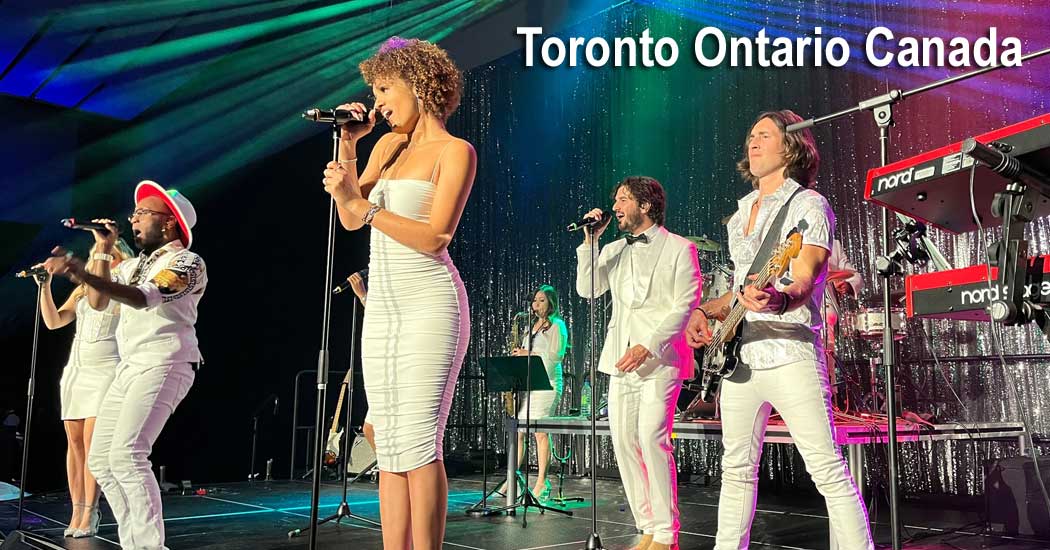
Liquid Blue: Making Lasting Impressions Wherever they Perform
The story is the same with any of the live bands you’ll find from Green Light Bands. Event planners report the premium price tag is justified because of the way the event is remembered by guests.
Is a Live Band Actually Worth the Extra Cost?
A live band makes sense if you have the budget and want to put on an unforgettable event that guests will be talking about for months or years, especially if you have a diverse crowd. On the other hand, if your budget isn’t quite high enough, or the venue is not suited to a full live band, a DJ is usually the best option.
There’s also the hybrid model to consider. You might use a live band for the cocktail hour, first dance, and the high energy portion of the reception, and then let a DJ take over for late-night dancing. This way you can manage your music entertainment budget without skimping on the memorable moments.
Choosing between a band and a DJ is about the kind of experience you want to create. Green Light Bands provides exclusive, high-energy bands with the proven ability to completely engage a room. Get in touch with us to see which of our live event bands fit the vision for your wedding, corporate event, or party.
Frequently Asked Questions
What’s the difference in price between a live band and a DJ?
Live bands are almost always higher priced because you’re paying for multiple musicians and their equipment. But the comparison doesn’t stop at the base fee. You have to include sound engineers, technical riders, travel and more. A DJ may have a lower cost, but could possibly need to rent a sound system. The actual disparity between the two comes down to the size of the band and what your venue can already provide (sound equipment, stage, lighting, etc.).
How does live music compare with recorded tracks?
You can’t put a price on the energy and human emotion and connection that a professional musician offers. They’ll read the room and adjust the setlist throughout the part, handling MC duties with a personality that pre-recorded music can’t touch. Many couples and event planners view a live band as a great investment for the energy and dance floor activity it creates.
Are there hidden costs to hiring a party band?
There certainly can be. When you hire a party band, in addition to their fee, look for charges for a sound engineer, overtime, or travel, lodging, and meals for an out-of-town gig. Some venues might even add extra fees for stage setup or electrical access. Make sure you iron these issues during contract talks to avoid any unpleasant surprises.
Should I think about hiring both a DJ and live band?
It’s a popular approach for sure. By using a live band for the special performances and a DJ for the rest of the reception, you get the best of both worlds. It allows for the emotional pull of live music where it counts while remaining practical and cost effective for a longer event.