
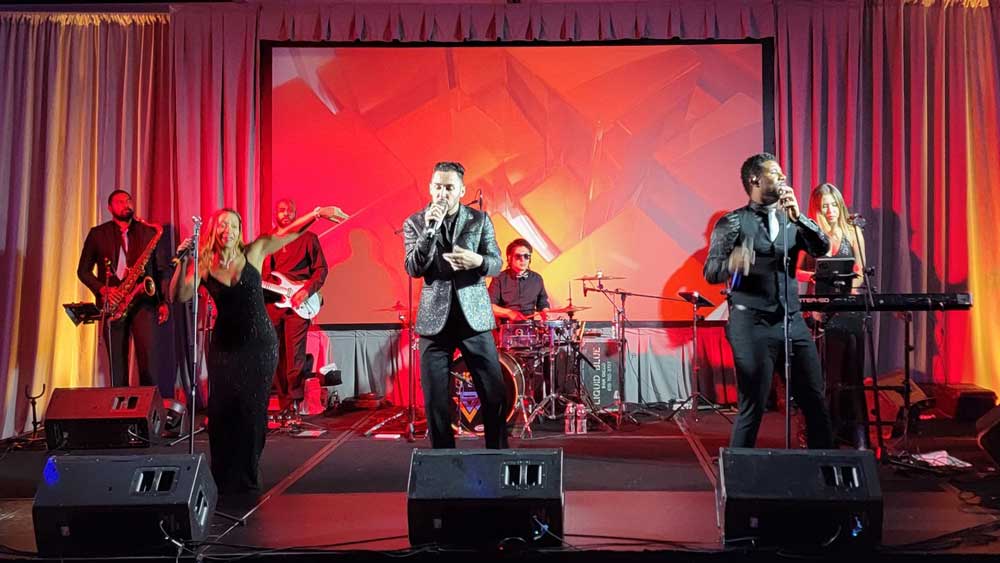
A Complete Guide to Hiring a Wedding Band for Your Reception
When you want to hire a wedding band for a reception, there’s more to it than simply filling a time slot. You’re putting your money into where the atmosphere, energy and memories of your celebration are made. While studies indicate live entertainment is one of the top three things couples put on their priority list when planning their wedding, too often the hiring process is done without much forethought. A good wedding band will be the soundtrack to your key moments and determine how your guests take to the dance floor; in other words, it’s well worth booking one of the best.
Key Steps in Hiring a Wedding Band for a Reception
You need a way to go about hiring a wedding band that respects your budget, venue, and musical tastes.
First, decide what you want out of the experience. Do you want to hire a wedding band for a reception like Rhinestone Rodeo that will keep the floor packed? Or would you rather have a refined jazz ensemble for the cocktail hour? Maybe a band that can transition from dinner music to a dance-floor favorite at will. That decision will drive everything else.
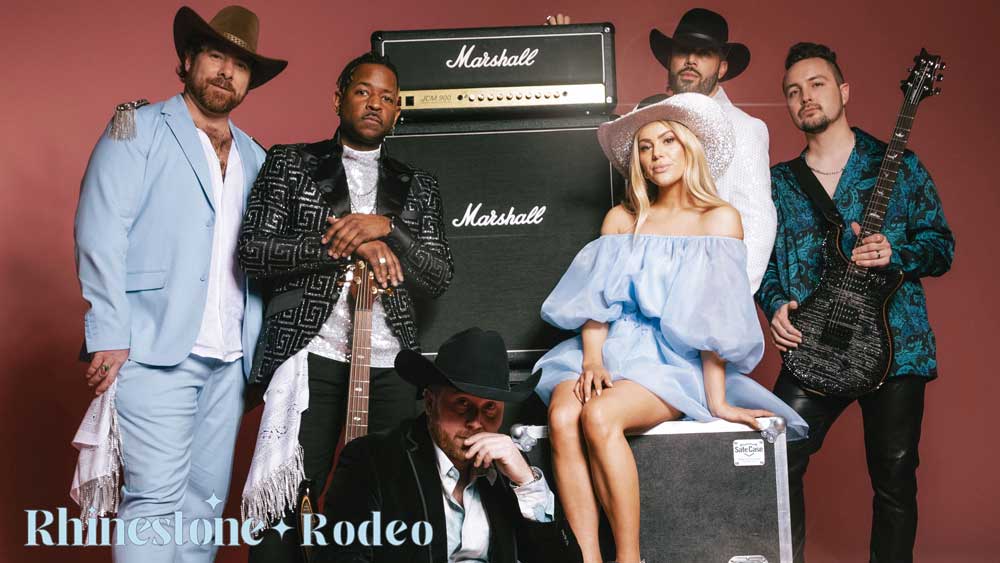
Rhinestone Rodeo Wedding Band for Hire
Then there’s the matter of timing. The better bands typically want 9-12 months’ notice, so if you’re having a summer wedding you should be looking in the late fall or early winter. This gives you time find a band, negotiate the contract, and handle sound checks while still giving yourself the opportunity to hire a wedding band for a reception that’s world-renowned.
Don’t overlook the budget either. Costs can be all over the map depending on the size of the wedding band and how long they play. We recommend getting quotes from several live bands then looking at the pluses and minuses for each.
Step 1: Define the Style You’re After
Music will be the foundation of your event. Think about your crowd and what’ll get them onto the dance floor – Motown, country, Top 40 or classic rock? Most bands have specific styles they excel at, though some are more versatile.
Pacing is another thing to consider. Some live wedding bands prefer to build momentum slowly after dinner before hitting the peak on the dance floor; others want the energy high from the time their guests walk in. There’s no wrong way to do it, but it changes the mood and energy in the room.
Take Modern Retrospect for example. With a 3-piece horn section and a setlist that’s comprised of hits from several decades, as well as today’s chart toppers, they’re the type of band most couples are looking for. They know how to make real-time adjustments to their song list so the momentum never slows.

Modern Retrospect Wedding Live Music Band
The type of music style you want will also come into play as far as what type of band you want to hire for your wedding. A five-piece rock band brings a rawness that a jazz trio doesn’t, while a band with a horn section offers its own kind of energy and sophistication.
Step 2: Book a Band As Soon As You Can
For the best wedding bands, you’ll want to book 12-18 months before your wedding, particularly for the May to October season. A Saturday night in those months means you should start looking as soon as you’re engaged.
Be aware that the band’s base fee will probably not be the whole story. If the venue is a travel location for the band, there will be travel costs. You’ll also be adding to your overall price tag because of parking, setup and any rental equipment for the sound system. And remember that a five-hour event is going to be priced differently than a three-hour one, whether they’re charging by the hour or through a package.
Step 3: Do Your Homework Before Booking a Band
Don’t settle for the first band you see. They may end up being the one you want, but take a look at several before making a final decision. Ask your wedding planner, photographer or venue coordinator for a referral; they’ve seen lots of bands in action and can tell you which ones you might like.
Websites devoted to wedding entertainment are also useful for perusing reviews and demo videos. Watch a demo video and see how the band handles the crowd. Listen to the sound – is it the type of music you’re after?
Comparing Platforms
GigHighway is one option when you’re looking for a wide selection of live wedding bands, and is a resource we often point wedding couples and event planners to. With its focus on making it easy to find and contact bands, the popular platform covers every musical genre and offers filtering by location. But where it really stands out from other well-known services is that it allows you to contact bands directly without incurring any of the fees or commissions that most booking platforms normally charge. It’s a totally free service.
Green Light Bands: High-Energy Band Experts
For weddings, Green Light Bands offers exclusive, premier live bands for weddings. Their world-class performers are hand-picked for their knack of reading a room and putting on a show that makes for an unforgettable reception. The company’s roster of high-energy bands runs the gamut from Top 40 and classic rock to country, bluegrass, soul, Motown and jazz. They don’t just play background music; they keep dance floors packed throughout the reception and make special moments happen.
Look at Band Demo Videos
Don’t be swayed by a website’s band bios or photos alone. Play a demo video and see how the band handles a real reception environment. Gauge the crowd’s reaction. Can you see any excitement? Are people having fun on the dance floor? A top band always gets guests engaged.
Party Echelon is a good example of a top-tier wedding dance band. In their demo videos you’ll notice how adept they are at working a room. They know how to create atmosphere with classy dinner and cocktail hour songs, and then take over the reception with high energy dance tunes that cause the dance floor to explode with activity.

Party Echelon Wedding Reception Dance Band
It’s also a good idea to ask the band for references from couples at recent weddings. A direct conversation with them will tell you a lot about the band’s punctuality and professionalism, and whether their energy will match their claims.
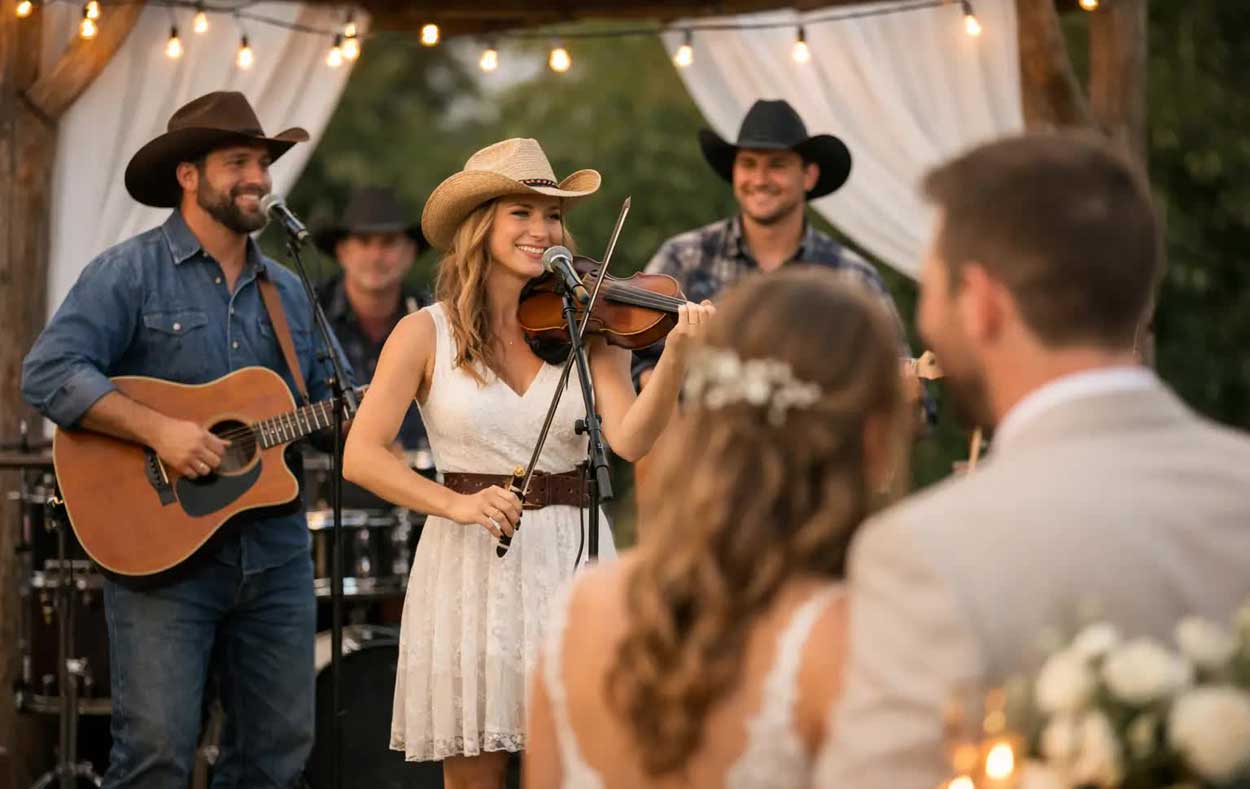
A country wedding reception dance band performs at an outdoor wedding with a bride and groom enjoying the music.
Contracts, Deposits, and Liability
A clearly-written contract is your insurance once a wedding band is chosen, so know what’s in it to avoid potential issues on the big day.
What should be in a contract?
Make sure the document is specific on the date, time and place, as well as setup and breakdown times and the number of musicians in the band. If you have agreed on a setlist or certain songs, put that in writing. The contract should also be very clear about who will be providing the sound equipment. It’s usually the band, and sometimes the venue, but it’s always best to know for sure.
Deposit Requirements and Payment Terms
When it comes to deposits, most bands demand 50% of the fee to hold your date, with the balance due a week or two before the wedding date. Ask what their accepted forms of payment are and if gratuity is part of the quote. And since most bands charge extra for overtime, make sure you know those rates before you sign.
Liability Coverage
You should also inquire about liability insurance to ensure you’re covered in the unlikely event of property damage or injury.
Technical and Audio
The difference between good audio and something that falls flat often comes down to a sound engineer’s technical skill. Ask if the band has a dedicated sound engineer, because a sound engineer can make all the difference between a great reception and an average party.
Understanding Tech Rider Demands
Professional bands provide a “tech rider,” a document that spells out a band’s technical requirements, including power supply needs, stage size, sound system specifications, and lighting requirements.
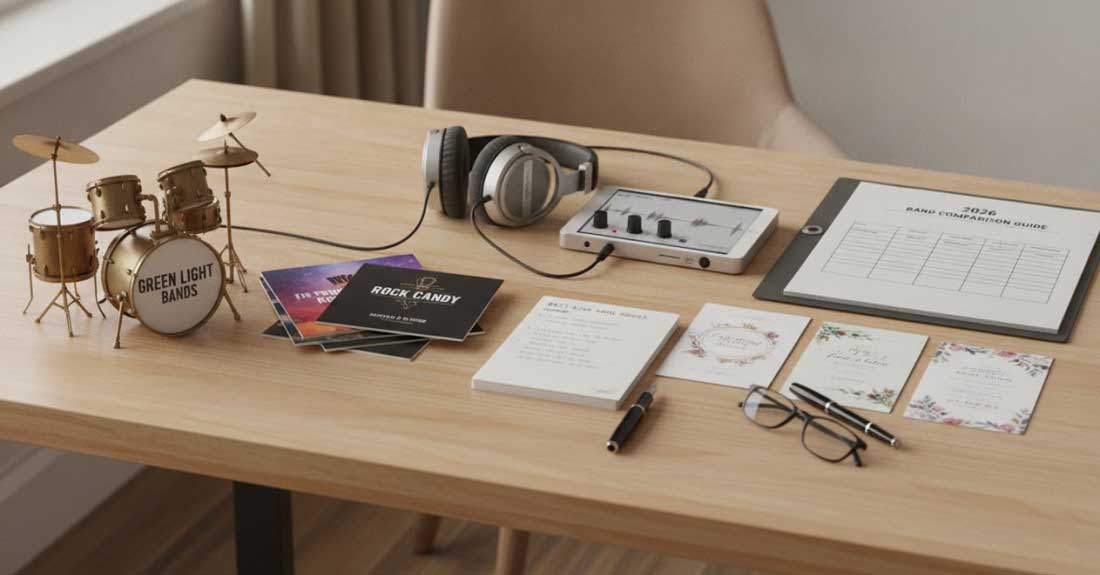
The process of determining what band to hire for a wedding requires carefully studying the style of band you desire along with many other factors.
Venue Logistics and Sound Check Coordination
A professional and seasoned band like Music City Groove knows how to make any space sound powerful and crisp. They’ll give you a “tech rider” outlining everything from power needs to stage size and lighting. Go over this with your venue coordinator to be sure the logistics are in order and understood. Most bands will bring their own sound system and monitors, allowing them to control the quality of sound.
Then there’s the matter of the sound check. This isn’t optional. Have the band come in for two or three hours the afternoon of the wedding to iron out any possible kinks. You need to verify with the venue when the band can get in and load gear. And be sure someone is on hand on your special day to coordinate with the band just in case anything comes up.

Music City Groove Reception Wedding Band
Questions to Ask Your Wedding Band Before You Book
There are a few things you should get straight before making a commitment:
Experience: Find out how long the band has performed together and how many weddings they’ve played for. And have they ever played at your venue?
The music: What styles of music do they play? If you want to put in a request for the first dance or parent dances, is there an additional fee?
Equipment: Will they be bringing their own sound system?
Logistics: When can they get there to set up and what is the parking like? How much time do they require for a proper sound check?
Adaptability: Should the reception go longer than planned, are they amenable to playing overtime? How do they handle changes to the schedule?
Professionalism: Do they have liability insurance and can they give you some references?
Interaction: What’s their approach to offering MC services? Do they know how to read a room and change the energy as needed?
The answers to these questions will tell you if a band is experienced enough and truly dedicated to giving you a successful reception.
Evaluating Local Bands and Finding the Right Fit
You may not know about every band in your specific area, but there are local options that may be worth considering. On the other hand, there may not. Local bands may have a good feel for your venue’s acoustics, know the other vendors and often come in under the price of a well-known band. Conversely, they may also come in under the quality of a well-known band, so be extra careful about local talent when hiring a band for your wedding reception.
For possible band ideas, ask your wedding planner, photographer or venue coordinator for suggestions. You can also get opinions from Facebook groups and wedding forums in your city. A trip to a bridal show or wedding expo is a good way to see them in action. And don’t discount a band just because they’ve only been at it for two or three years; they can bring exceptional energy for less money. But they can also be duds, so again, vet these bands carefully.
When you’re trying to decide whether or not a band is right for you, look at their style and energy level in relation to your vision. But be wary of low cost bands. In our experience, a local band with a lower price tag is rarely as good as what you’d get from a reputable agency like Green Light Bands. It’s very seldom worth the risk of hiring an inexperienced band just to save a few dollars on the most important day of your life.
Live Music and the Reception Atmosphere
What live music brings to a party is something a recording cannot – real time response from your guests. A top notch band will sense when the momentum is waning and pick it back up immediately. They know the difference between sophisticated background music for dinner, something with a bit more oomph for cocktails and the high-energy numbers required to get people on the dance floor.
Glitterati has a way of turning a song into a moment of celebration by mixing technical skill with real enthusiasm. They’re always adjusting to build and maintain the energy and atmosphere you have in mind. Make sure the band has a clear line of sight to the dance floor and let them in on your reception music timeline so they can work with you.

Glitterati Band with Saxophonist/DJ
Deciding Between a Band and a DJ
The band vs DJ decision will define the overall character of your event, and each has its pluses and minuses. There’s a certain versatility to a DJ. Since their music is pre-recorded, they can change music styles in an instant and handle requests without any problem at all. For a wedding reception where flexibility is key, they’re hard to beat. And more often than not, they come in at a lower price than a band and need far less when it comes to technical rigging.
Then you have the live wedding band, which brings an energy and level of musicianship that no pre-recorded music can compete with. Their stage presence and the way they engage and interact with guests creates an atmosphere all its own. If your goal is for guests to enjoy the moment to the max and then rave about it afterward, a band is the only way to go.
Another approach is to hire both a band and a DJ. You can use the band for part of the evening and then let a DJ take over for the reception dancing when you want the full range of songs.
But there’s no question that the right wedding band will elevate a good event, turning it into one your guests will be talking about for years. It’s a matter of having a clear musical vision and putting in the effort it takes to find a top band that knows how to set the tone you’re after. Green Light Bands makes that connection easy, offering top-tier, exclusive bands that you can’t book anywhere else, whose professional, high-energy style is sure to keep the dance floor full all party long. Contact us to see how we can make your reception an experience you’ll never forget.
Frequently Asked Questions
How early should I hire a wedding band for my reception?
In most cases, you should be looking to book 9-12 months out from your reception. The good bands don’t usually last long in the peak wedding seasons, especially in the spring, summer, and fall. An early booking means you’ll have first pick of the best wedding bands for small receptions or large receptions, leaving plenty of time to get the details right in your contract and coordinate with the venue.
What should I ask before I sign the contract?
Ask questions about their song list and how flexible they are with it. Inquire about performance times, break schedules and any travel, hotel, ground transportation, and per diem costs. You’ll want to know about their MC duties, liability insurance and if they’ve ever played at your venue before. Don’t hesitate to ask for references from recent wedding clients and what the plan is if a band member gets sick and is unable to perform.
Is there much of a difference between a band and a DJ?
A live band is all about the organic feel of real instruments, the energy they add to the wedding, and keeping the dance floor full at the reception. A DJ has the edge when it comes to song variety and price, and can read the room to switch up the music as needed. Some prefer the value and memorability of a live wedding band, while others like the DJ options.
What am I looking for in a demo video?
Look at the band’s stage presence and whether or not the crowd is engaged. Is the audio quality good? Are they playing the kind of music you like and want to hear? Are they interacting with guests. You should also look for reviews from weddings of a similar scale and style as yours.
Why is a tech rider important?
It’s a document that lays out exactly what the band needs in the way of power, sound system, microphones, lighting and more. Be sure to give a copy to your venue coordinator early on to make sure they can handle everything. Failing to provide the technical aspects of the rider can lead to poor sound or other headaches on the day of your wedding.