
How to Choose a Wedding Band that Will Rock Your Reception
The wedding band you hire will determine the energy at your reception, making the selection process one of the most important parts of planning your wedding day. We at Green Light Bands have helped thousands of wedding couples find the perfect live music entertainment, and we know that what makes the difference between a night you’ll remember forever and an ordinary evening. It’s all about choosing a wedding band that has experience in reading the room and changing things up on the spot to keep the energy high and the guests engaged.
We’re going to cover all the factors and considerations involved in hiring a a great live wedding band – from vetting individual bands to booking with confidence. We’ve also put together a list of some of the finest bands in America for your perusal.
What are Your Options?
First things first – not all music entertainment is the same. The choice between a DJ and a live band is a choice between two very different experiences.
With a live wedding band you have musicians on stage – vocalists, a drummer, bassist, guitarist and often a horn section or keyboard player. They create an energy you can feel; your guests will experience the vibrations of the bass and see the music being made directly in front of them. If the crowd is enjoying a particular song, the band has the ability to keep it going or making a smooth transition in another direction. A live band is better suited to command the room during toasts or special dances such as the first dance or parent dances. They can feed off the reaction of the audience and build atmosphere.
DJs are more less expensive and their catalog of pre-recorded songs is much greater, but they lack the physical presence and musicianship of a live performance.
Defining the Sound
Your music style of choice will set the tone for the entire wedding and also let you know which bands will be in the running.
Top 40 and Pop
For many wedding couples, they’re looking for current Top 40 hits and well-known pop tracks that have cross-generational appeal. It is the surest way to please a mixed-age guest list. Liquid Blue, one of our top bands at Green Light Bands, puts on a high-octane show filled with contemporary hits and well as classics from the past that will keep the dance floor full during the entire reception.

Choose a Wedding Band Like Liquid Blue
Classic Rock
You can’t go wrong with classic rock. There’s something about a ’70s or ’80s hit like “Don’t Stop Believin’” or “Livin’ on a Prayer” that everyone knows and sings along with. Modern Retrospect, another of our featured bands, has the talent and energy to turn those timeless numbers into something special. The top classic rock bands put their own spin on the arrangements to engage the room.
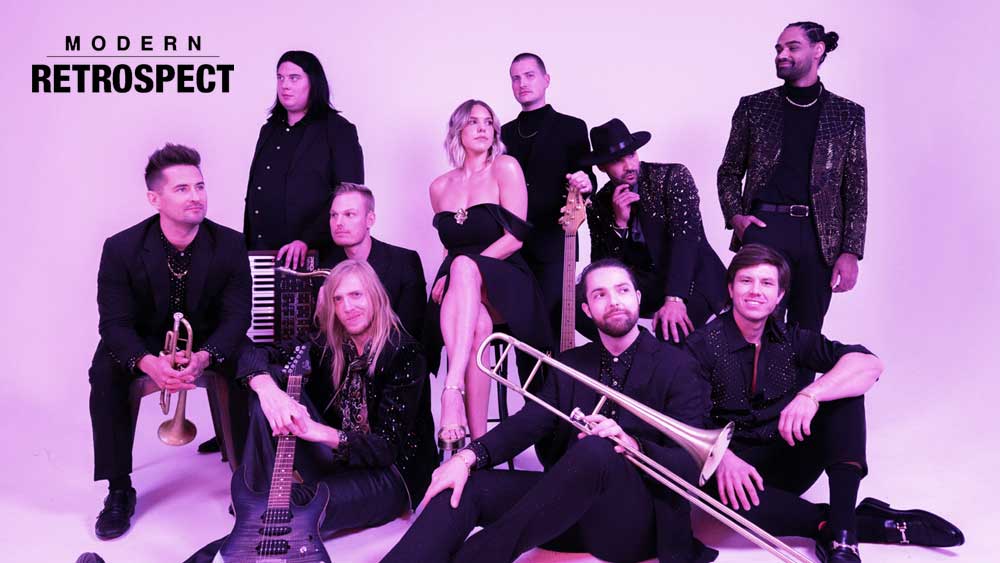
Book Modern Retrospect
Country, Jazz and the Like
When a wedding has a particular identity, specialty genres come into play. For a country wedding you want a country band or artist; for a jazz wedding reception you need players who can improvise. Rhinestone Rodeo is a case in point for the former, putting on a good show for any couple with Southern or country ties.
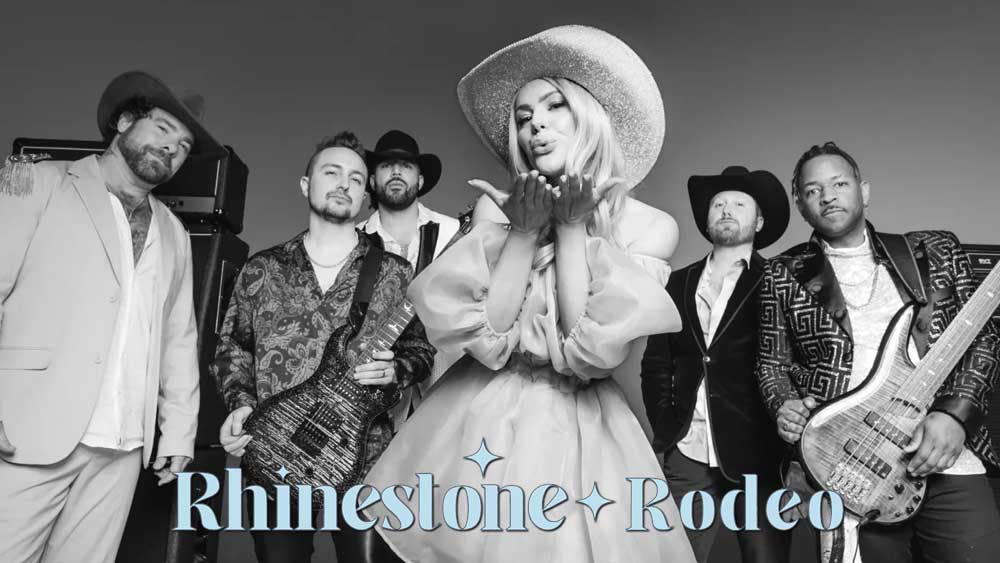
Rhinestone Rodeo Band for Weddings and Receptions
Then there are tribute bands. While not as commonly booked, if you have a fondness for the Four Seasons, Creedence Clearwater or Motown, they can be a great addition to the wedding party.
Questions to Put to the Band
After you’ve whittled down the field, a few pointed questions will tell you if a band is as professional and accommodating as they claim to be.
How much room is there for us to change your setlist? Professional bands have a set, solid core of songs they play, but most are open to learning an odd song or two.
How many weddings have you done? There’s a difference in knowing how to control the energy and timing of a night when you’ve been through 50 of them.
Is the equipment yours or ours? We want to make sure any sound and lighting is of a professional standard and be clear on who is responsible for what.
If someone in the band falls ill, what’s the plan? Professional bands have quality subs on standby at all times, while cheaper bands have been known to cancel altogether at the last minute or show up short-handed.
Tell us what’s included in your package. We need to know about setup and breakdown, the sound check, and what the policy is if the reception runs long.
You’re the ones on stage, so how do you read the room? The good bands will see that a song isn’t landing with the crowd and make an immediate adjustment.
Red Hot Revolution is as requested as they are professional, handling all the above items and tailoring their performance to the couple’s vision.

Hire Red Hot Revolution for Your Wedding
Understanding the Cost of a Live Wedding Band
Live wedding bands have price ranges. There is never one set price that can be used for all events for many reasons. For example, if the band has to travel to a gig they may have extra costs for airfare, ground transportation, hotel rooms, per diem, etc.
Reputation and experience are the biggest factors that can increase prices. You’ll usually pay a premium for 20-years of experience and the consistency that comes with it. The event date is another matter: Saturday in the height of season (May to October) will be pricier than a Friday or Sunday in the off-season. And while a three-hour gig is cheaper than five, most couples find four or five hours to be the sweet spot to avoid things feeling hurried.
And don’t forget the logistics. If the venue is hard to load into or the band has to drive two hours to get there, expect a fee. On the other hand, a higher rate will usually buy you top-shelf equipment and the ability to customize where wanted. Make sure the band’s quote includes everything from setup to sound check.
Booking Your Band: A Timeline
Get started 9-12 months before your date. The most popular bands can go fast for prime dates, not always, but typically.
By month 12, after doing your research and watching band videos, you should have a list of about 5 to 8 bands that fit your vision. Reach out to the bands you’re interested in for references and to discuss concerns you may have. Whittle that list down to your two or three favorites and get formal quotes from the band or agency you’re dealing with before you put a pen to that contract.
Once you’ve made your final choice, it’s time to sign the contract. But make sure you have everything in writing: the date, the hours, the setlist, payment terms and whatever else you’ve discussed with the band.
At the six-month mark, give the band your must-play list (keep it short – maybe a handful of songs) and the timeline for the reception.
Three to four months before, touch base on any changes. And in the final month, make one last call to confirm they have the venue address, parking details and know where the power is.
The contract is your insurance against any surprises. Be sure it lays out the exact duration that the band will be playing as well as their lineup, who provides the equipment, overtime charges and what happens if a band member is unable to perform.
Selecting a Wedding Band
If you want the most unforgettable wedding day ever, the most important item in reception planning is the live wedding band you put on that stage. They’ll set the tone for the entire evening and, for most couples, the band is what guests will remember and rave about long after the celebration has ended.
So which band are you going to hire? It’s simply a matter of staying true to your vision.
First start with the venue. If you have a huge ballroom, there will be room for a full sound and lighting setup and a wedding band comprised of seven to twelve members. However, an acoustic trio or string quartet is a better fit for the confines of an intimate garden wedding.
You then need to look at the guests you’ve invited. A multigenerational guest list requires a band with wide appeal that can move from one style or era to the next, whereas a younger crowd might want you to put more emphasis on today’s current hits.
You should also think about the flow of the reception. Want to build some high-energy momentum? Find a band with a reputation for it. For a cocktail hour that’s more subdued before the dancing starts, you need musicians that know how to modulate.
The bottom line is just trust your instincts. The top wedding bands are the glue that holds the entire wedding together – they are not just another vendor. If they keep brushing aside your ideas, they’re not the right fit. When you picture your reception, is the band playing the style of music you like? Are people out on the floor dancing? The live band that brings that to life is the one you want to choose. The couples that are most happy about how their wedding day turned out are those who have given clear direction on pacing and must-plays and then allowed the band do its job.
A Wedding Band is the Most Unforgettable Part of a Reception
Green Light Bands can help you find a band that’s the perfect match for you and your wedding reception. We offer exclusive, world-class talent such as Liquid Blue, Modern Retrospect, Red Hot Revolution and Rhinestone Rodeo, all of which have the experience and expertise to turn a reception into something your guests will be talking about for many years to come. Do your research, watch some demo videos and contact us to discuss or book a band that is perfect for you.
Frequently Asked Questions
What are things to consider in a live wedding band?
It comes down to whether the band’s style and personality will engage your guests, as well as their experience in performing at weddings similar to yours. Can the band keep the dance floor going all night long? Do they come with their own sound engineer or rely on the venue? Also ask how they make the transitions between songs and what kind of diversity is in their setlist.
What should I be asking before I sign on the dotted line?
Find out about their typical genre coverage and setlist, their stage presence and even what they’ll be wearing when they perform. Get references from past clients and review the contract carefully. It’s also worth asking how they’d handle a first dance or toast and whether they have the flexibility to change up the volume and energy depending on the crowd.
How far in advance should I book the band?
Nine to twelve months is a good mark to aim for, but it’s better to do it earlier if you can manage it. This is especially true for a May through October wedding when the best bands are most in demand. If you have a smaller wedding, and it’s outside of the peak wedding season, it’s still best to book as early as possible. This gives you time to sort out the deposit and any special requests.
What kind of music will the band play?
With most wedding bands, you can expect to hear a range of Top 40, pop, classic rock, country, jazz and soul. Some bands specialize in a particular genre, such as bluegrass or oldies, but most put together dynamic setlists designed to please every generation in the room.
How do I make sure my guests are dancing?
Go with an experienced band that knows how to read the crowd and the mood. Talk to them about your guest list and what you want the vibe to be at your reception. A professional band will open with some recognizable numbers to get things started and then mix in the slow dances (first dance, parent dances) and high energy dance songs to build momentum as the night goes on.