
Have Your Guests Raving: Book Live Bands for Weddings to Remember
The right music entertainment can be the difference between a good wedding reception and a great one. Couples would do well to book a live band for a wedding that has the experience and ability to turn a formal dinner into a celebration guests don’t want to leave, and that has them out onto the dance floor in no time. According to data from GigHighway’s marketplace, those who choose live music for their wedding see far higher guest satisfaction than they do with a DJ alone; there’s an emotional energy that comes with a live performance that recorded tracks can’t match.
We’ve put together a short guide on how to book live bands for weddings that stand out, how to size up your options and what band or musician configurations are best for your particular style of reception.
What Makes a Wedding Band Exceptional?
You can tell an outstanding wedding band from one that’s subpar by their performance energy. The best live party bands don’t just play songs, they perform with real gusto, eyeing the crowd and making on-the-spot setlist changes to maintain the party’s momentum. They know when to show some restraint for the first dance and parent dances, and when to kick the reception into high gear.
Then there’s professionalism. A quality live wedding band is there early to sound check and talk with the venue’s technical staff, as well as handling their own setup and takedown so you don’t have to worry about it. They come prepared with backup equipment as well.
Band and Musical Ensemble Configurations
There are many ways to structure your wedding music entertainment depending on your budget and the vibe or energy you’re after.
Full Wedding Bands are the most dynamic option, with typically seven to twelve members – multiple vocalists, lead guitar and keyboards, bass, drums and maybe even horns. They’re made for large parties of 150 or more and can handle complex arrangements.
For something a bit more intimate, like a cocktail hour or dinner, an acoustic duo, trio or stringed quartet puts a sophisticated and classy spin on the event without being overly loud.
Jazz ensembles are another fine choice for an elegant social experience during drinks. Some couples will even mix and match the musicians throughout the event. They may hire an acoustic duo or trio for the beginning wedding segments and also book a live band for wedding reception dancing.
On the Subject of Cost
Pricing for live bands varies from gig to gig. How much you pay for the wedding music hinges on a few things.
Performance duration: Duration affects price; expect to pay more for four hours of music than just two, though many bands offer hourly discounts for longer bookings. However, the difference in cost between a four hour and a two hour performance will usually not change the price as much as you think it should.
Travel distance: Location plays a role too, with bands from metropolitan areas generally running pricier than those in the country.
Day of the week: While Saturday nights will bring premium prices, a Friday or Sunday wedding, or one in the off-season, is likely to be more affordable.
Musician count: Of course, the number of musicians matters. The more musicians, the higher the cost.
Customization requests: Any special song requests, especially learning a custom song, which causes them to put aside their standard repertoire, will result in an extra fee. We recommend getting quotes directly from the bands you’re thinking about booking to get an accurate quote.
Creating the Setlist
A well-chosen setlist is the key to the dancing. This is usually best left to the experienced band. When you book a live band for a wedding they’ll usually work in a mix of current hits and old standards in a way that builds. The first dance should be handled with care and beauty. From there, the band can ease into higher energy songs. Somewhere within the first few songs they will have ratcheted up the energy to get people moving.
It doesn’t hurt to put together a very short ‘Do Not Play’ list for anything you want to avoid, but it should be limited. Keep in mind that seasoned, professional bands know what keeps guests on the dance floor and will often make their own calls in the moment if they see a song that you’ve chosen isn’t working.
Some of the Best Bands in the Business
Your selection comes down to the atmosphere you wish for your wedding event.
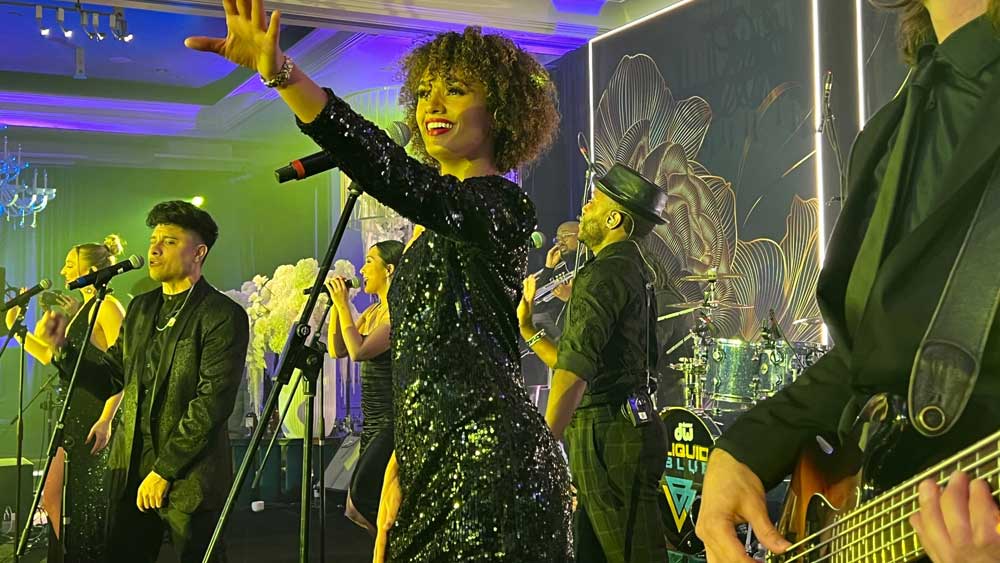
If you want to pack the dance floor with classic rock and Top 40 from the 70s to the 2020s, look to the powerhouse wedding bands. Metro Music Club is a case in point; they put on a show with the precision of a national touring act and have the vocal chops to back it up.
Metro Music Club: Top Wedding Band
Red Hot Revolution is another great band for explosive, danceable hits.

Red Hot Revolution: Top-Rated Reception Band
Party Echelon is adept at reading a multigenerational crowd with a blend of pop, hip-hop and rock.

Party Echelon: Premier Wedding Band
For a more refined tone during dinner or cocktails, jazz and cocktail bands are hard to beat.
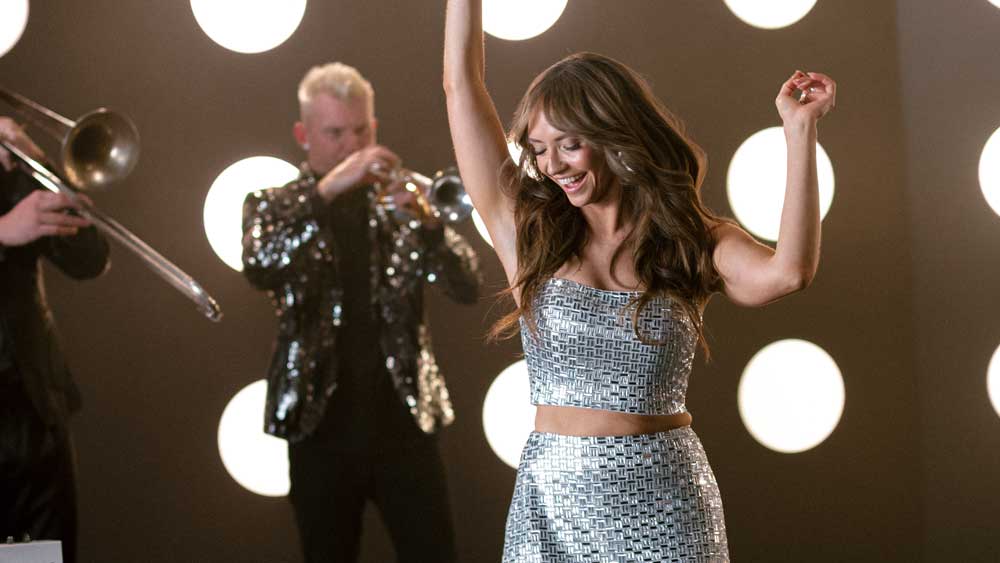
Music City Groove brings an upscale feel with everything from contemporary pop to country favorites.
Music City Groove: Professional Live Band
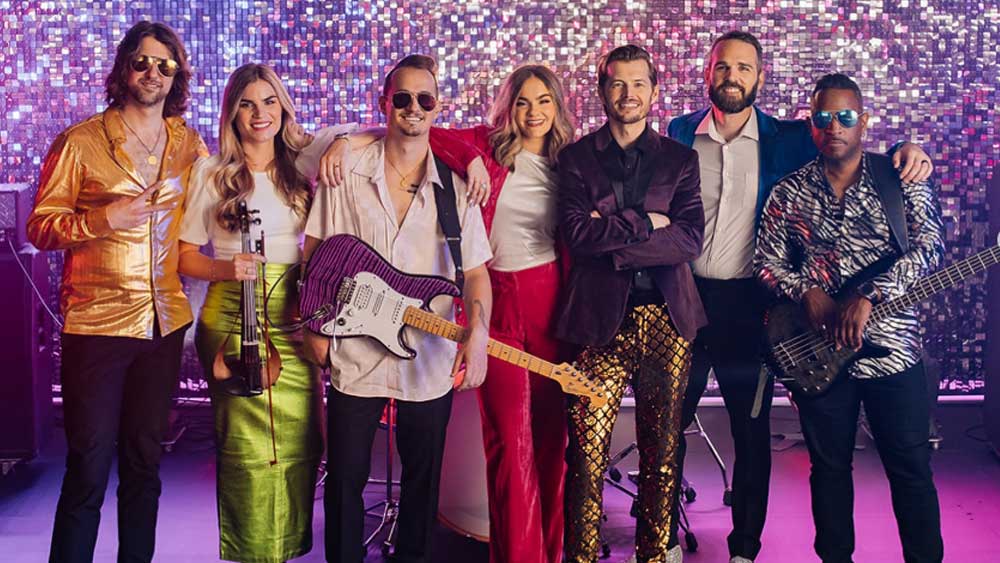
For a wedding reception that feels less like an event and more like a party, an eclectic live wedding band like Glitterati will throw in some funk and soul to keep things entertaining.

Glitterati: In-Demand Wedding Cover Band
Wedding Band or DJ: Making the Right Call for Your Reception
The decision to put a live band or a DJ in charge of your reception is not one to be taken lightly. In the end, it’s a matter of energy, flexibility and the sort of experience you wish to have.
There’s an energy to a live performance that a DJ simply can’t replicate. A band puts on a high energy, audience-interactive show; you see the musicians feeding off one another and there’s an authenticity to it that guests appreciate. It’s more than just the music, the visual of the performance is a big part of the draw.
On the other hand, a DJ has the advantage of flexibility. They can make an instant transition from one song to the next, handle any request in the moment and play virtually any song you can imagine. Additionally, they’re almost always more affordable and can work comfortably in a smaller room.
The technical requirements of a DJ and band are quite different as well. You’re looking at 1-2 hours of setup for a full band, plus a 60-minute sound check. A band will also need professional sound reinforcement and several electrical circuits. A DJ will need their table and be set up in half an hour with nothing more than a standard outlet.
For most wedding couples, it’s about what’s more valuable to you personally. If the venue allows it, and you’re looking for emotional impact and visual flair, the full live wedding band is the only way to go. But if you want to keep costs down and have total control over the setlist, a DJ is the best option.
Duration and Logistics with a Live Wedding Band
Most bands will perform between three and five hours for a reception, working in 45-60 minute blocks and taking 15-20 minute breaks in between. A three-hour performance is long enough for a smaller event of under 100 guests, while four hours is pretty much the norm for a standard reception with 100-200 in attendance. The five-hour booking is rare, but it’s perfect for larger celebrations and crowds where the dancing is expected to go on longer.
You’ll need to plan for the band’s space and power needs. A small four-piece band will want a stage that’s about 12-15 feet wide by 8-10 deep – a six-piece more like 15-20 feet. And be sure you don’t underestimate the power requirements; a band will usually need two to four 20-amp circuits. Professional bands will supply a technical rider with the power specifics.
What to Ask Before Putting a Pen to Paper
It’s wise to get answers to all of your questions and concerns before signing on the dotted line.
Start with the band’s setlist. What genres and styles do they play? Get a feel for their song list and ask point blank about the songs you must have them play – do they know them or will they need to put in the time to learn them? Keep in mind that when wedding couples try to micromanage the band’s setlist, what usually happens is a lack of energy on the dance floor and engagement of guests. Give experienced live wedding bands lots of room to do what they do best and don’t try to change what they know works.
Don’t skip over the rider or coordinating with the venue. Send the band’s technical rider to your venue coordinator right away and find out how the band communicates with the venue’s tech staff. Will they be there for an early sound check? What happens if the venue’s sound system goes down? All good, professional bands will have contingency plans with spare mics and cables in case there’s a problem.
Finally, read the contract terms carefully. Most bands require a 50% deposit to hold the date and the balance is due at least a couple of weeks before the event. Make sure the band has liability insurance in place. You also want to make sure they’ll be dressed appropriately for a formal celebration and work well with your other vendors?
Ultimately, the type of wedding band you book will be determined by your personal taste as well as creating the atmosphere you want for your guests. There’s a big difference between a wedding reception that feels like formality and one that’s an unforgettable celebration; the right live band will make all the difference. When you want to book live bands for weddings, look for bands that offer the kind of technical skill, vocals, and musicality you would expect from a top-tier band, but with energy and enthusiasm that comes from performing in front of a live audience.
At Green Light Bands we make it our business to offer couples world-class talent from a variety of genres. We invite you to call us so we can talk through your vision and make sure the band you choose is a natural fit for your reception. Booking one of the best live wedding bands in America is what we want for you.
Frequently Asked Questions
What is it about some wedding bands that gives them such high energy?
It’s the combination of a varied and solid setlist as well as the experience to read the room and change the setlist as needed to keep the energy in the room high. The best live wedding bands have musicians who will engage with your guests and keep the momentum going on the dance floor by playing to their age and tastes. You’ll find they have a confident stage presence and production values that leave an impression no pre-recorded playlist could hope to achieve.
How far in advance do I need to book a wedding band?
Most wedding couples hire their live band 9 to 12 months out, with the more in-demand acts being taken even sooner. Booking early ensures you have first pick and leaves plenty of time to work out the details of the contract or plan the setlist with the band leader and your event planner. It also affords a certain peace of mind. However, many weddings are not planned nine months or more in advance, so if you’re planning a wedding sooner than that, don’t hesitate to reach out to us as some bands may still have openings.
Why would hiring a band be any different than a DJ since they both provide music?
A live band brings energy to performances that’s hard to put into words; they’re in the moment with your guests. While a DJ has the advantage of taking up less space and offering a wider range of song selections, there’s something about the visual and emotional impact of watching a party band that excites crowds. Lots of couples hire the band to provide the main music entertainment, but bring in a wedding DJ for the late hours.
Are there limits as to how long a band will play?
Typically you can expect 4 hours of performance at a reception, sometimes 5 hours, whatever is in your contract. Most bands will not play for 4 or 5 hours without a break, so each set will run about 45 to 60 minutes with 15 minute intermissions so the musicians can get a drink of water and recharge. Some of our clients book a live band for a wedding ceremony and dinner before handing the reins over to a DJ for dancing. It’s best to go over the schedule and any venue logistics with the band leader whenever you book live bands for weddings.
What should I be asking before I actually sign the band’s contract?
Make sure to include their expected song list, whether or not they can learn custom songs, and if so, how much extra it will cost for learning new songs. Make sure you know what’s needed in terms of power and stage dimensions, and if they allow song requests or ‘do not play’ lists. You’ll want to know if they supply an MC for your announcements and what there practice is when a member falls ill and can’t perform. Also check on their liability coverage and confirm the finer points of the agreement, from the deposit amount and when it’s due, to any potential overtime or travel charges.